Signage Company in New York
Commercial signs for offices, stores, restaurants, hotels and multi-tenant buildings. We make storefront and exterior signs, lobby and reception signs, wayfinding, acrylic signs and lettering. We design them with you, fabricate them in our New York shop and install them with our own team. One sign or a rollout across every location.
Tell us the address before the design. In New York, the building and the block decide more about a sign than most people expect.
A sign is a small building project
Most sign projects start with the logo. That is reasonable, and it is also the part least likely to cause a problem.
The problems come from everything around the logo. For example:
- A projecting sign turns out to be deeper than the zoning district allows.
- An illuminated fascia sign has no power anywhere near it.
- Reception letters are specified for a wall that turns out to be drywall on metal studs with nothing behind it to take the fixings.
- The landlord’s sign criteria arrive after fabrication has started.
- A storefront in a historic district needs an approval nobody applied for.
None of that is about the artwork. It is about the building, the city and the order in which things get done. That is why we ask where a sign is going before we ask what it should look like. It is also why design, fabrication and installation stay with one team instead of passing between three companies.
Sign manufacturer or sign broker
Plenty of businesses that sell signs do not make them. That model works for some jobs. It does change who you are talking to when a detail needs to change.
| Aspect | Sign broker | Sign manufacturer |
|---|---|---|
| What they do | Takes the order, handles or passes on the artwork, and subcontracts fabrication and often installation. | Designs, fabricates and installs, with the drawings, the shop and the crew in one place. |
| When a detail changes | The change goes back through the chain. | The change is a conversation with the people making it. |
| Who installs | Usually a third party. | The team that built the sign. |
| Suits | Standard items with no site complexity. | Anything custom, lit, fixed to a building or repeated across locations. |
We are a signage manufacturer. The drawings, the fabrication and the installation are ours. So a question about a fixing or a finish gets answered by someone who has seen the part.
What we make
Our NYC signage services cover the full range of commercial signs, from a single suite plaque to a building’s complete sign program. Some product types have their own page with more detail.
| Type | Examples | Usually for |
|---|---|---|
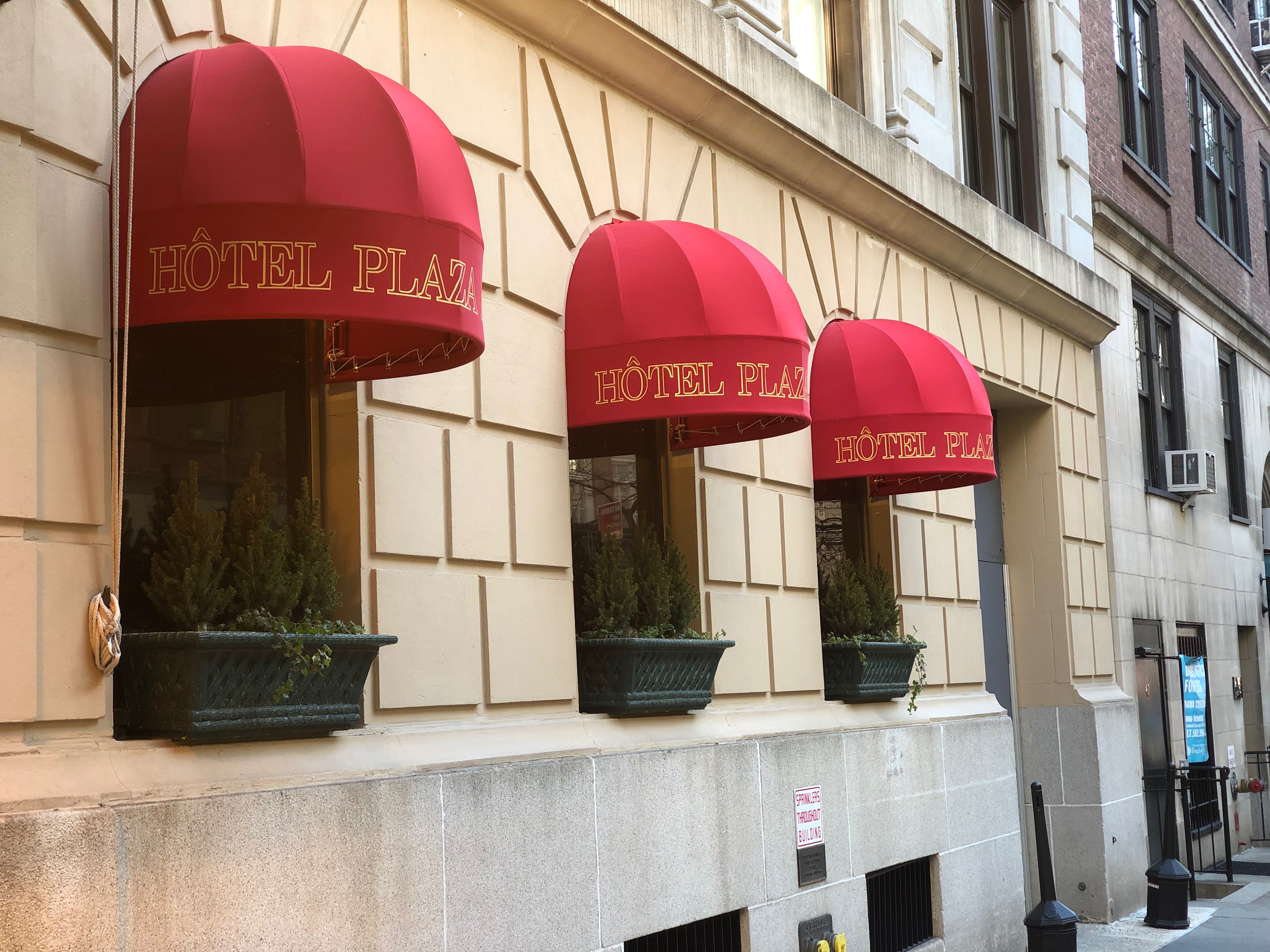
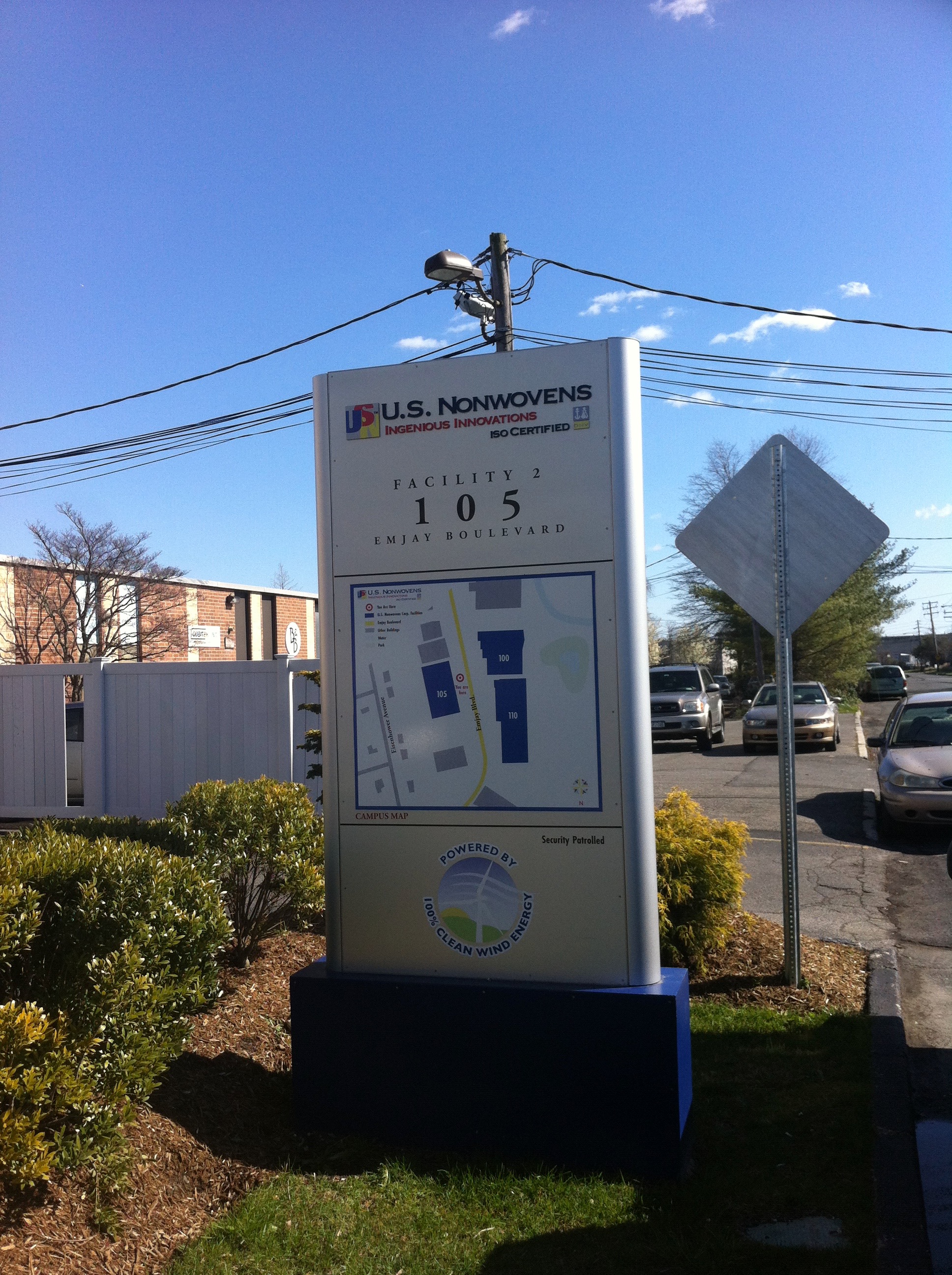
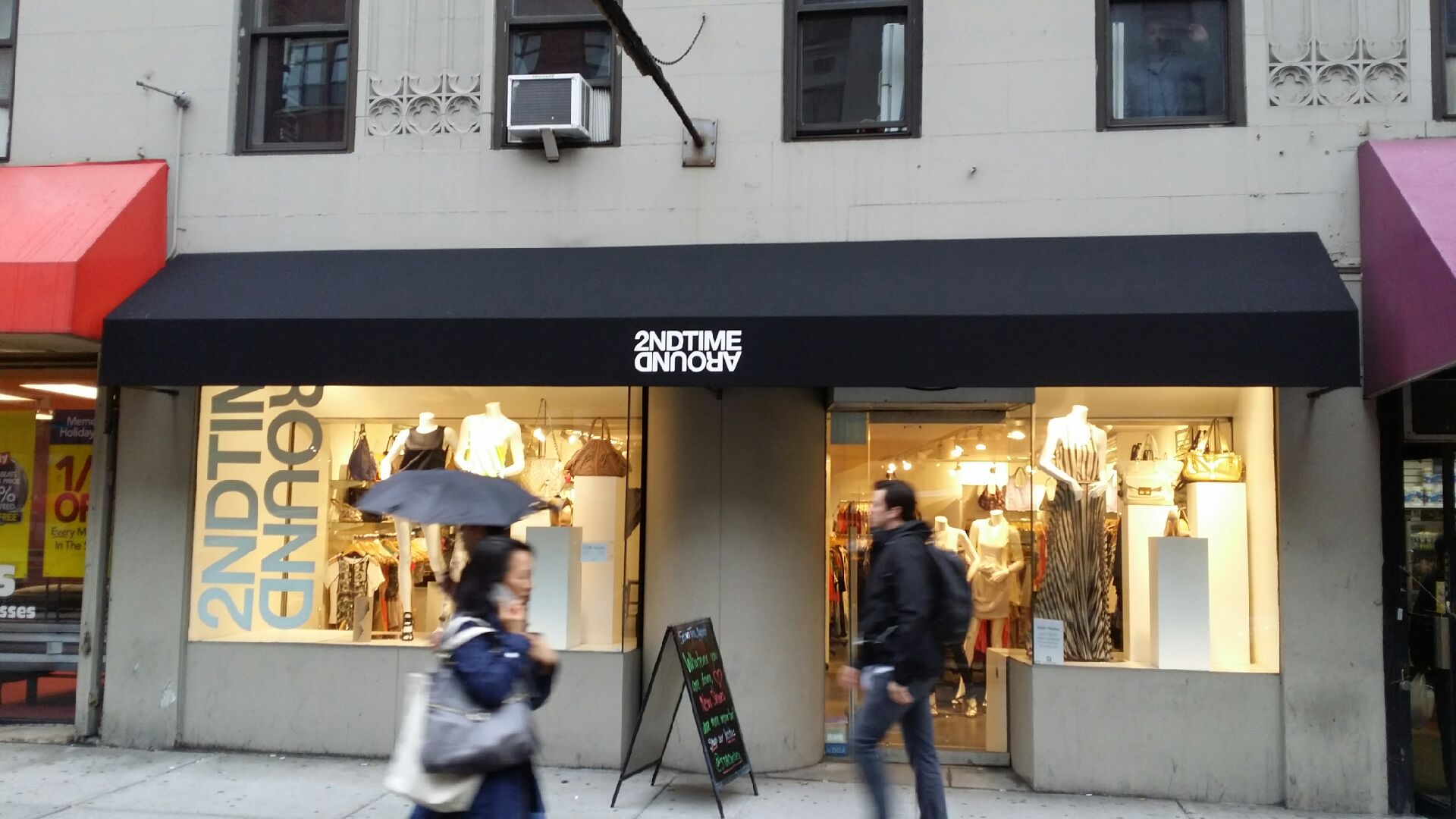
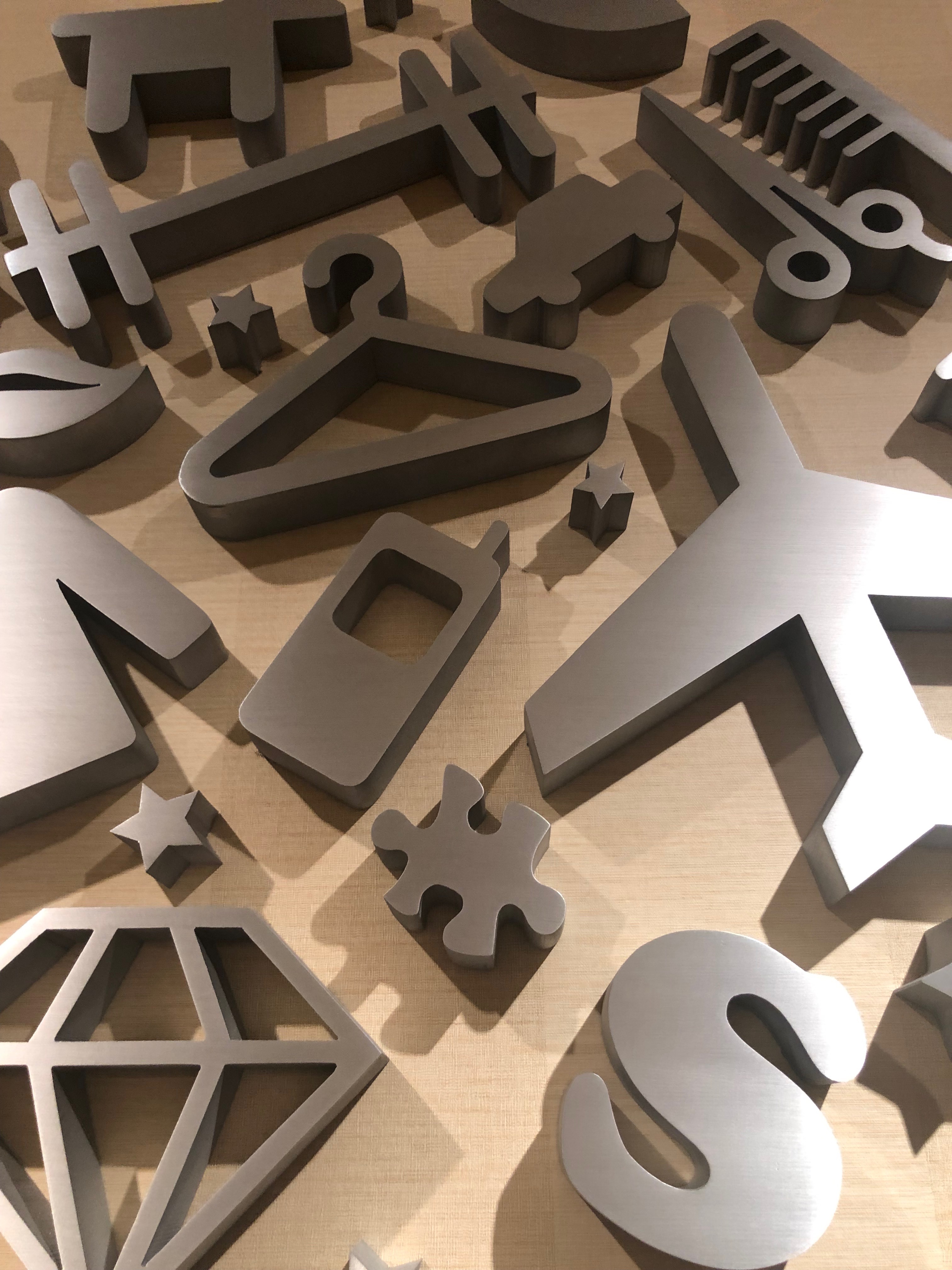
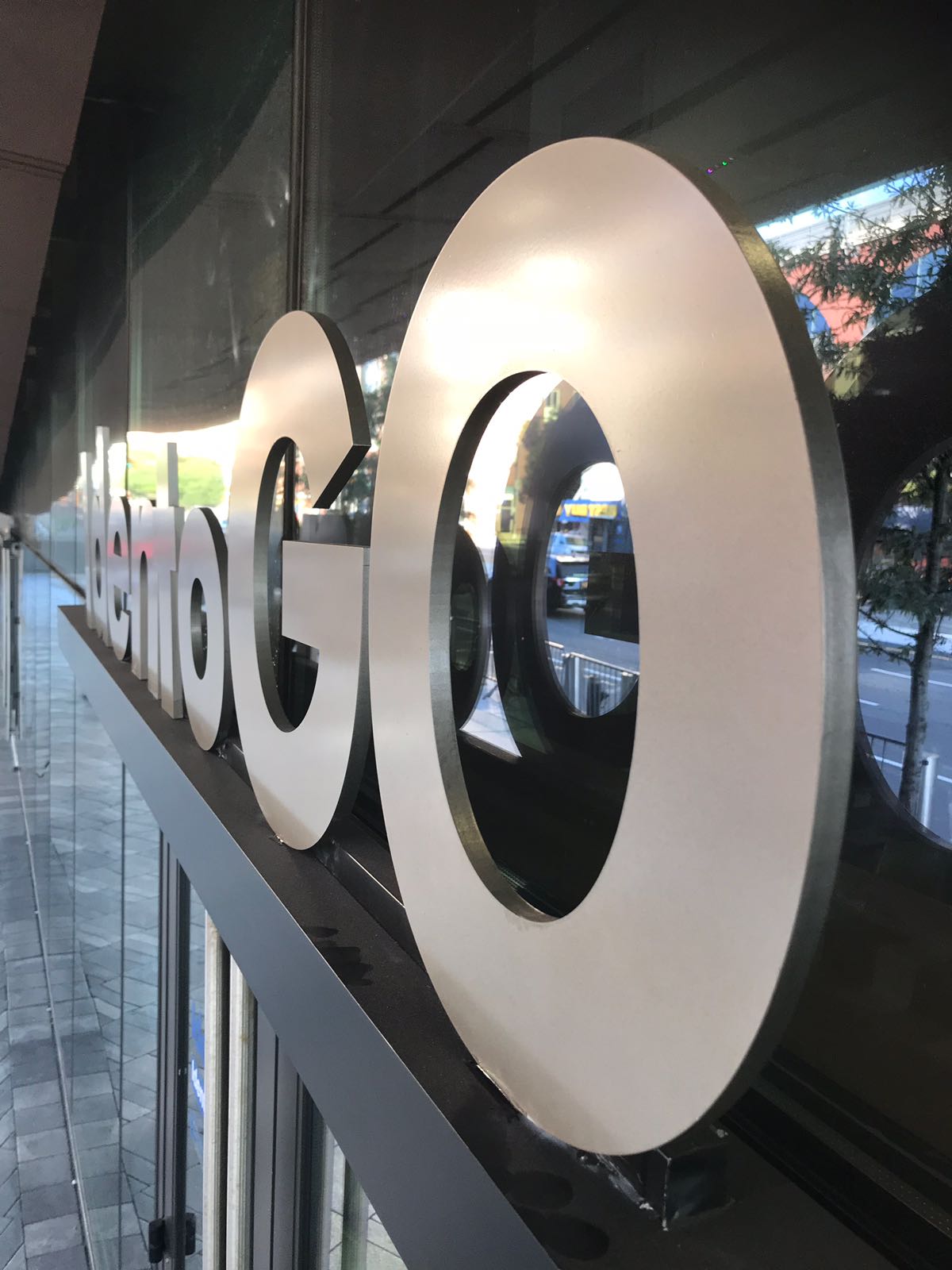
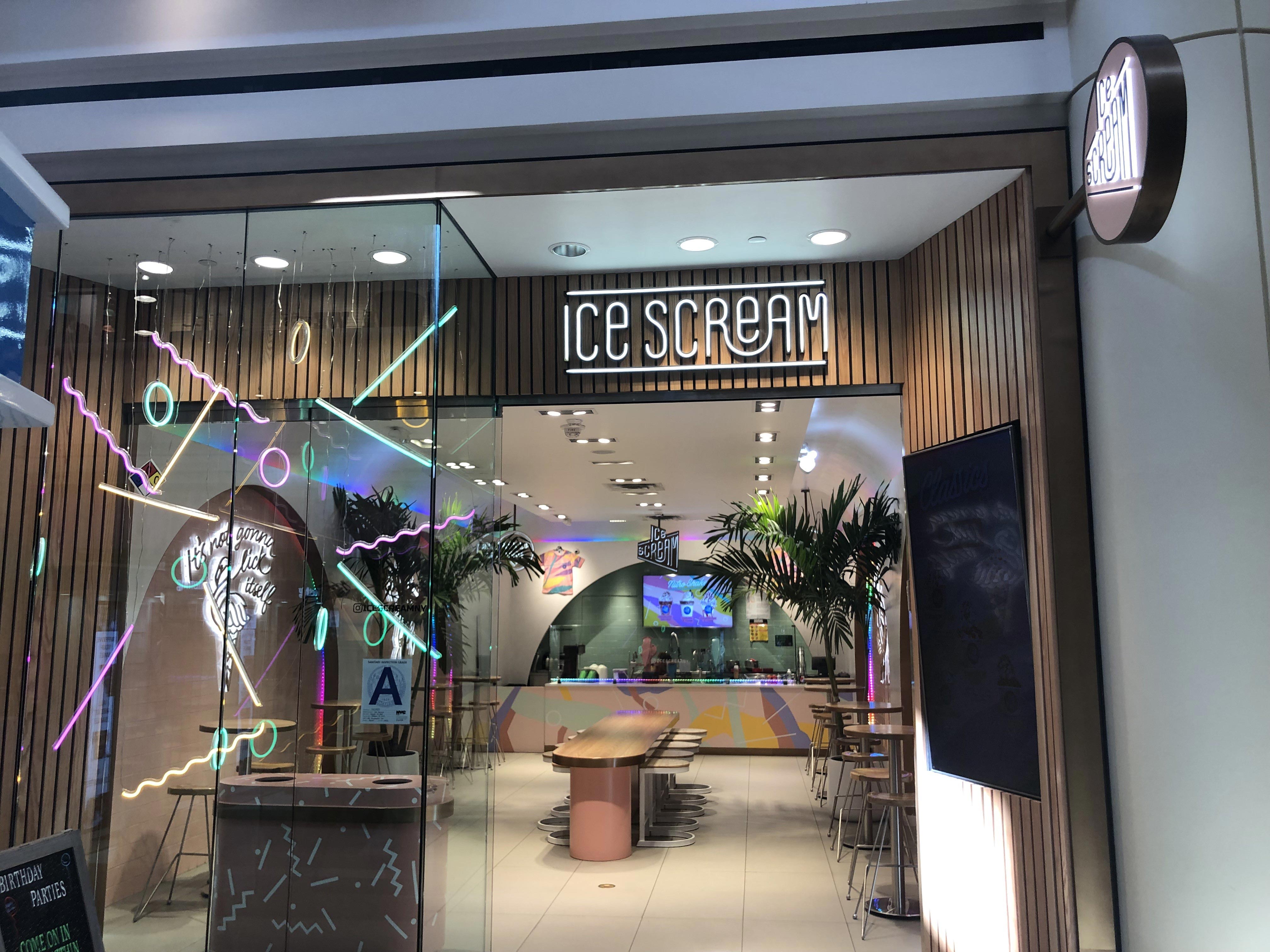
| Storefront and exterior signs | Dimensional and illuminated letters, fascia sign panels, blade and projecting signs | Retail, restaurants and ground-floor businesses that need to be found from the street. |
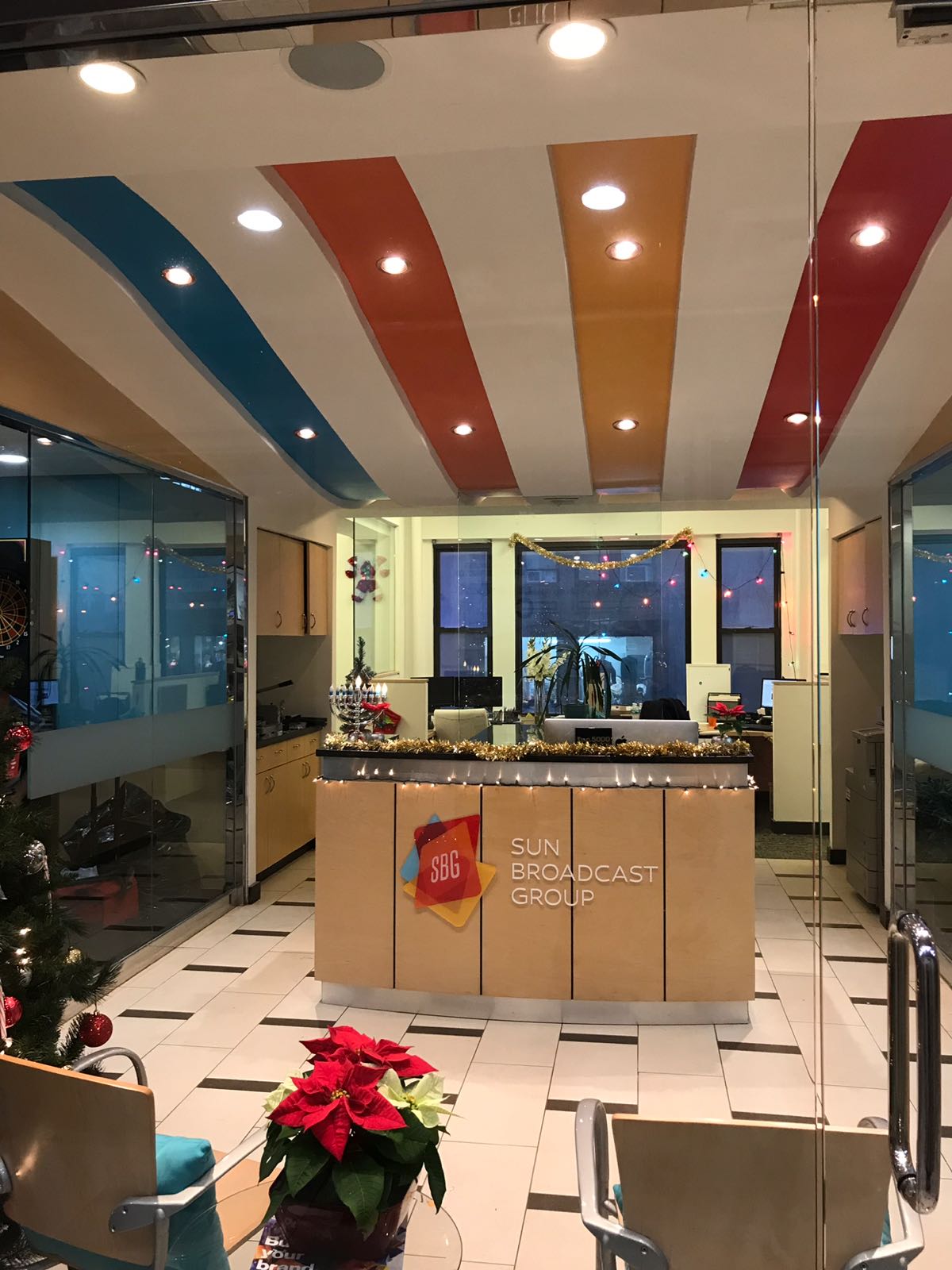
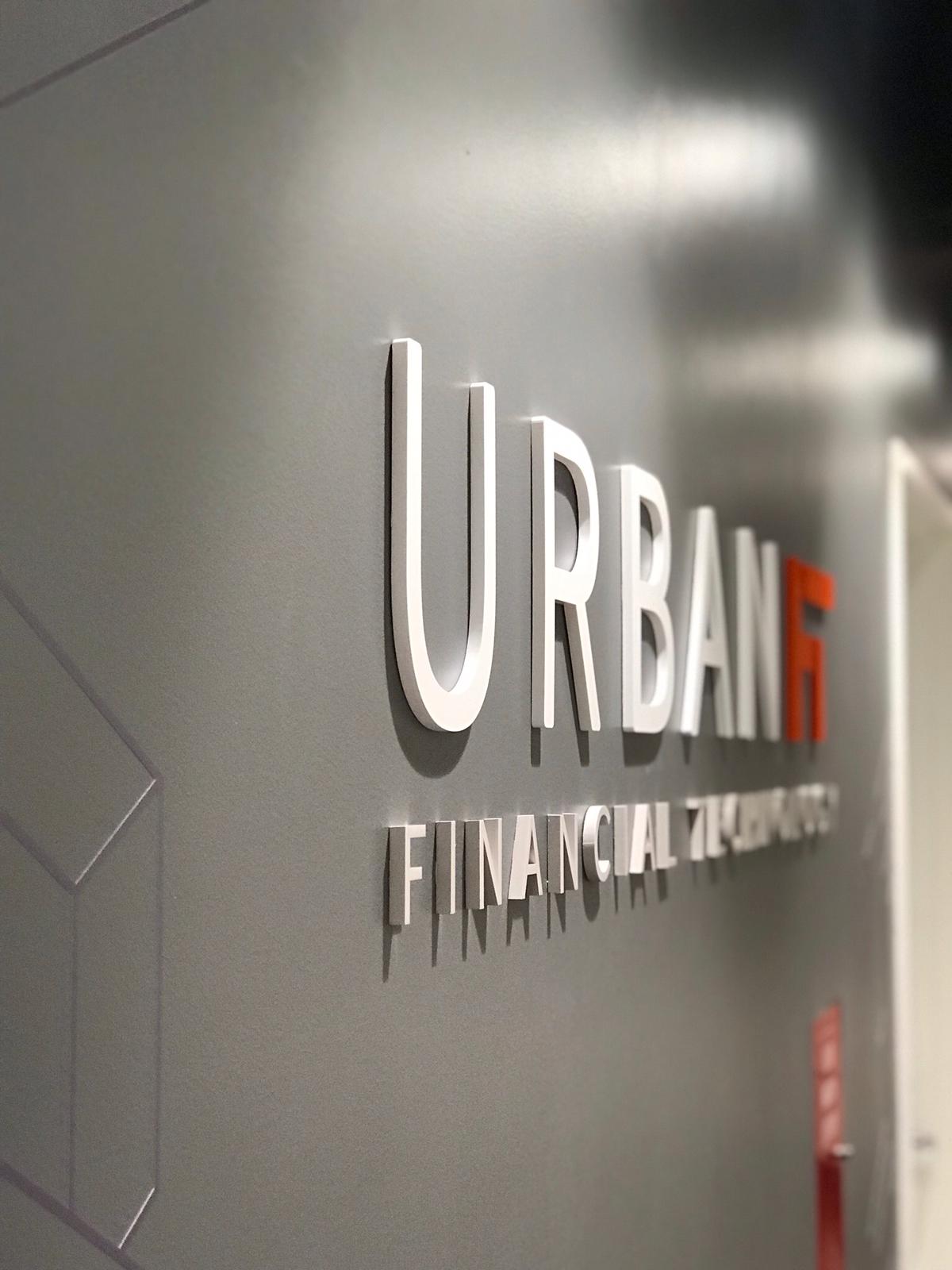
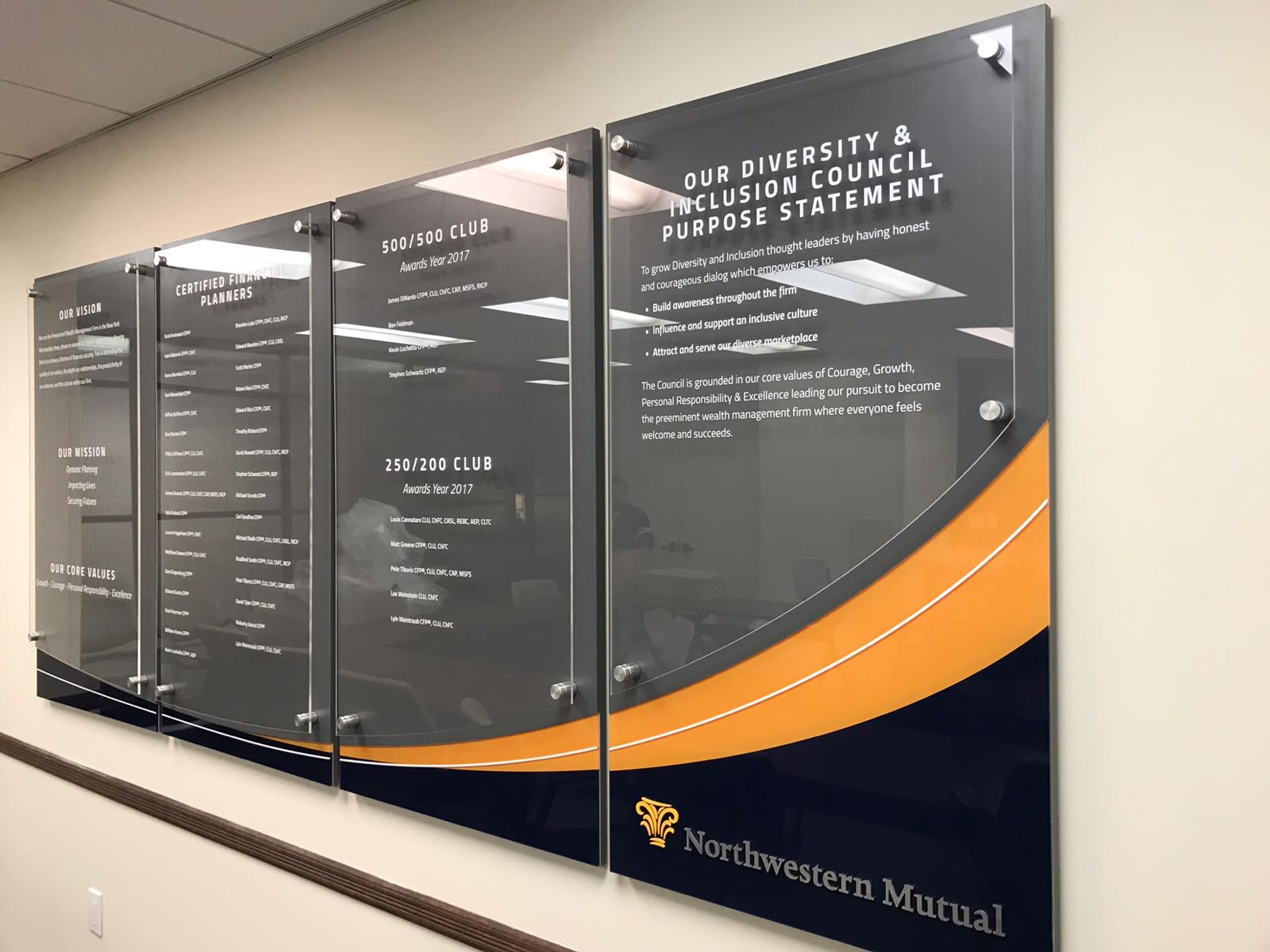
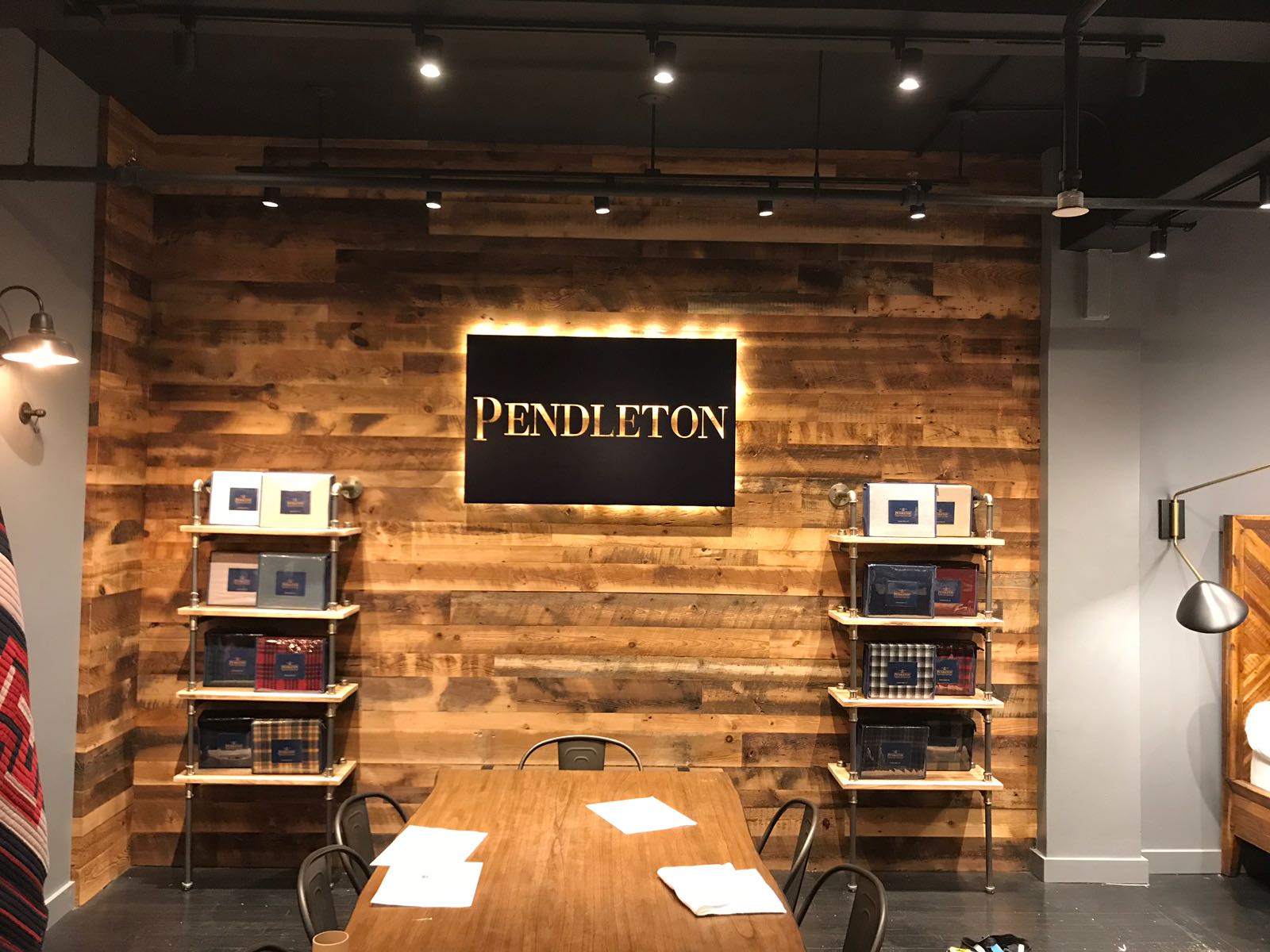
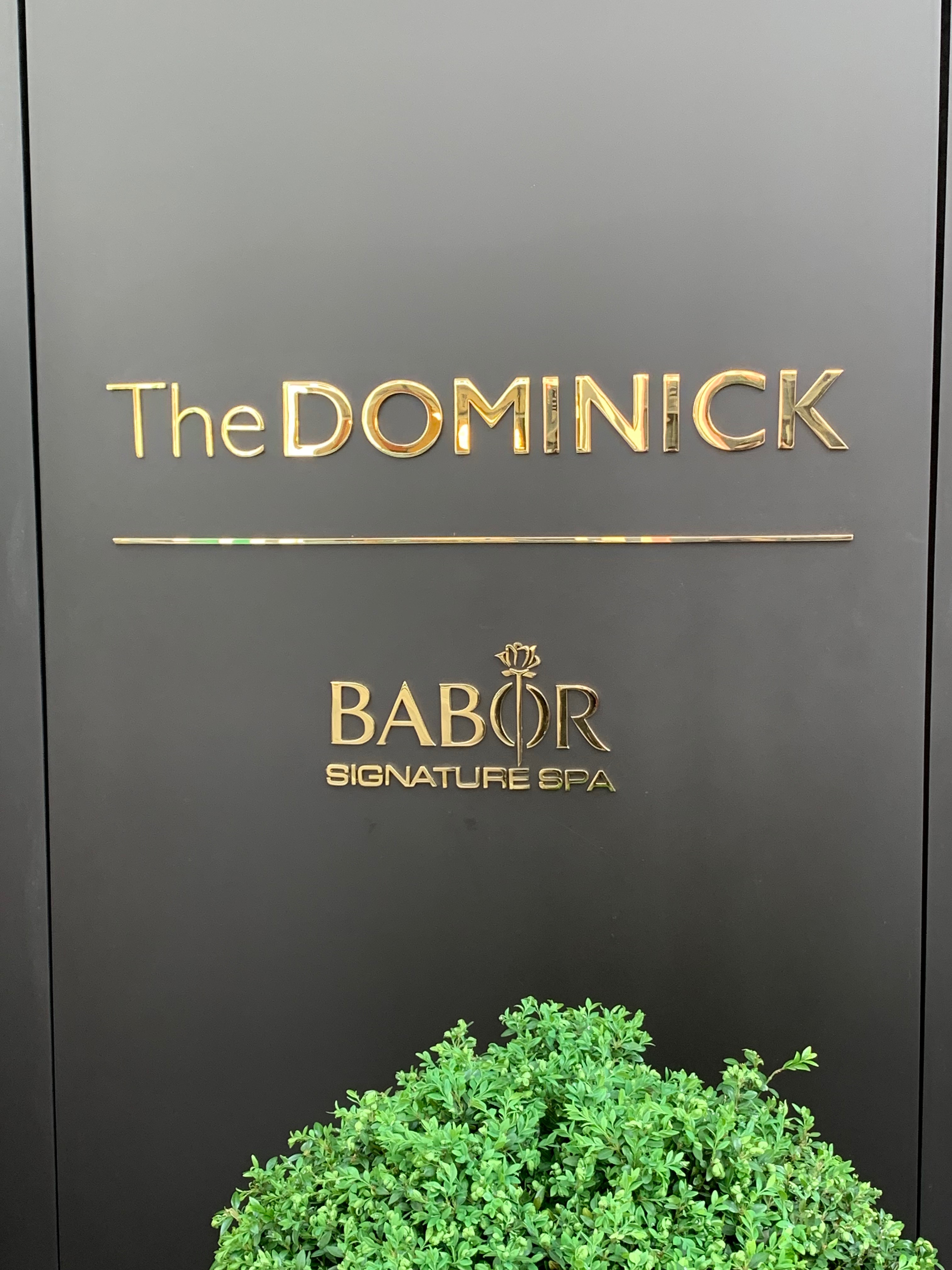
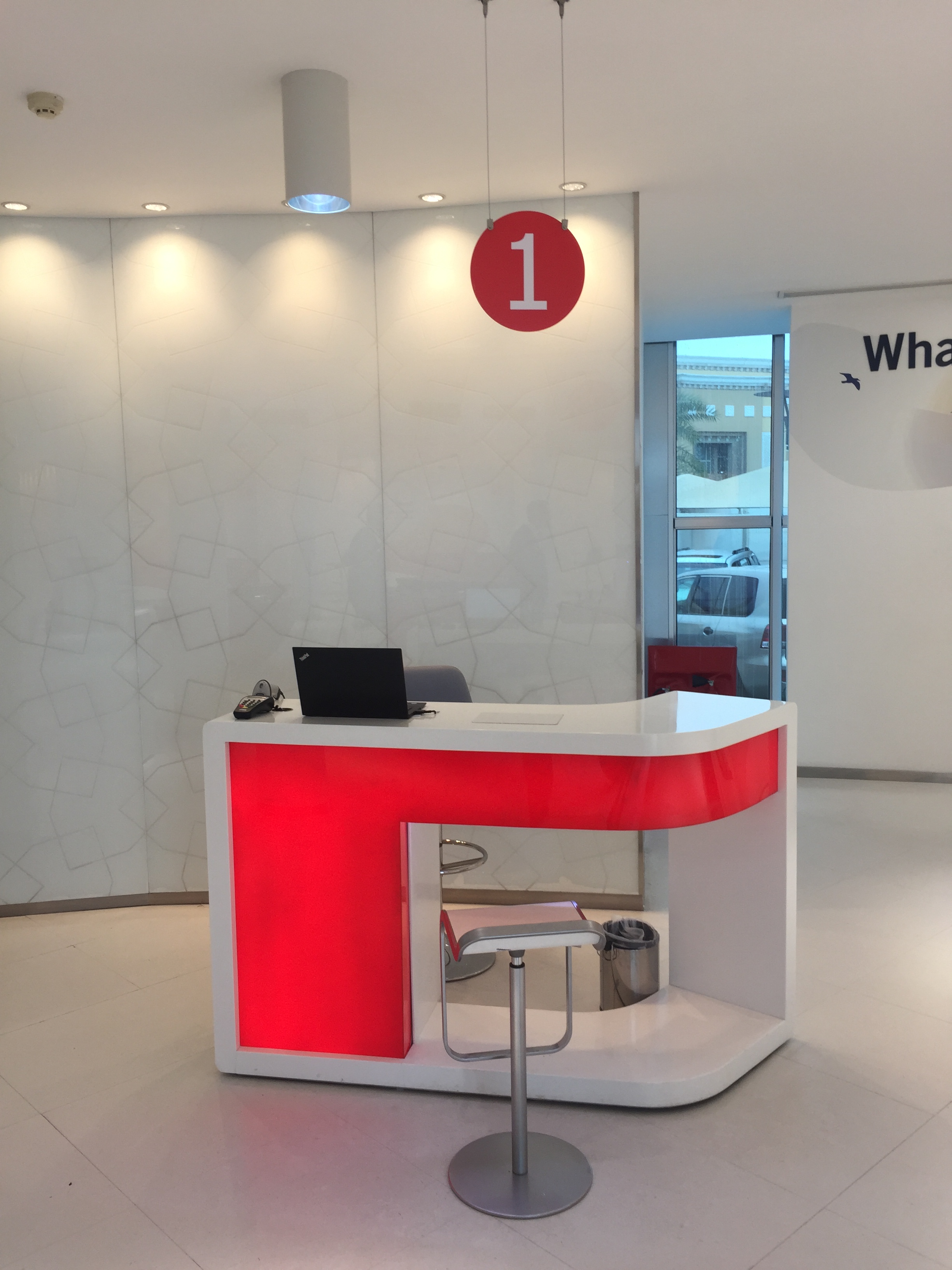
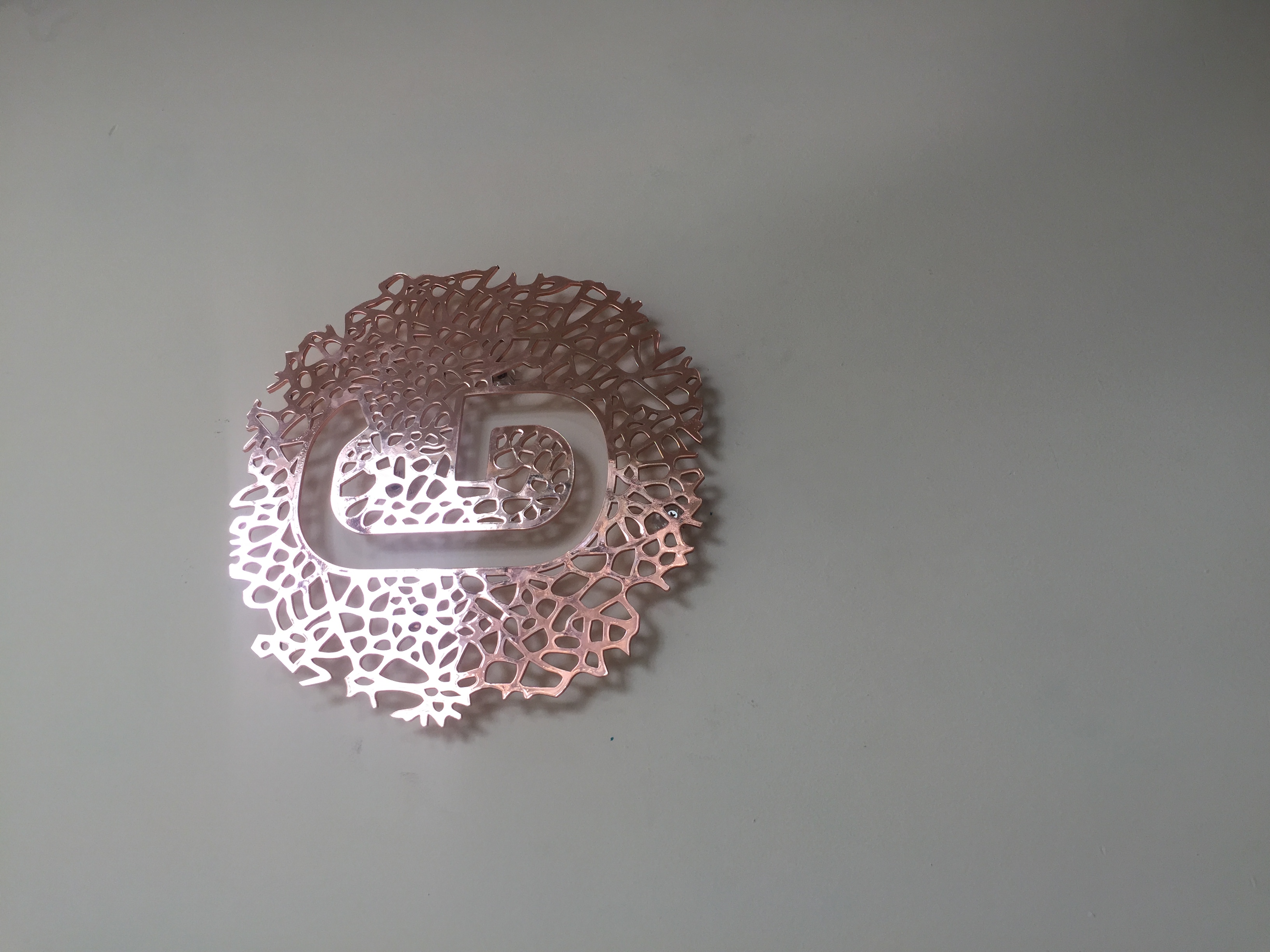
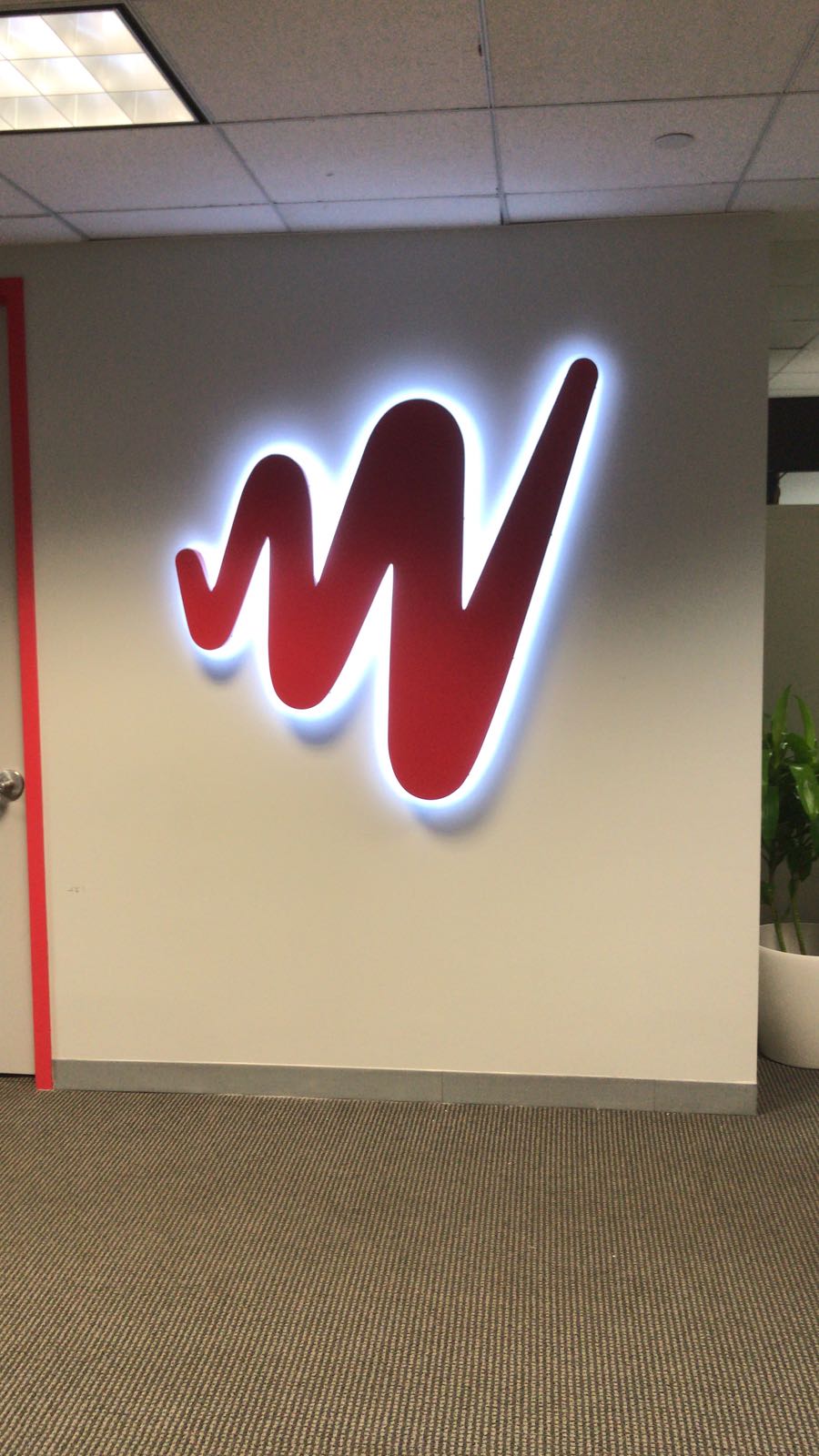
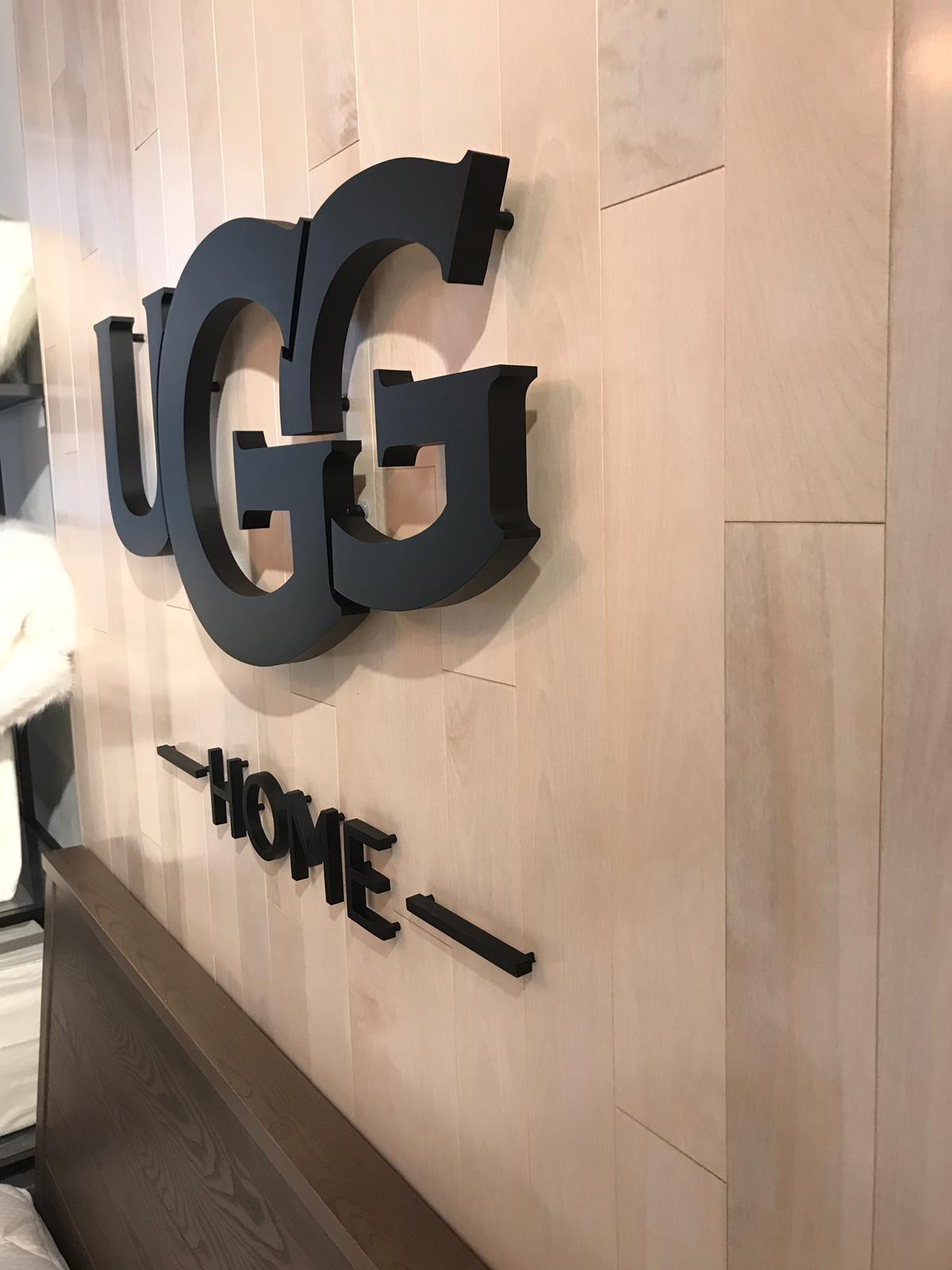
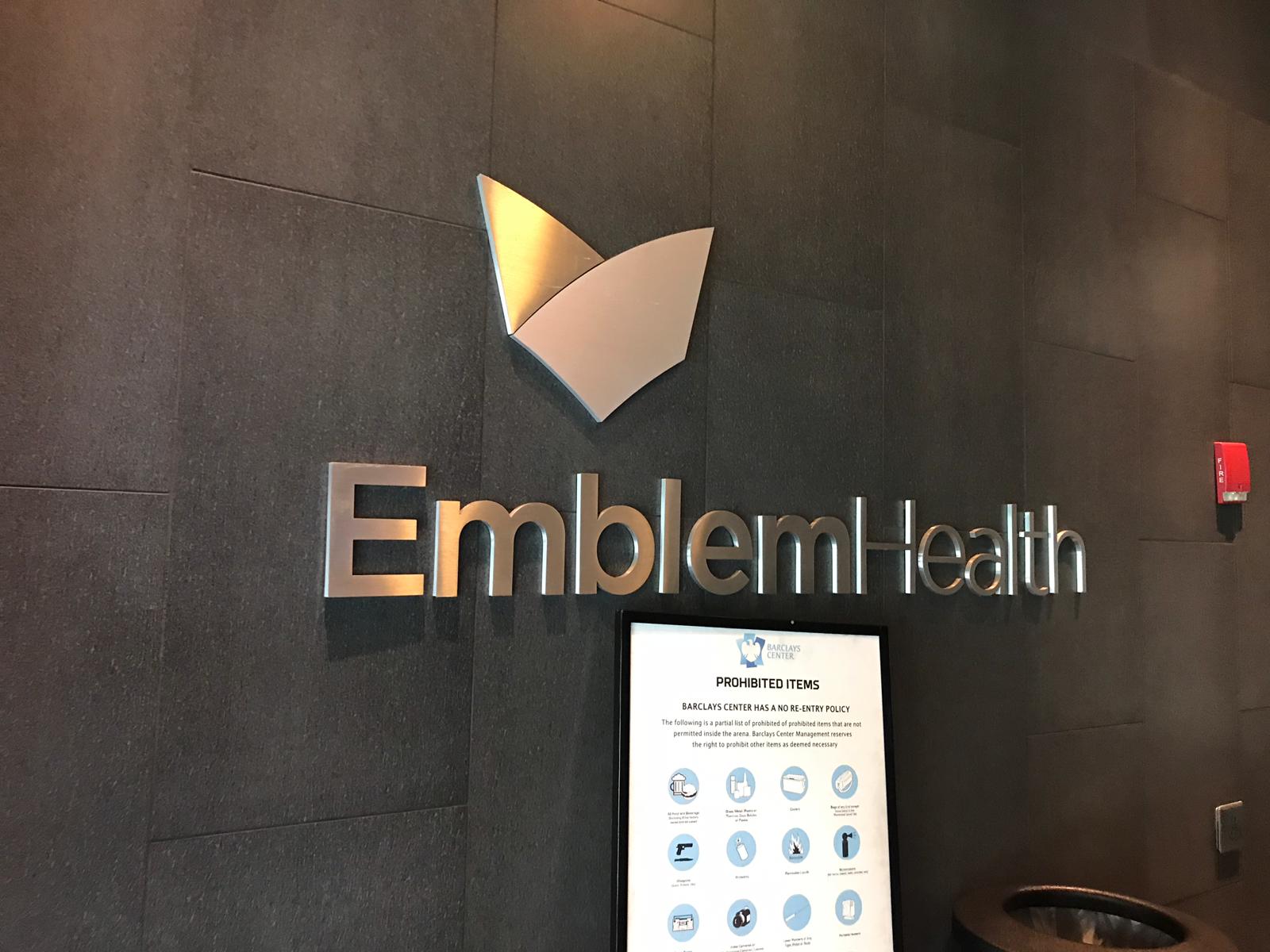
| Lobby and reception signs | Logo walls, dimensional letters, backlit and halo-lit logos, tenant directories | Corporate offices, building lobbies, hotel front desks. |
| Acrylic signs | Panels and plaques mounted on standoffs | Covered on our acrylic signs page. |
| Acrylic letters | Individual letters and logos with no background panel | Covered on our acrylic letters page. |
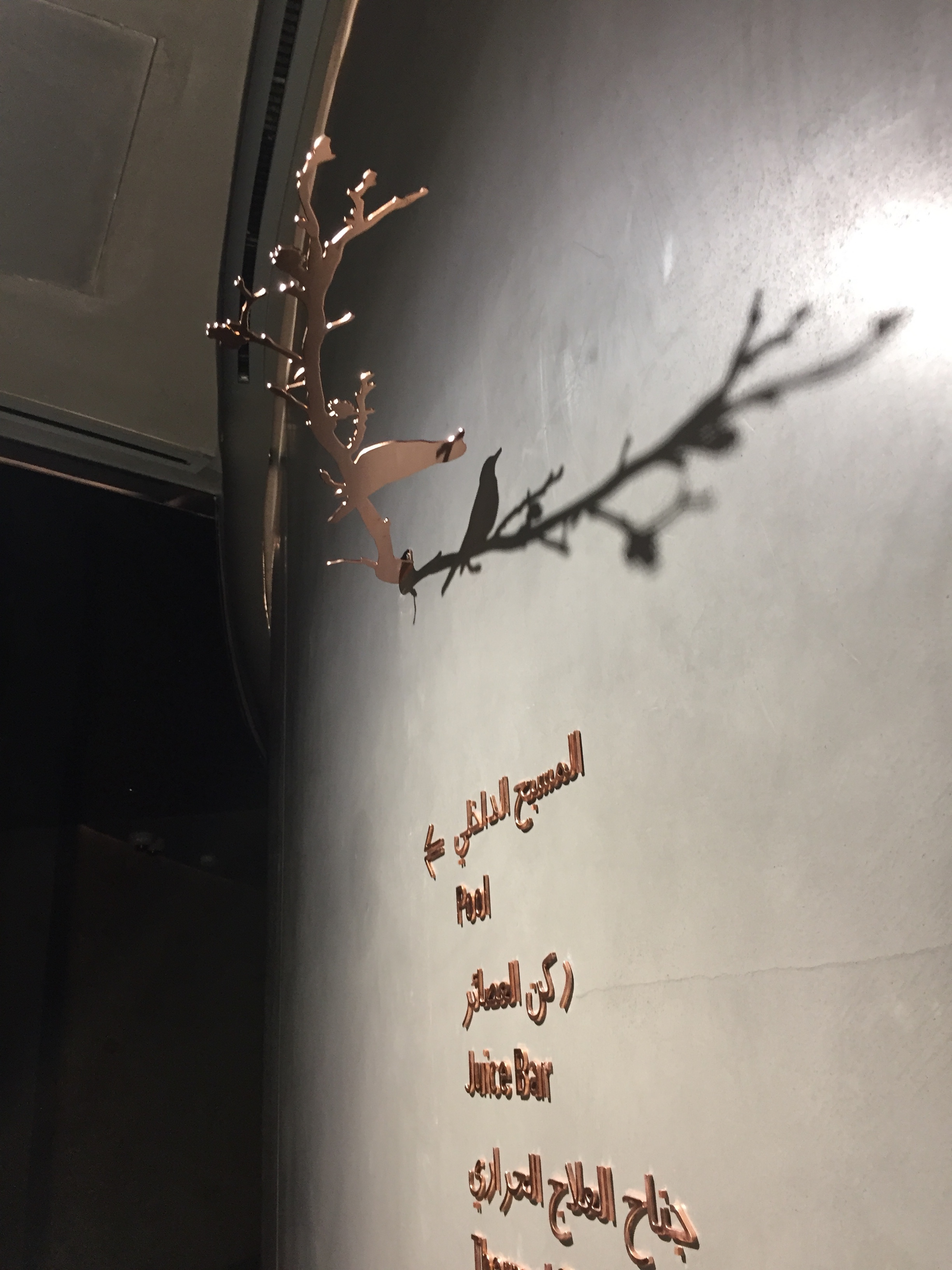
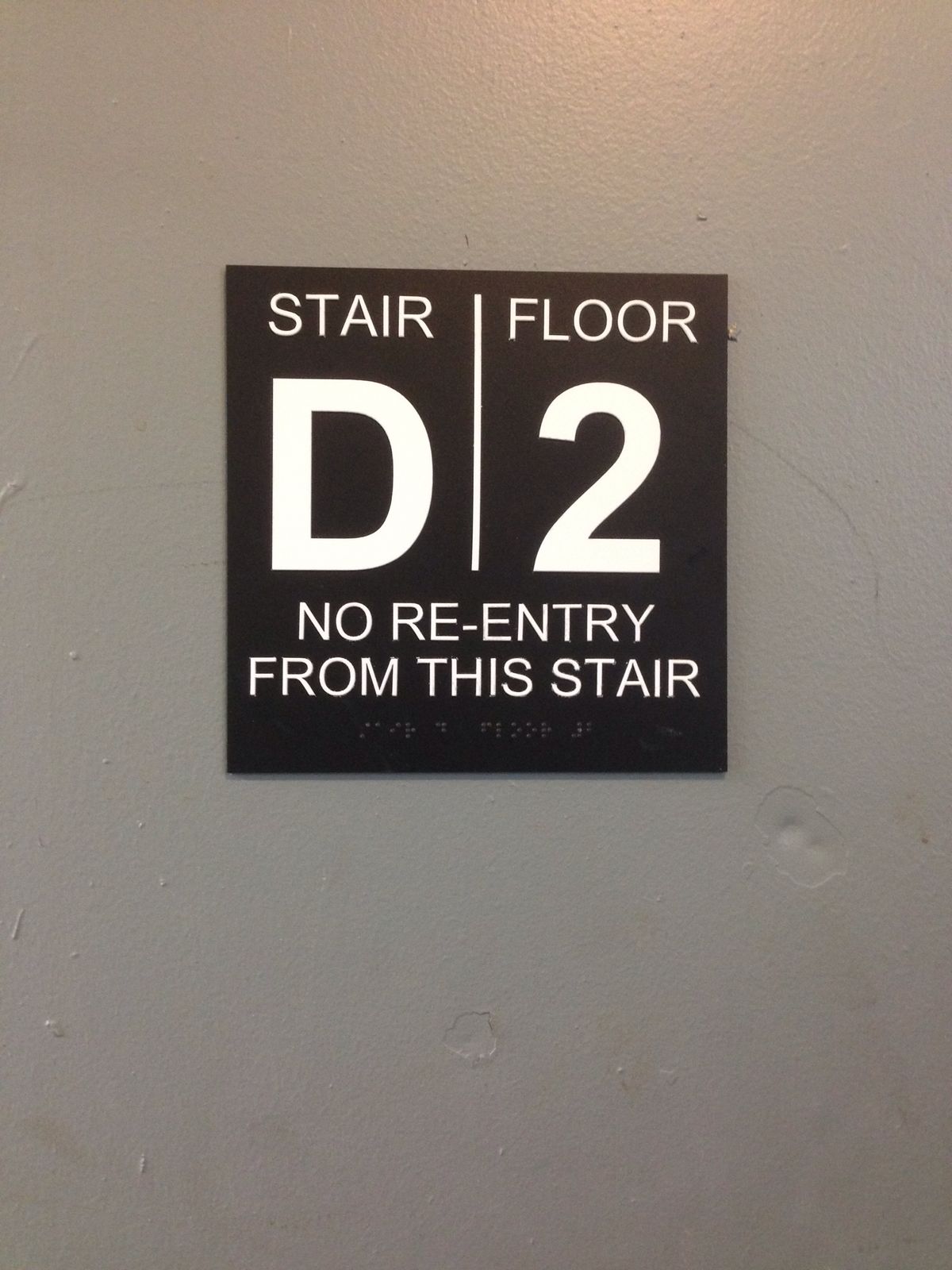
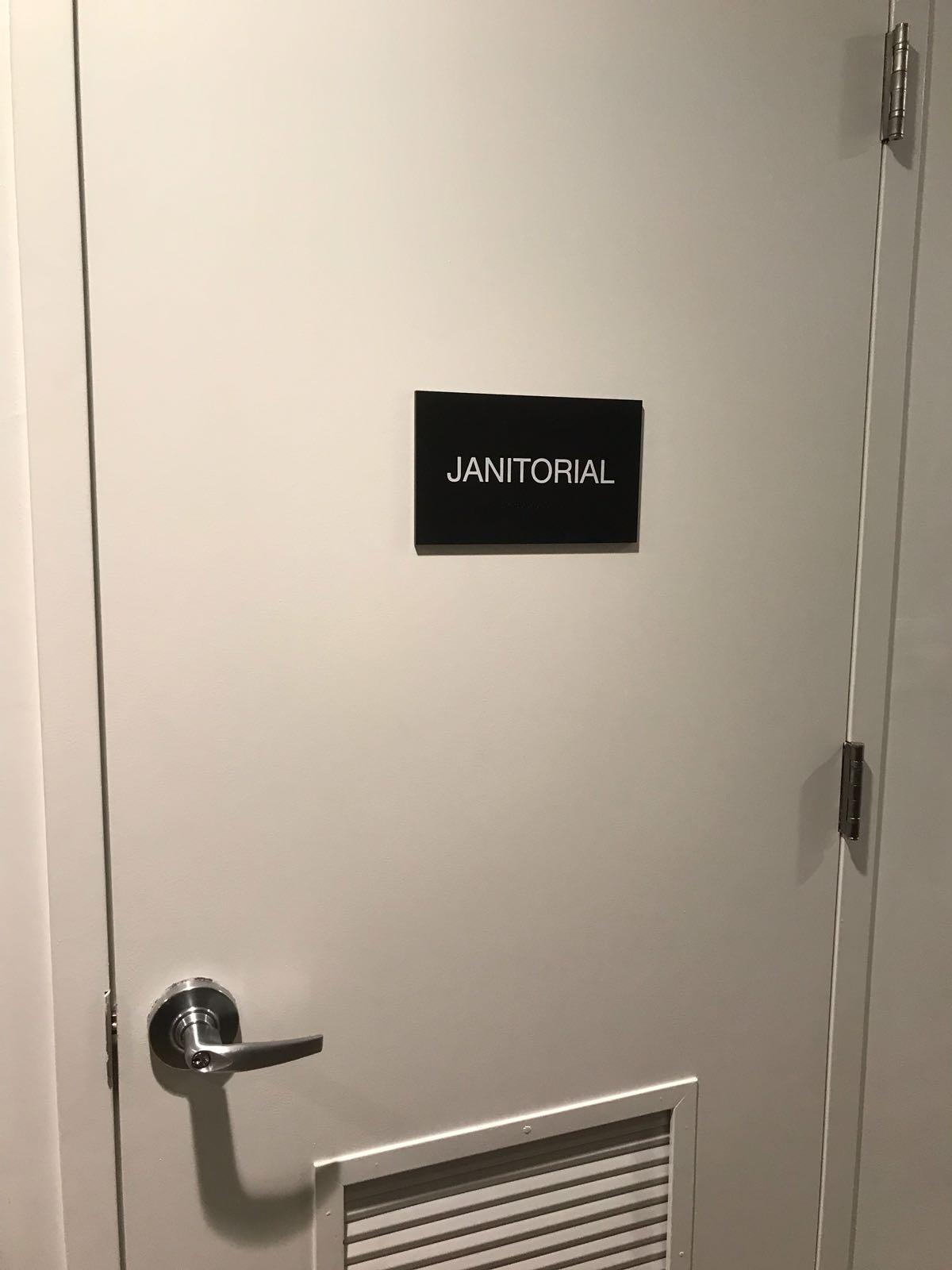
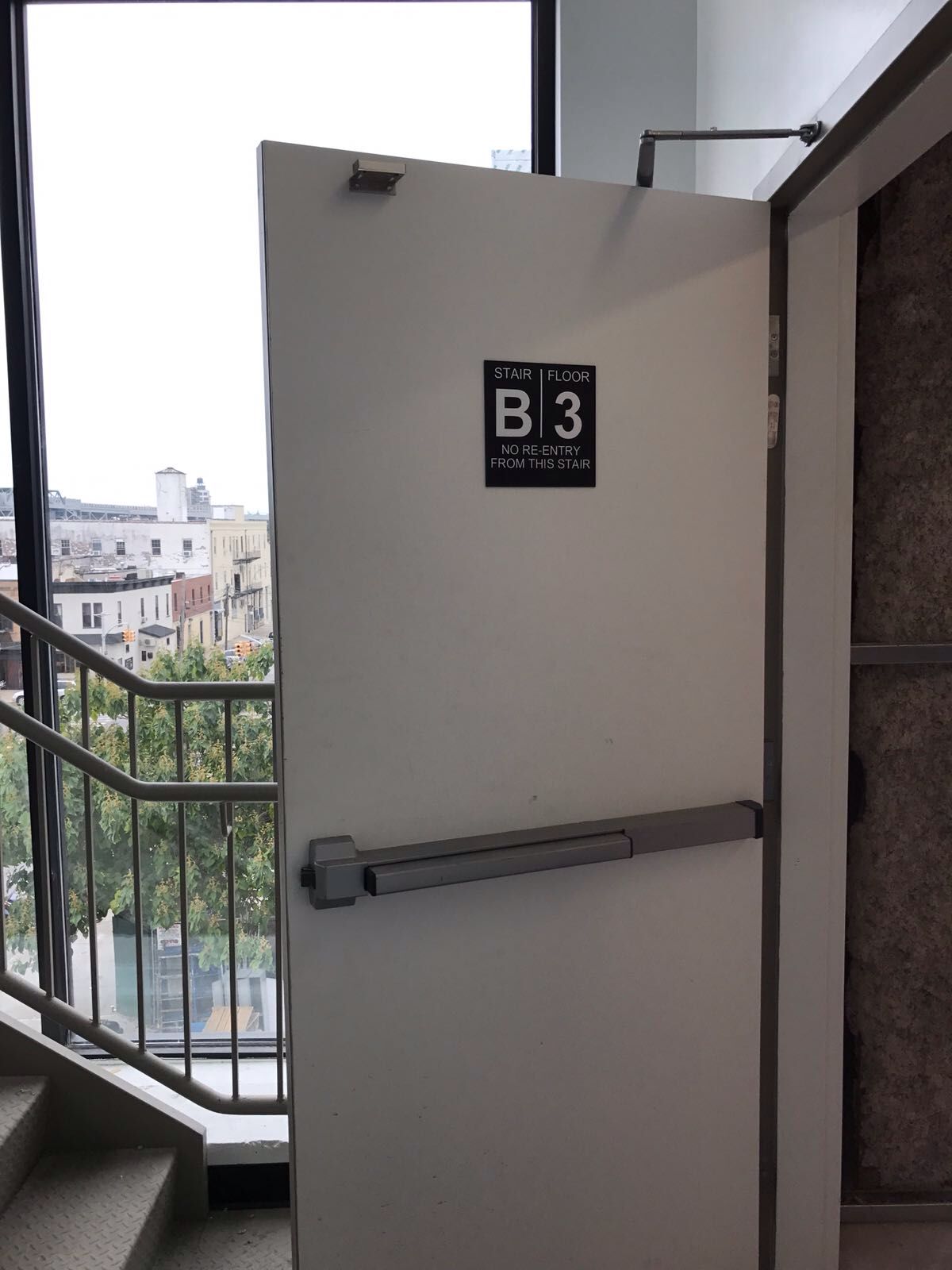
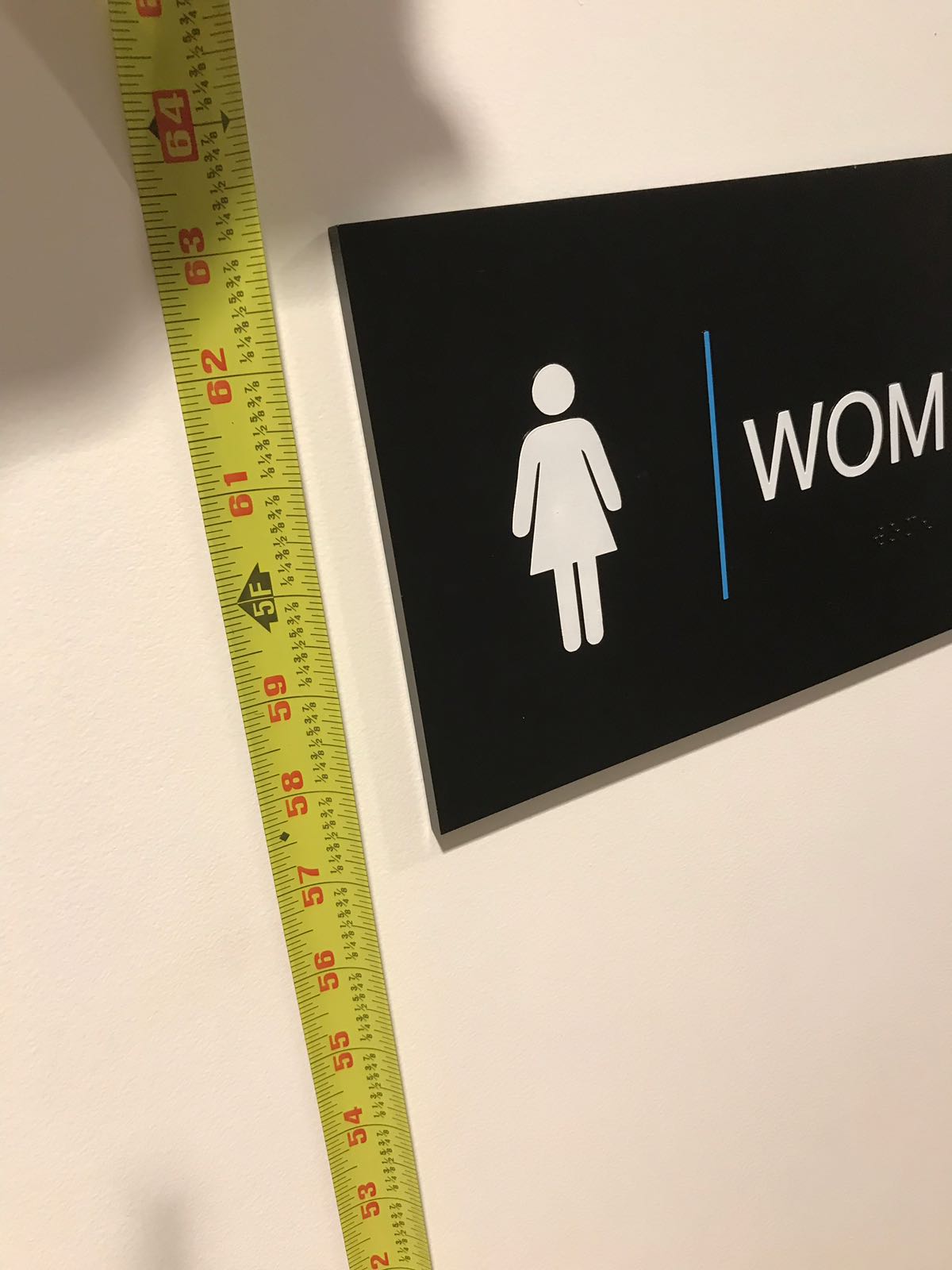
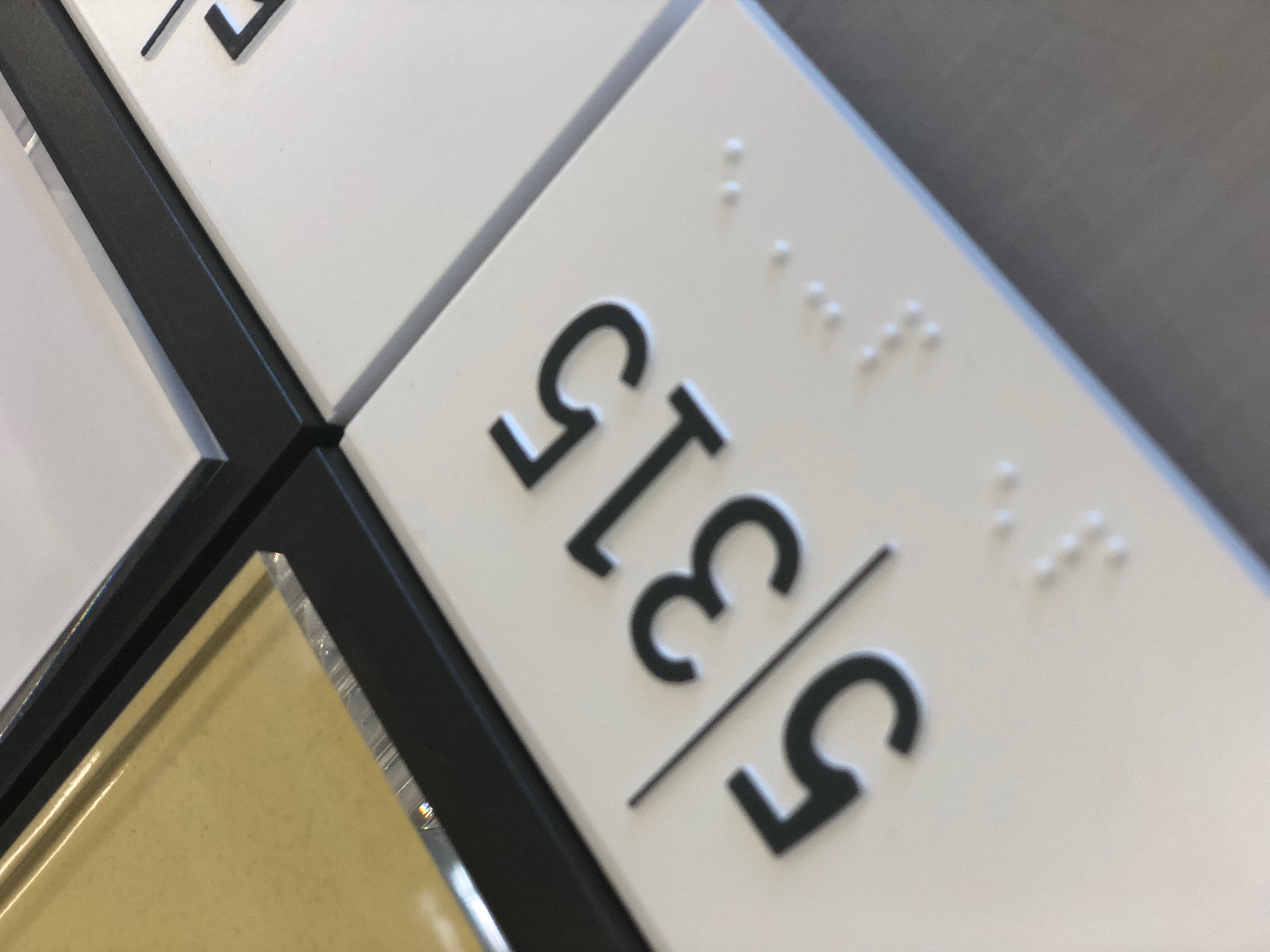
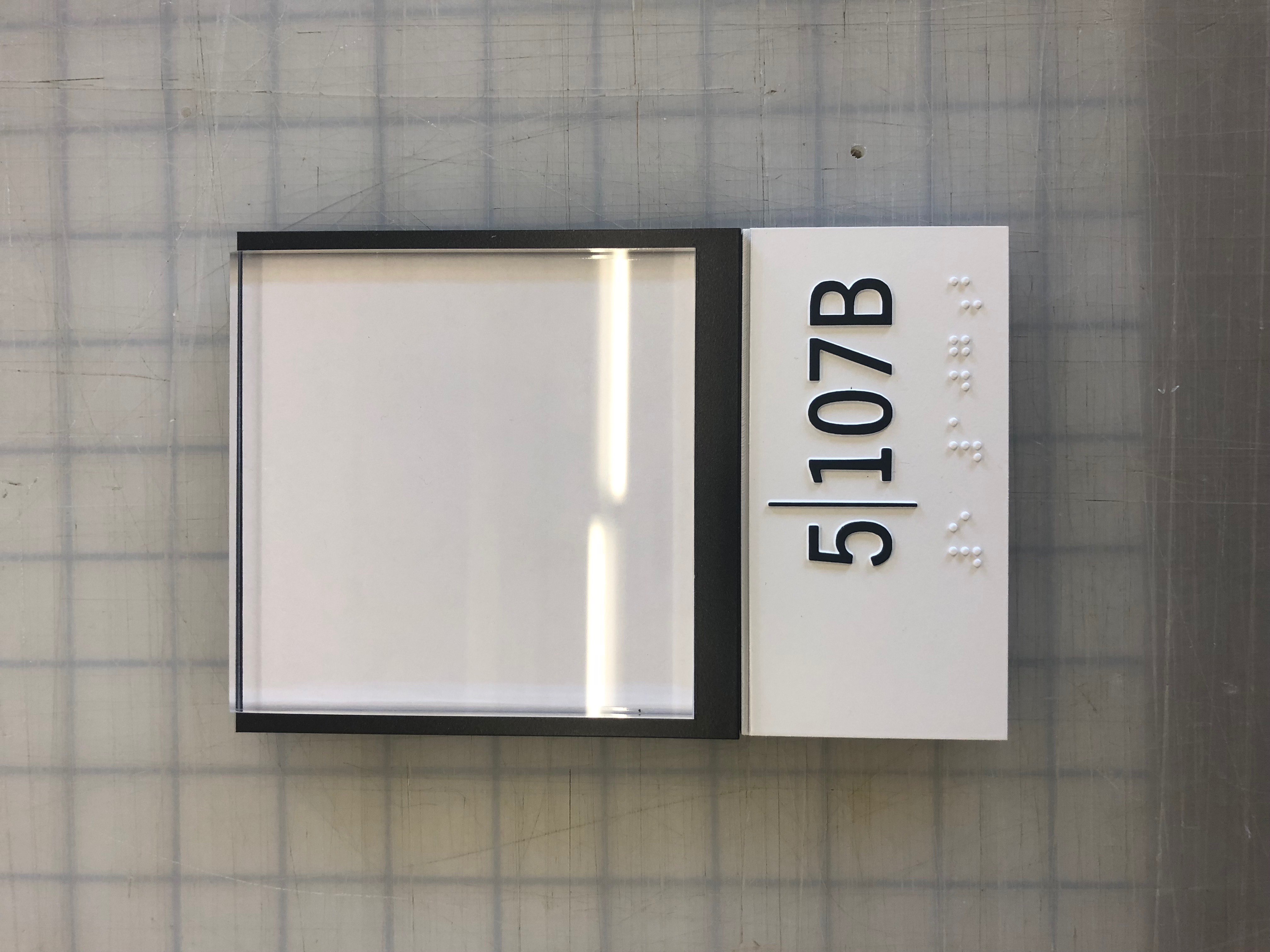
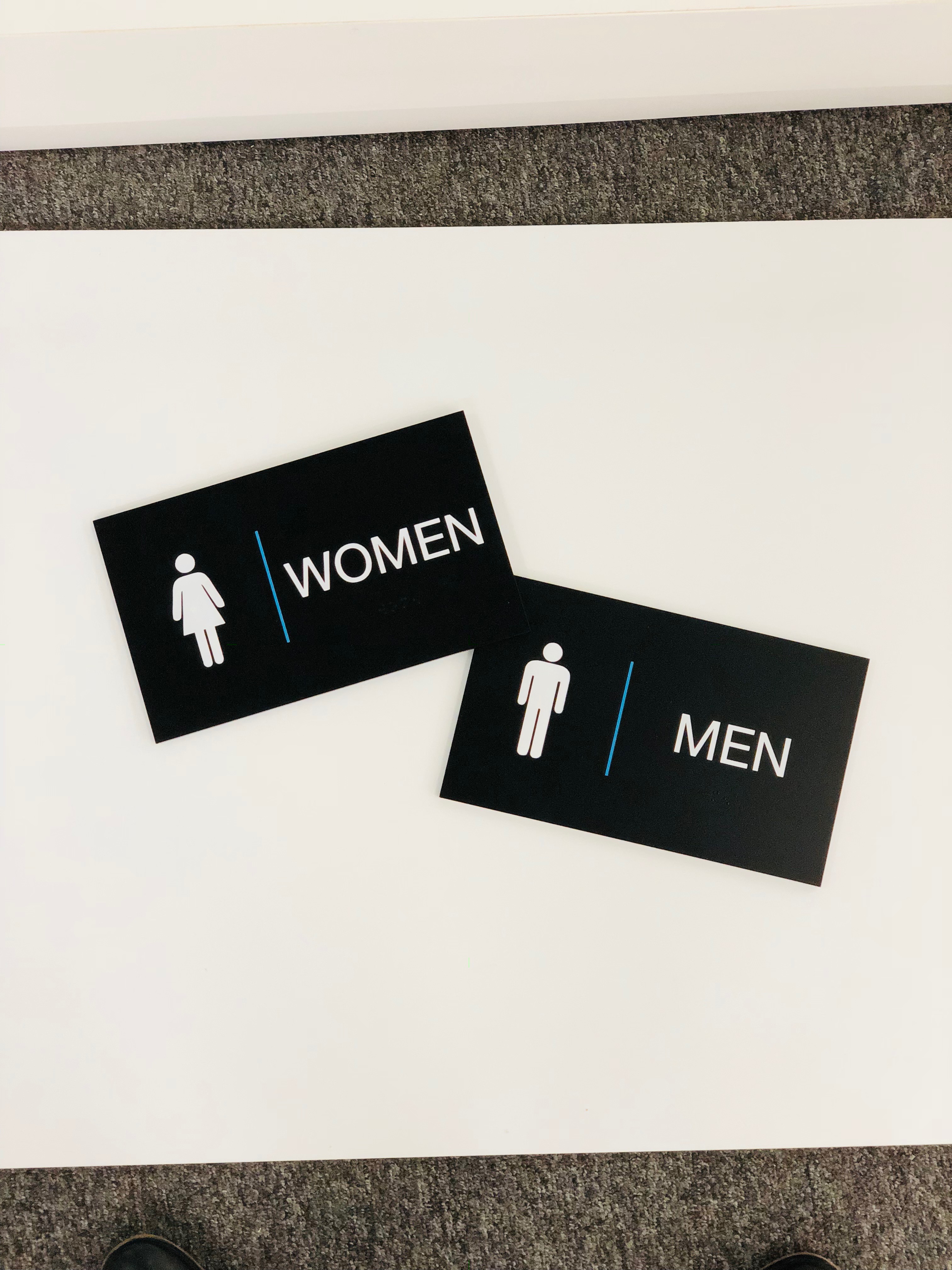
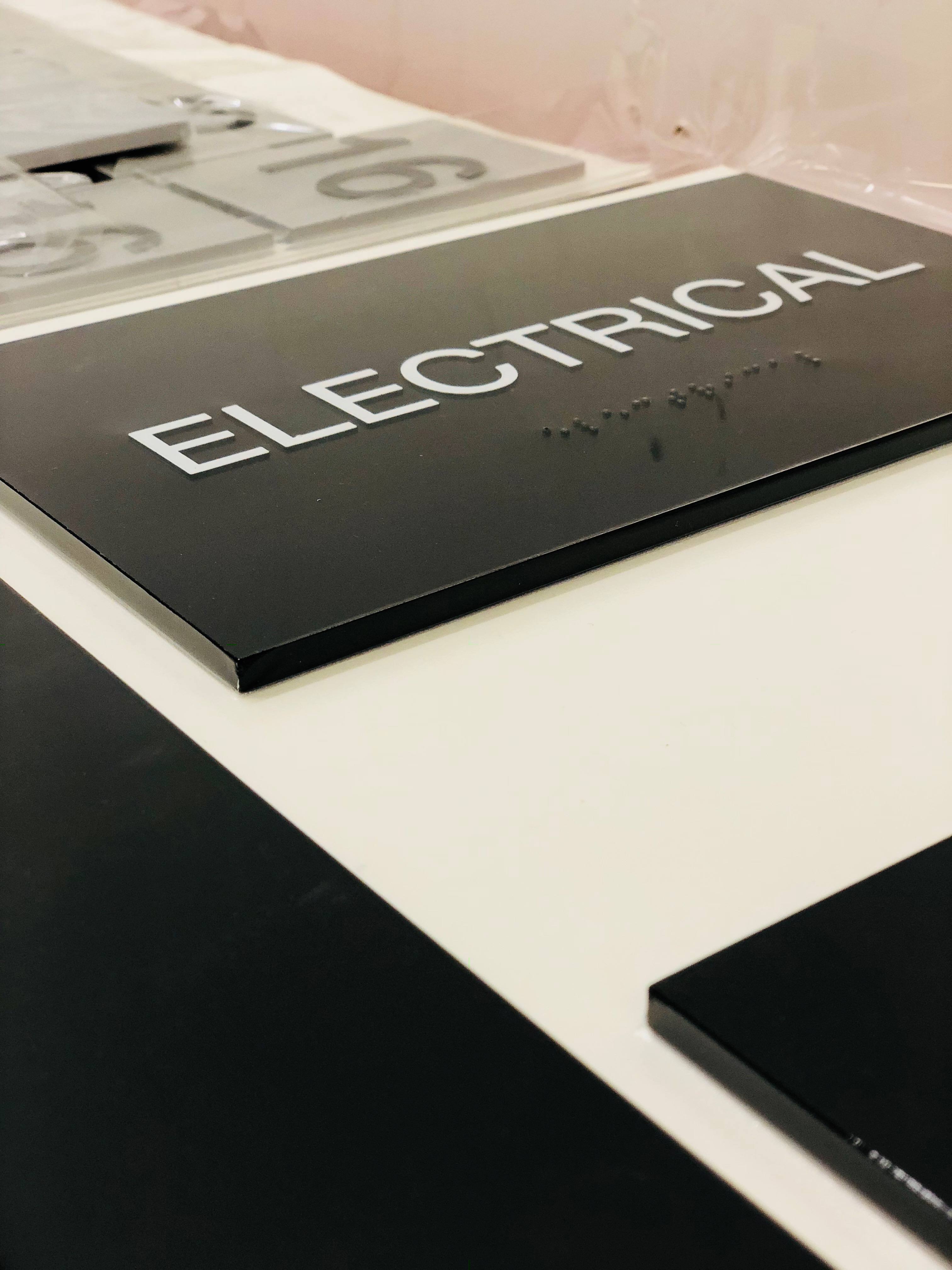
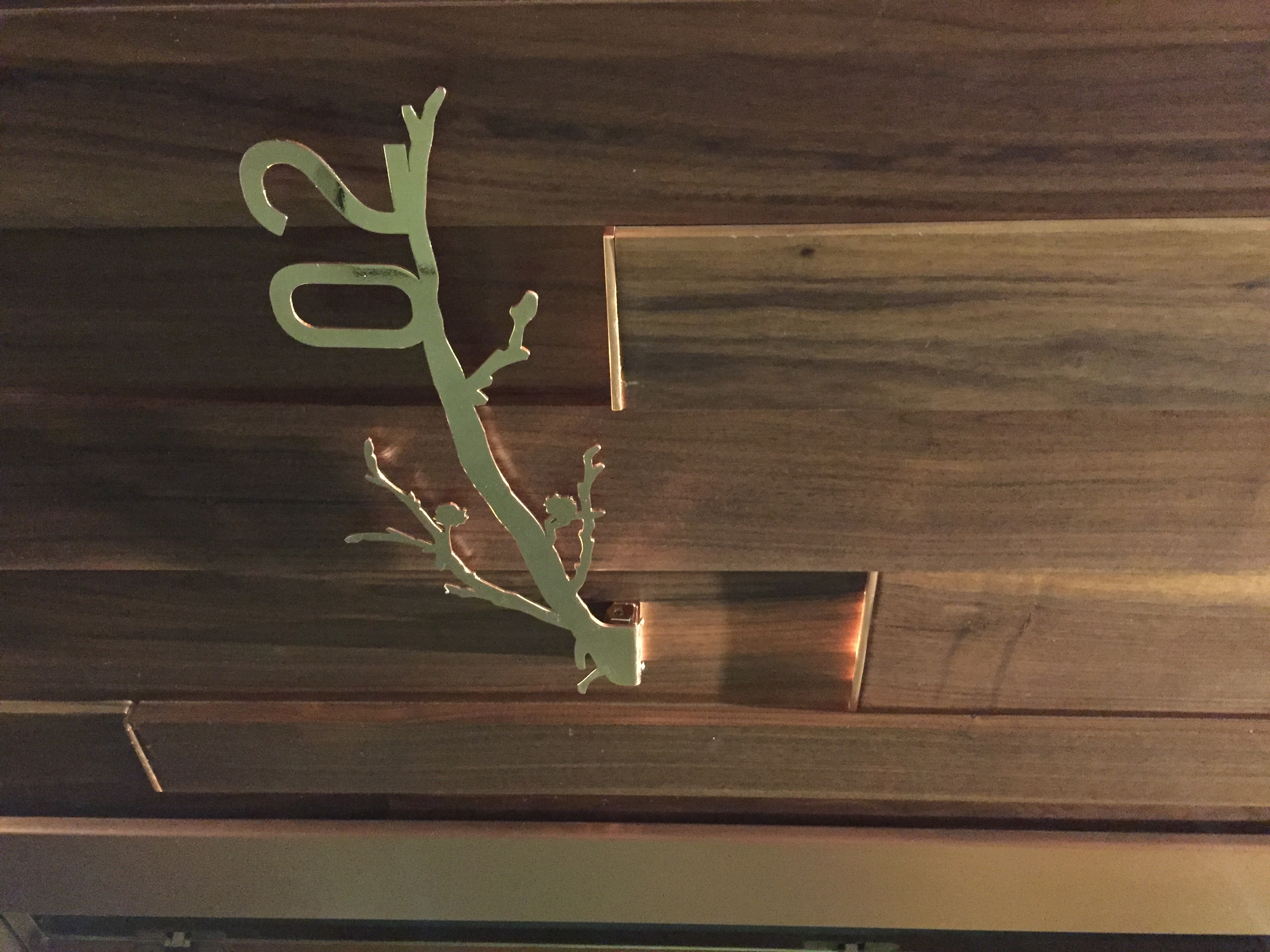
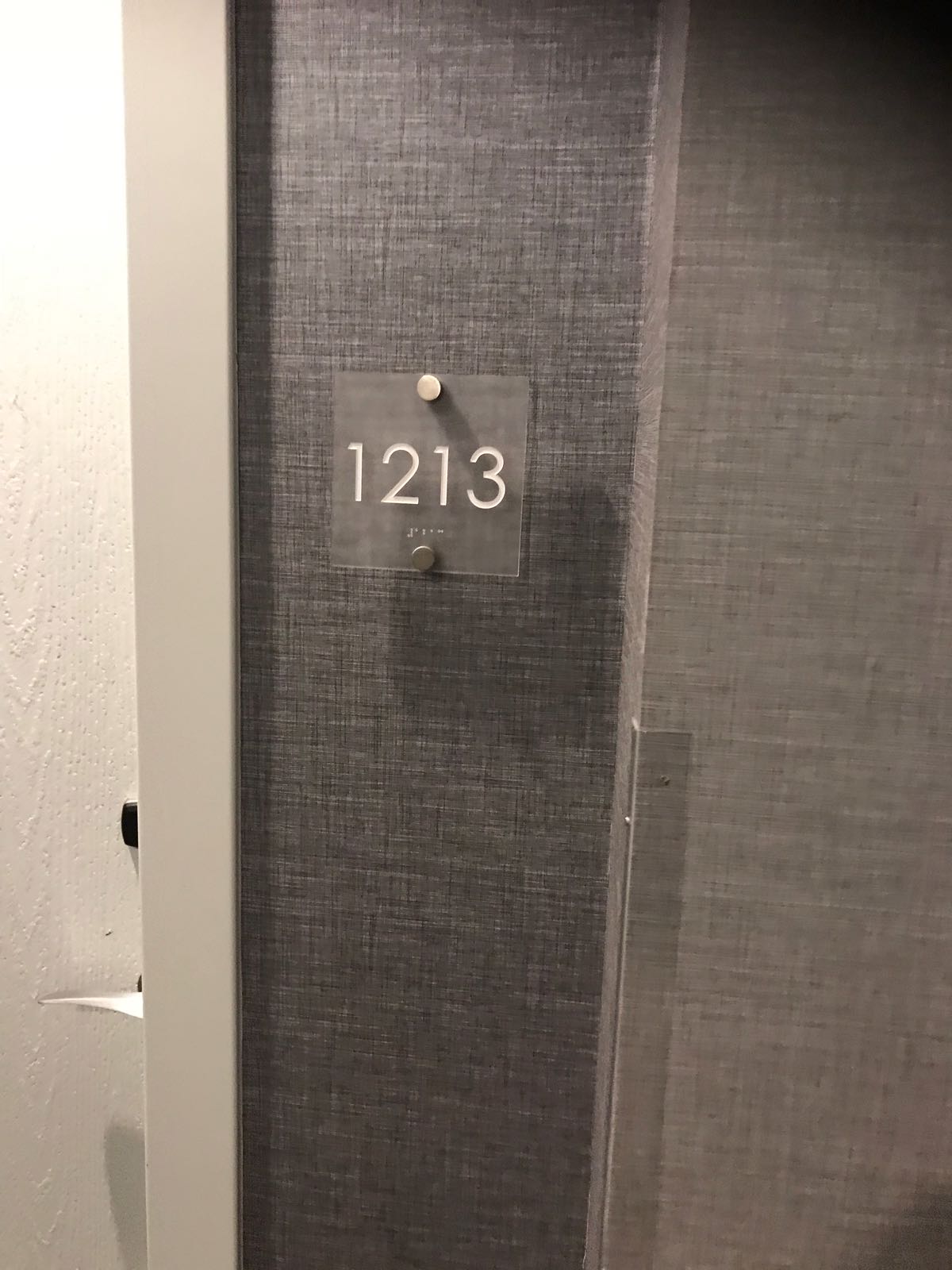
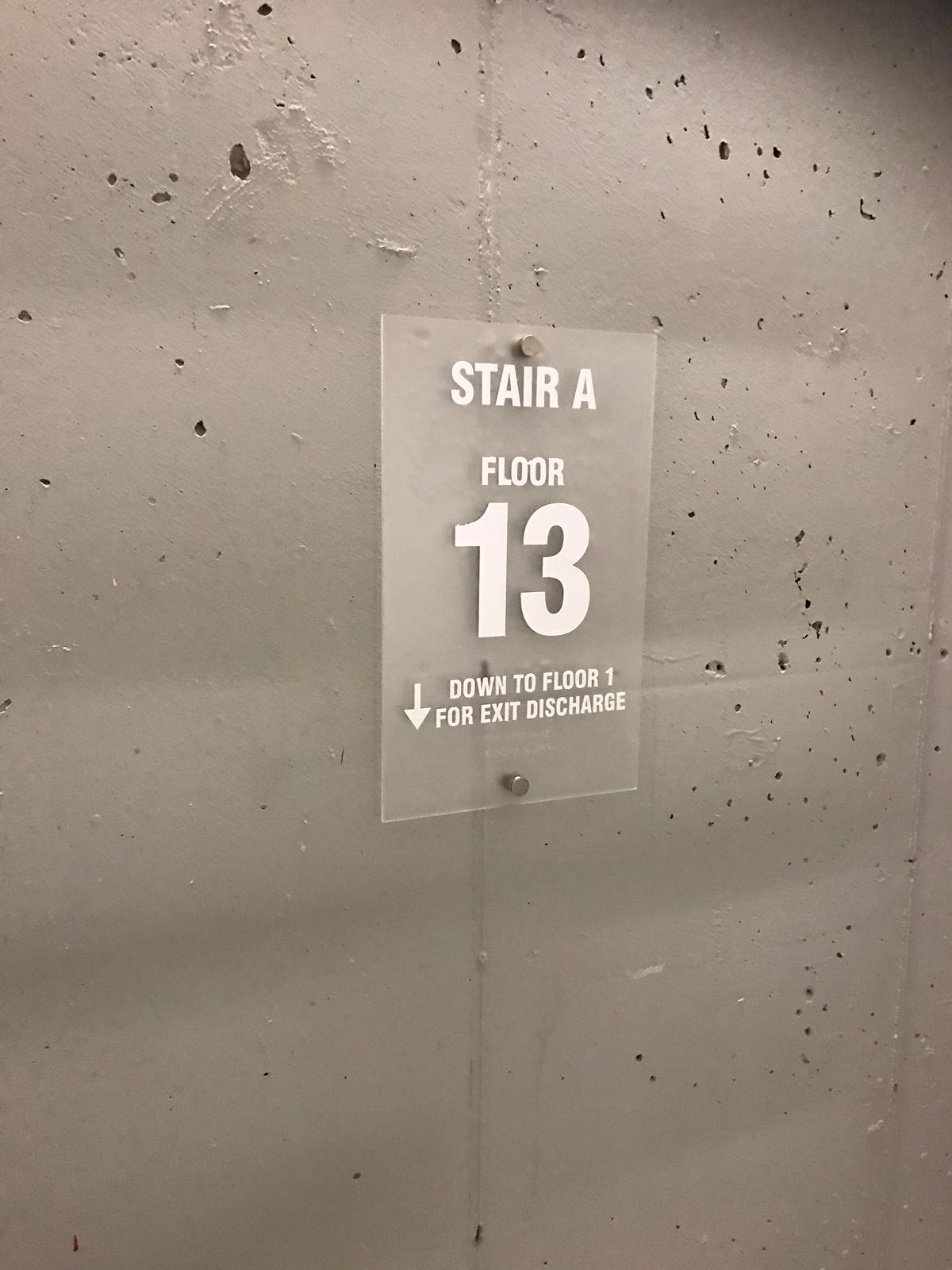
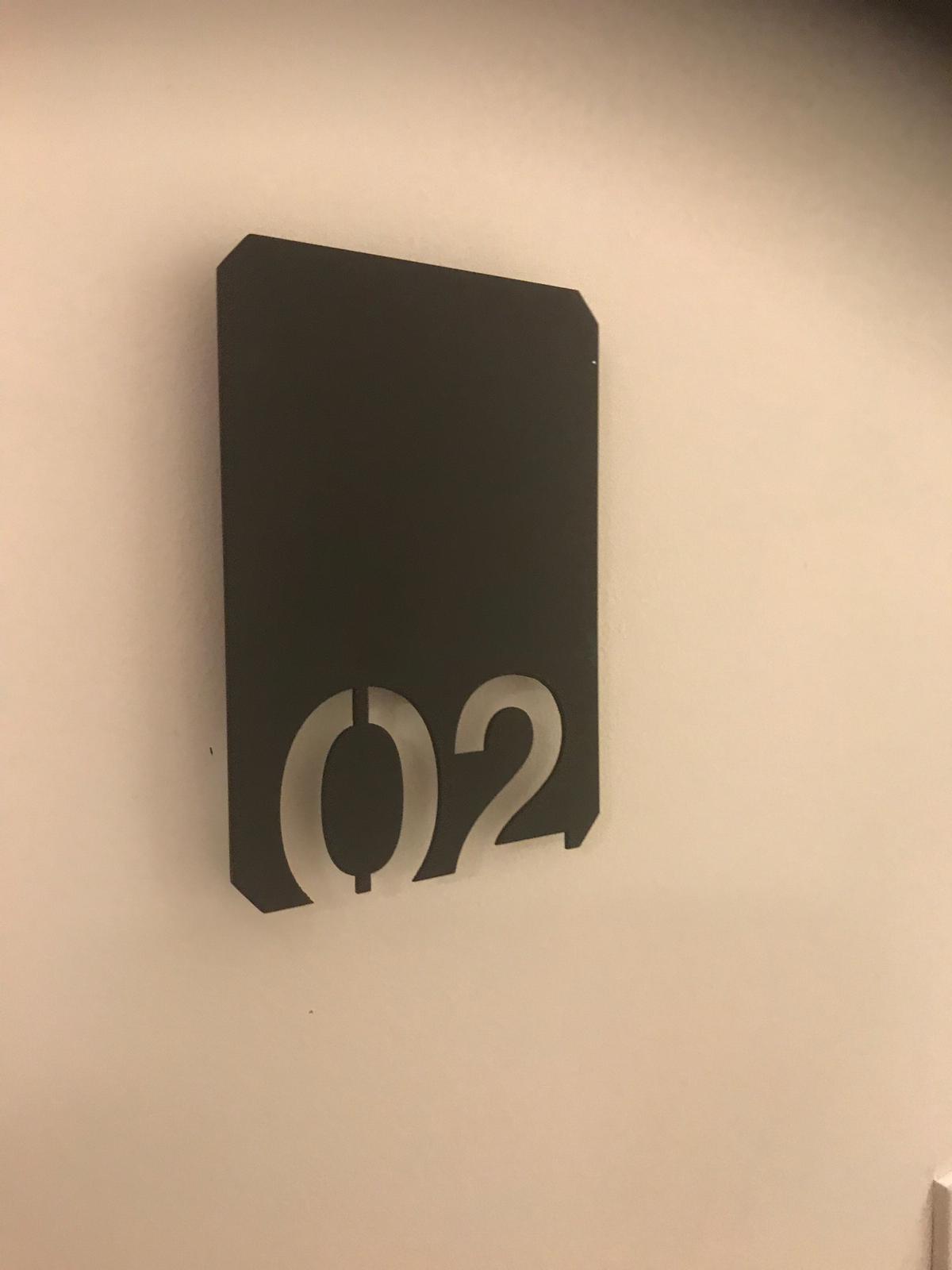
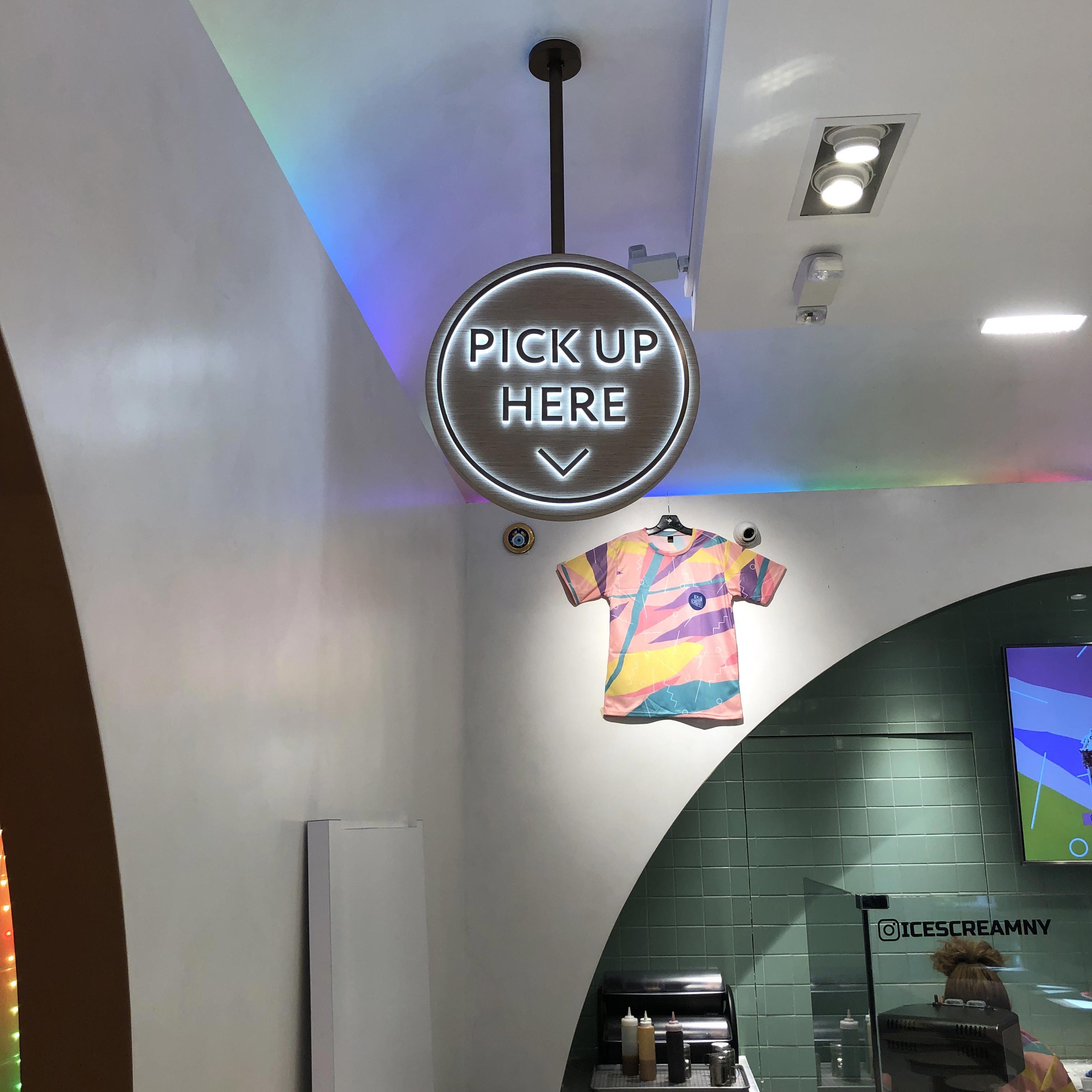
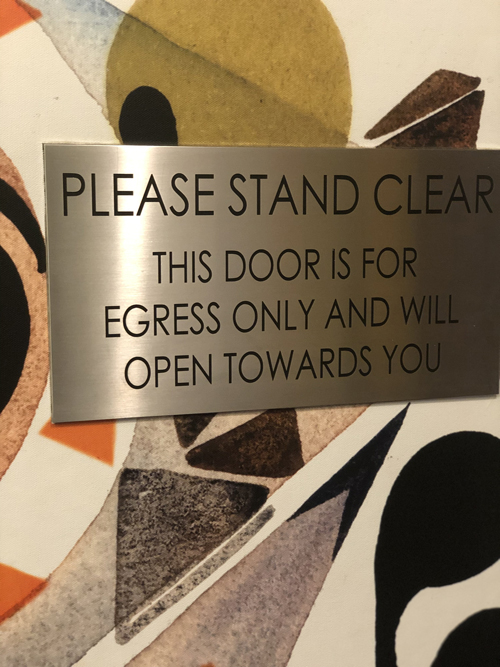
| Wayfinding and room signs | Directional signs, floor and suite identification, room signs, ADA-compliant signs | Offices, hotels, healthcare spaces and multi-tenant buildings. |
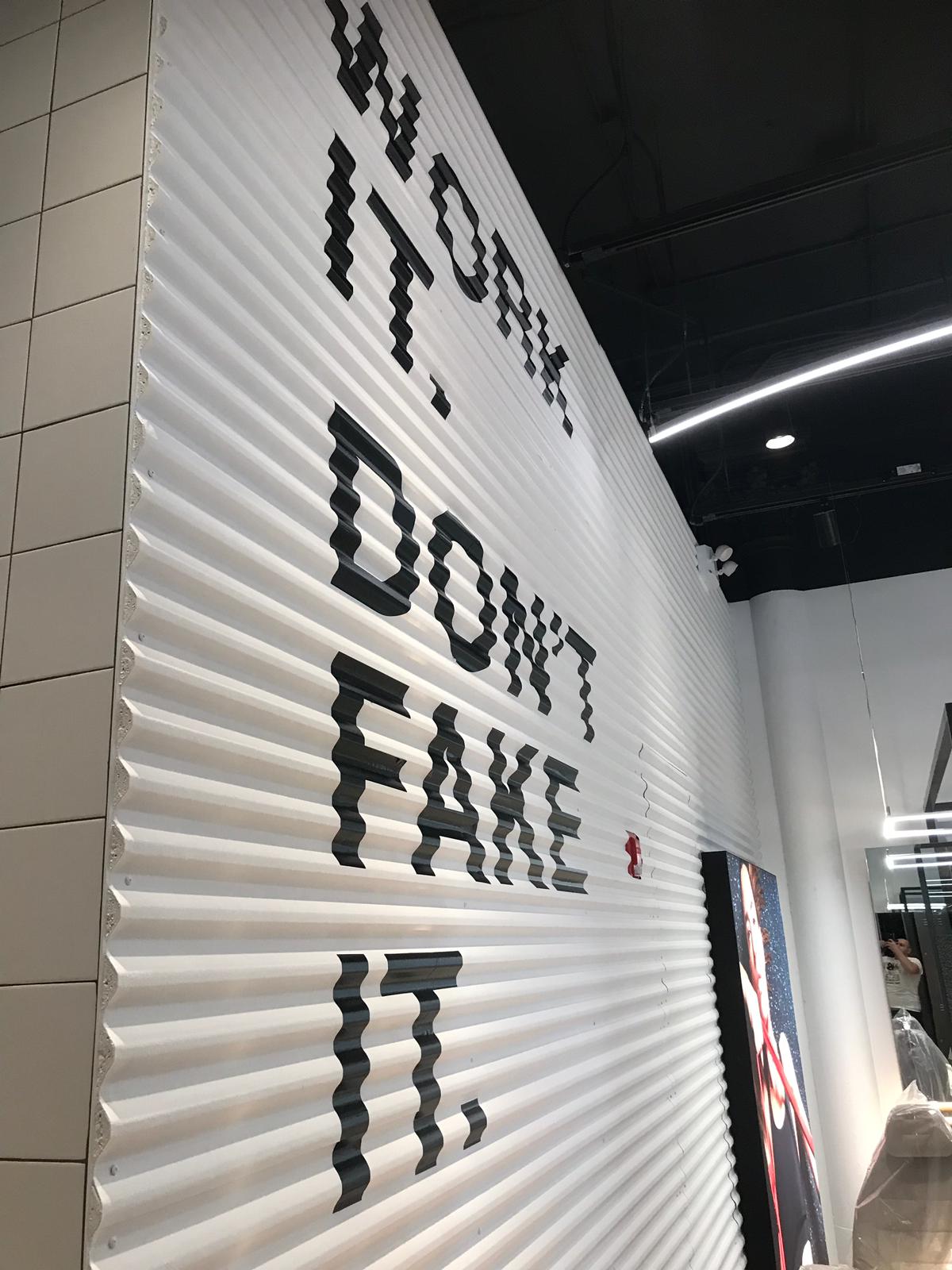
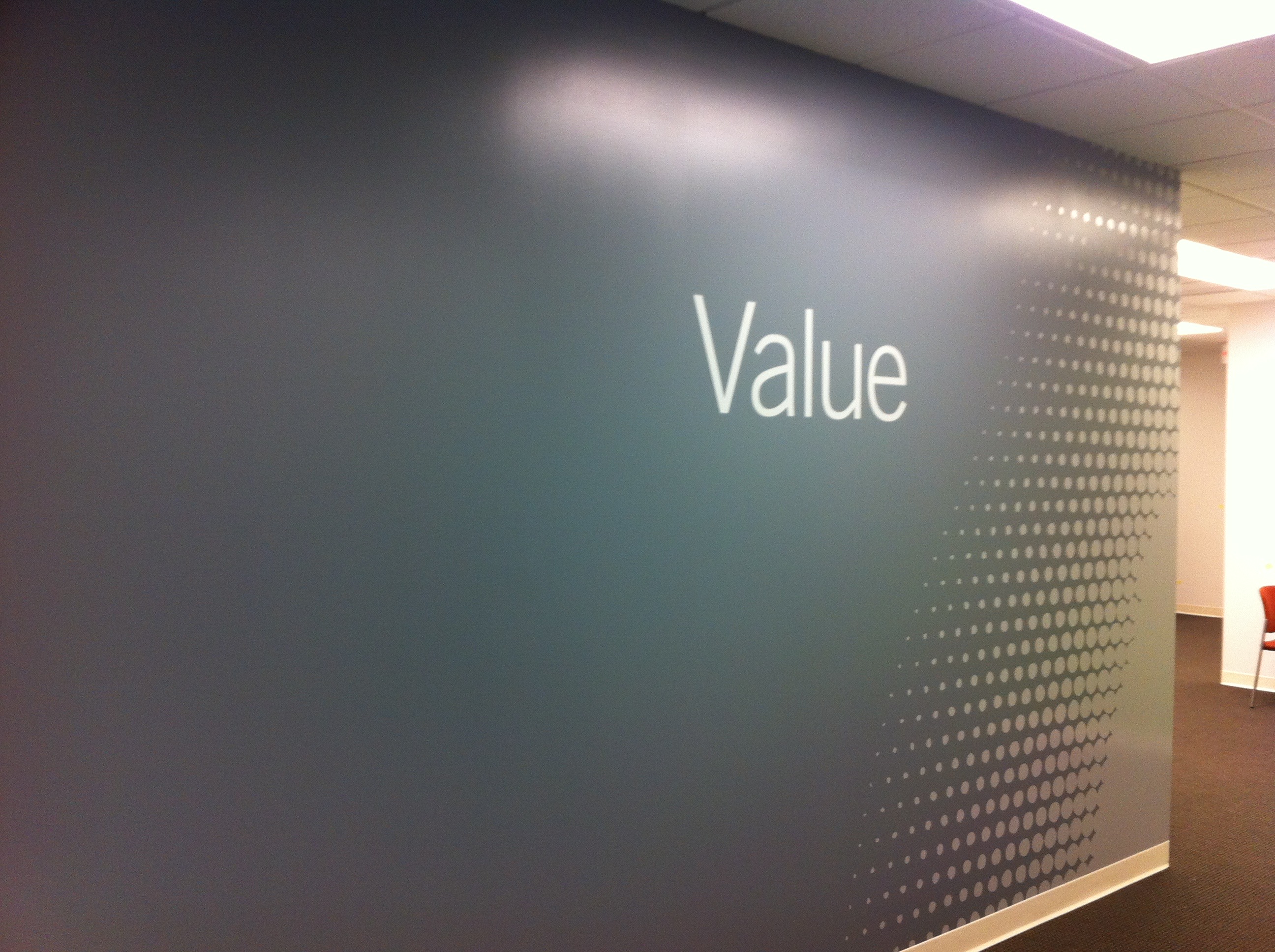
| Wall graphics and murals | Printed brand walls, material effects, full-wall imagery | Covered on our wall graphics and wall murals pages. |
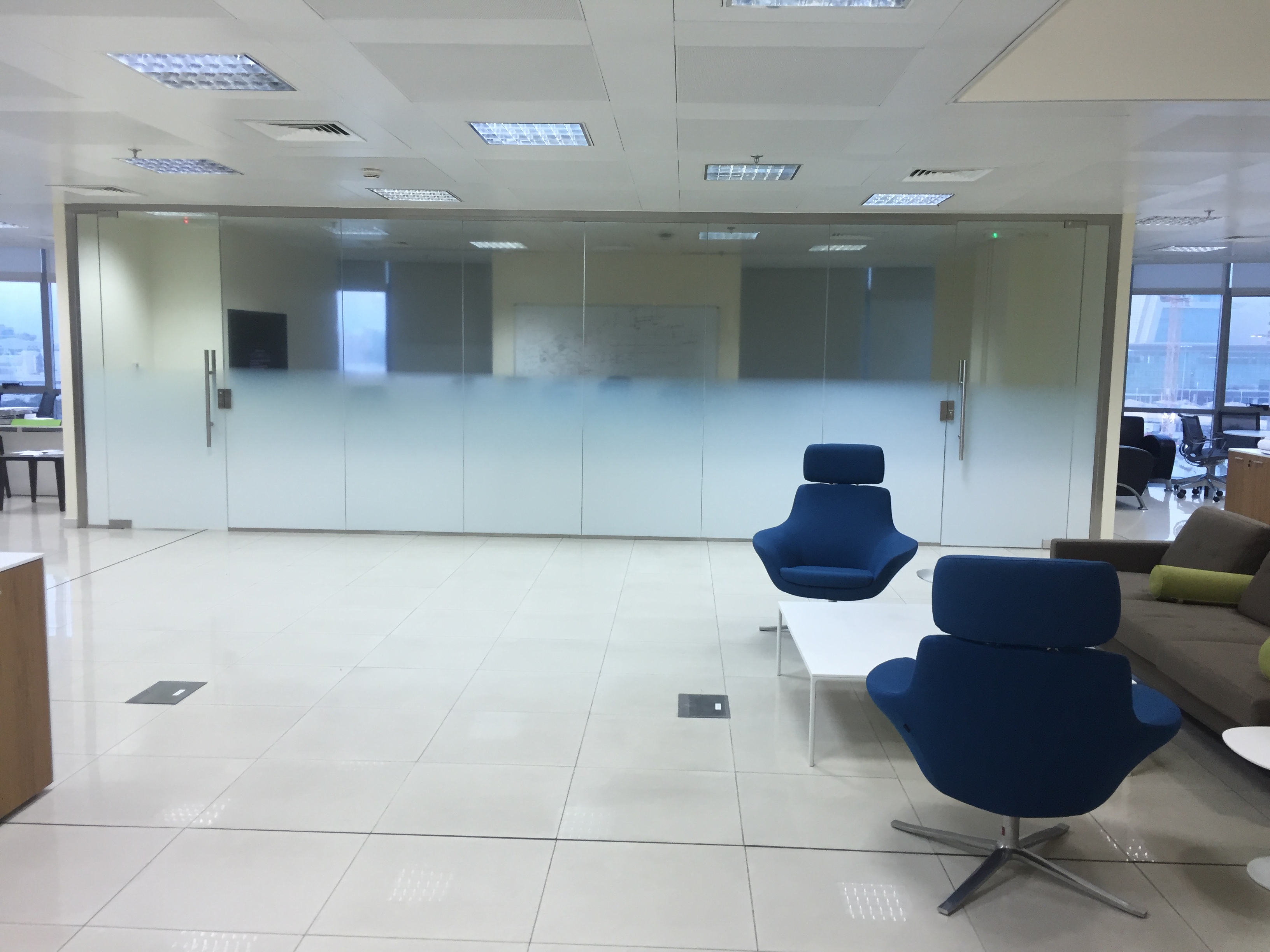
| Window graphics | Storefront window graphics, frosting and privacy film | Covered on our window film and store window graphics pages. |
| Event signage | Short-life signs and branded builds for activations | Covered on our event signage page. |
| Displays and fixtures | POP displays, store fixtures, fabricated acrylic pieces | Covered on our POP displays, store fixtures and acrylic fabrication pages. |
Business signage, sector by sector
The products overlap from one industry to the next. What matters most does not.
| Sector | What usually matters most | Typical work |
|---|---|---|
| Corporate and workplace | Brand accuracy, a clean install in an occupied office, building management sign-off | Reception logos, lobby signs, wayfinding, suite identification, wall graphics. |
| Retail | Street visibility, landlord or mall criteria, opening dates that do not move, consistency between stores | Storefront signs, window graphics, interior brand signs, displays. |
| Hospitality | Signs that suit the interior rather than interrupt it, finishes that hold up to constant use | Exterior identity, lobby and front desk signs, room and amenity signs, restaurant and bar signs. |
| Real estate and multi-tenant buildings | Directories that change when tenants change, one standard across the whole building | Lobby directories, tenant signs, floor and suite identification, amenity wayfinding. |
| Events and activations | Fixed dates, fast turnaround, planned removal | Event signage, temporary graphics, branded backdrops. |
New York has opinions about your sign
An exterior sign in New York City is rarely just a design decision. Several sets of rules can apply to the same sign. They are much easier to design around than to fix after the sign is built.
- Permits. Most exterior signs in the city need a permit from the Department of Buildings. Larger and heavier signs must be installed by a licensed sign hanger. Some small signs are exempt, but check the specific sign rather than assuming.
- Zoning. The zoning district affects how large a sign can be, how far it can project over the sidewalk and whether it can be illuminated. Two storefronts a block apart can have different answers.
- Landmarks. On a landmarked building or in a historic district, exterior signs generally need approval from the Landmarks Preservation Commission. That approval can shape the materials, the size, the fixing method and the lighting.
- Illumination. A lit sign means electrical work. That work needs its own permit and a licensed electrician, and illuminated signs are generally expected to carry a UL listing.
- The landlord. Many leases, malls and managed buildings have sign criteria covering size, color, lighting and position. These are sometimes stricter than the city’s rules, and they are easy to overlook until late.
Include the address in your first message. We can then look at what the location is likely to allow before anything is designed around it. Approvals often take longer than fabrication, so they belong in the schedule from the start.
What the sign is fixed to matters as much as the sign
| Surface | What it means for the job |
|---|---|
| Drywall on studs | Fine for light signs. Heavier signs need fixings into the studs or blocking behind the board, which is far easier to add before the wall is closed up. |
| Glass | Tempered glass cannot be drilled once it has been made. Signs on glass are applied graphics, adhesive-mounted, or supported from the frame, floor or ceiling. |
| Brick and masonry | Strong, but fixings usually go into the mortar joints where possible so the face can be repaired later. Landlords often have a view on this. |
| Stone and landmarked facades | The fixing method may be set by the approval. The aim is fewer, smaller penetrations. |
| Storefront fascia and sign bands | The usual home for exterior letters. They are often mounted on a raceway, which carries the wiring and cuts down the number of holes in the building. |
| Ceilings and soffits | For hanging and projecting signs. What is above the ceiling matters more than the ceiling itself. |
| Power | An illuminated sign needs a circuit in the right place. Knowing where power is, or is not, is one of the most useful things you can tell us. |
A photograph of the wall and the space around it usually answers most of these questions.
One sign, then twenty more
A lot of commercial signage starts as a single location and grows. What makes that easy is decided at the first sign.
- Sample first. For anything custom or repeated, we can make a material sample, a color swatch or a single test letter. It lets you check color, lighting and depth before the full run is made. That is cheaper than finding out on the building.
- Specified once, made again. We keep the drawings and the specification. A second location, a replacement letter or a new tenant sign then matches what is already there.
- Rollouts. We produce multi-location programs to one standard. Each site is adapted to its own frontage, criteria and approvals.
- Installed around your hours. Stores, offices and hotels are rarely empty. Installation can be scheduled outside trading or working hours, so the space opens as normal the next day.
- The old sign. Taking down an existing sign and making good the wall behind it can be quoted as part of the same job.
Address to installed sign
- Send us the address and a photo. Add your logo file if you have one. We will tell you what the location is likely to involve and roughly where the cost sits.
- Four questions. Is the sign inside or outside? Is it lit or not? What is it fixed to? How long is it staying? Those four answers decide the materials, the construction and the approvals.
- Design and drawings. The sign is drawn to scale on the actual wall, with materials, lighting and fixings shown. Colors are proofed against your brand standard where it matters.
- Approvals. Sign-off from the landlord or building management, plus permits where the sign needs them. This step is scheduled in, not left until the end.
- Fabrication. Cut, formed, finished, wired and assembled in our New York shop.
- Installation. Fixed, connected and checked, out of hours where the space is open or occupied. We keep the drawings for the next one.
One team, from the first drawing to the last fixing
As a custom signage company, we care about the parts of the job that happen before and after fabrication as much as the part in the middle.
| Capability | What it means for your sign |
|---|---|
| We ask where it is going first | The sign is designed for the building and the rules that apply to it, not redrawn after a rejection. |
| We make it ourselves | Fabrication happens in our New York shop, so lead times stay short and a change is a conversation rather than a reorder. |
| We plan the fixings | Mounting is designed for the wall you actually have, not an ideal one. |
| We install | The team that built the sign puts it up. |
| We work from what you have | Brand guidelines, a designer’s files, a photograph or a sketch. |
| We keep the drawings | A replacement or a new location matches the original. |
Frequently Asked Questions About Our Signage Company in New York
What does a commercial signage company do?
A commercial signage company designs, manufactures and installs signs for businesses. That includes exterior and storefront signs, lobby and reception signs, wayfinding and interior graphics. Some sign companies sell signs and subcontract the making and installing. We design, fabricate and install ourselves, from our shop in New York.
Do I need a permit for a sign in NYC?
For most exterior signs, yes. The Department of Buildings requires permits for most outdoor signs. Zoning affects size, projection and lighting, and landmarked buildings and historic districts generally need Landmarks Preservation Commission approval. Interior signs usually do not need a sign permit. Illuminated signs still involve electrical work, though, and many buildings have their own approval process. Send us the address and we will tell you what we expect the sign to need.
How long does a commercial sign take?
It depends on the sign and, for exterior work, on the approvals. An interior, non-illuminated sign can move quickly. An illuminated exterior sign that needs permits takes longer, and the approvals are often the longest part. If you have an opening date, tell us at the start so the schedule is built backwards from it.
Can you work from our brand guidelines or our designer’s artwork?
Yes. We work to brand standards, architects’ drawings and designers’ files, and we can also start from a sketch or a photograph. Where color matters, we proof it against your standard before fabrication, since painted, printed and illuminated color do not always match a screen.
What is the difference between front-lit, backlit and halo-lit signs?
A front-lit sign shines light through its face, so the letters themselves glow. A backlit sign, such as a lightbox, lights a translucent panel from behind. A halo-lit sign has light behind solid letters that washes the wall, so the letters appear as silhouettes with a glow around them. Each has a different look and suits different settings, and the choice may be limited by zoning or landmark rules on an exterior sign.
Can you make just one sign?
Yes. Plenty of our work is a single reception logo or one storefront sign. We keep the drawings, so adding locations or matching signs later is straightforward.
Do you install, and can you remove our old sign?
Yes. Our own team installs, and we can schedule it outside business hours. Removing an existing sign and repairing the wall behind it can be quoted with the new sign.
What do you need from us for a quote?
The address, a photograph of where the sign is going, rough dimensions and your logo file. A vector file is best. Tell us as well whether you want it illuminated and whether you have a date to work to. That is enough for us to tell you what is involved.
View Our Projects