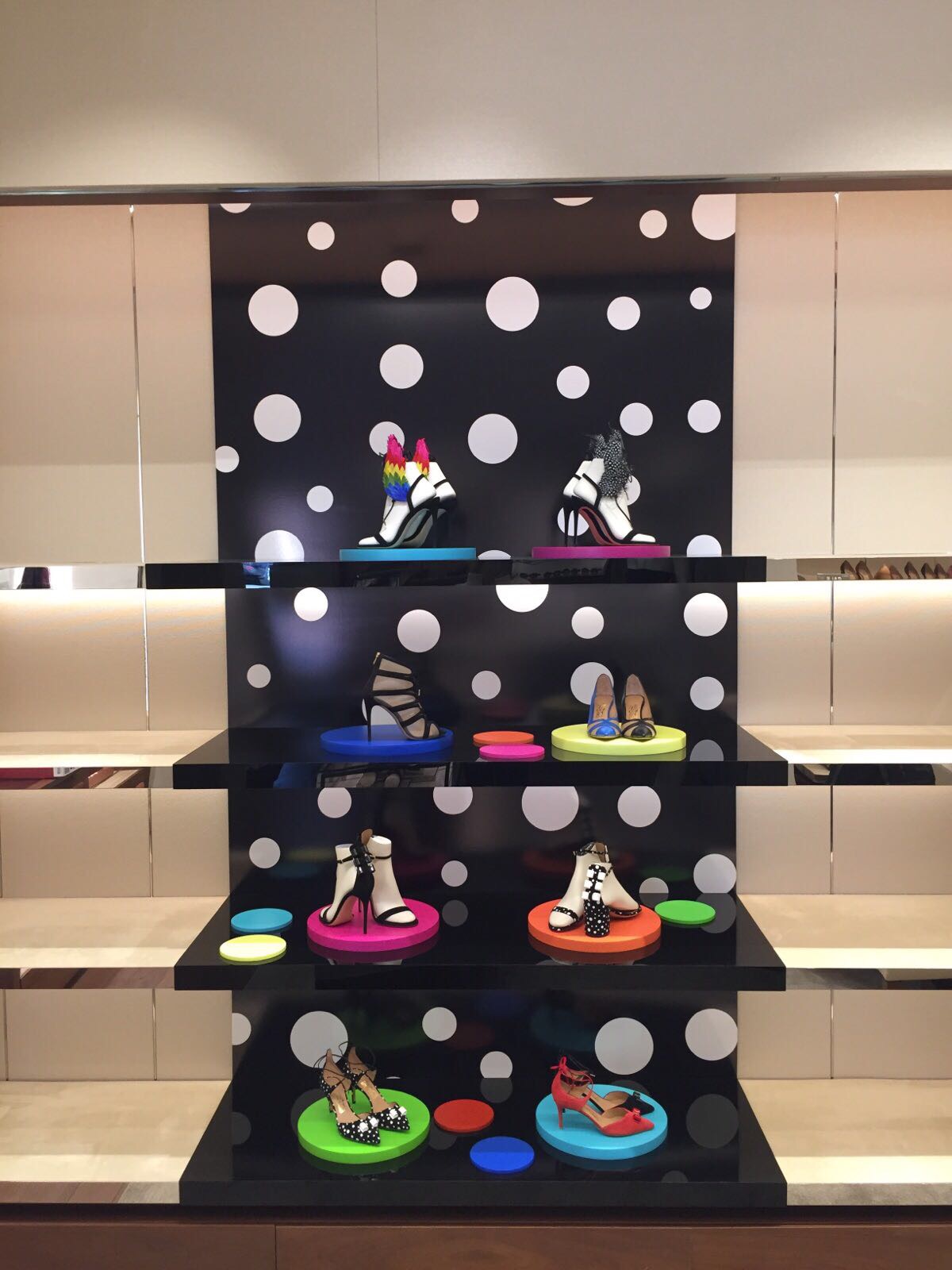
Retail Displays in New York
Custom retail displays for stores, showrooms, brand spaces and shop-in-shops across New York. Floor and wall displays, countertop and window displays, showcases, point of purchase displays and custom store fixtures. Designed around the product they hold, prototyped before production, and built to be restocked, moved and reused.
One hero display for a launch or a fixture program for every store.
The display is there for the product
A good retail display is easy to overlook, because people look at what is on it rather than at the display itself. That is the point. The display’s job is to put the product at the right height, in the right light, in front of the right shopper, and then get out of the way.
It also has a second audience that rarely gets designed for: the staff. They restock it every day, straighten it after every rush, move it when the floor is reset, and change its graphics when the promotion ends. A display that looks beautiful on day one but is awkward to fill ends up half-empty by week two.
So we design in-store displays around three things at once: the product, the shopper and the person who looks after it.
Types of retail displays
| Display | What it is | Best for |
|---|---|---|
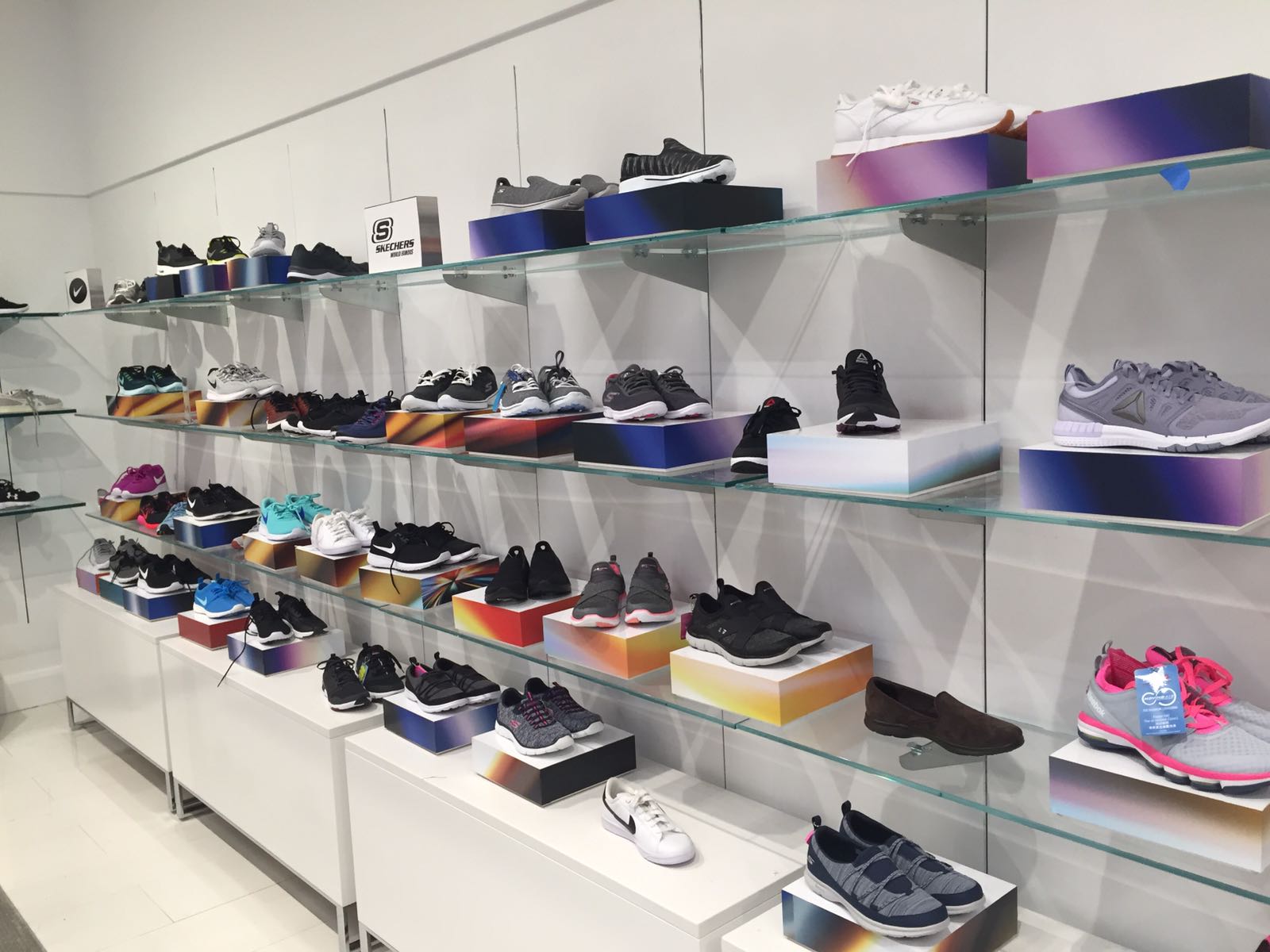
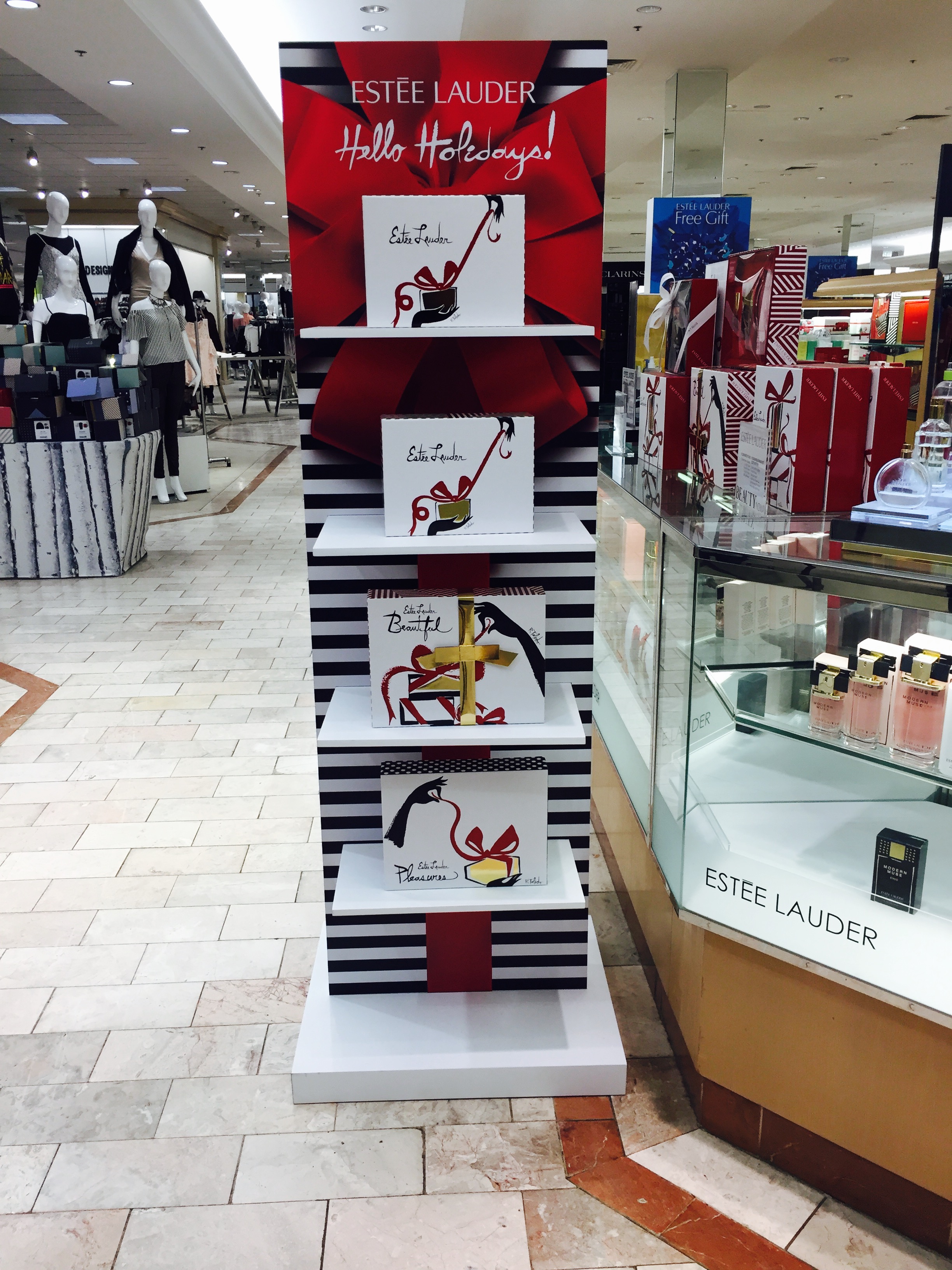
| Freestanding floor displays | Tables, towers, tiered units and island displays. | New arrivals, hero products and focal points on the floor. |
| Endcaps and gondola displays | Displays at the end or along the length of an aisle. | Promotions and high-turnover products. |
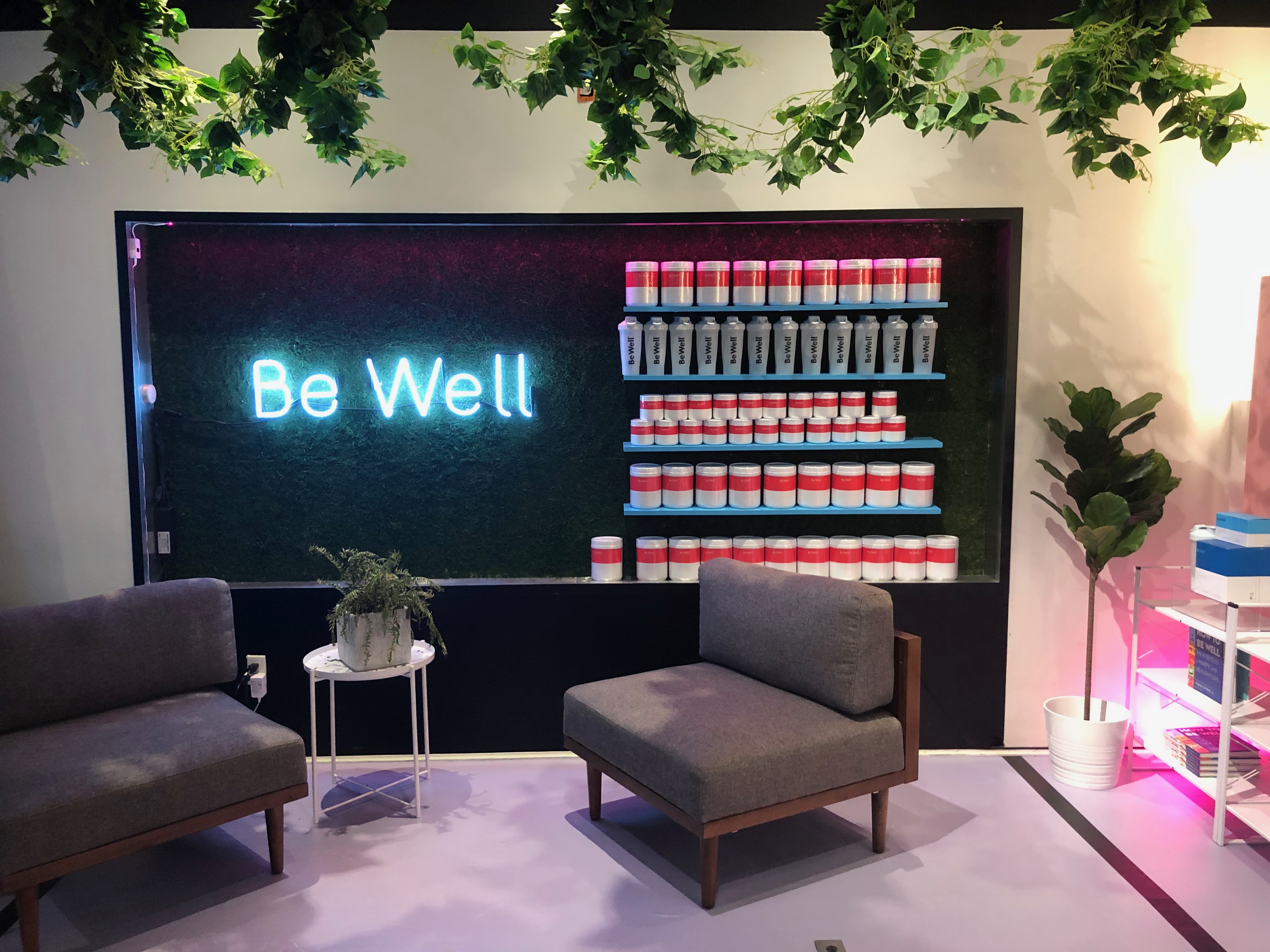
| Wall displays | Shelving, slatwall and gridwall systems, and custom wall units. | Ranges that need a lot of facings. |
| Countertop displays | Small units by the register or on counters. | Impulse buys, samples and small products. |
| Window displays | Plinths, risers, props and backdrops for the window. | Launches and seasonal stories seen from the street. |
| Showcases and locking cases | Enclosed cases with glass or acrylic. | High-value items such as jewelry, electronics and fragrance. |
| Point of purchase displays | Branded displays for a product or campaign. | Brand launches, promotions and vendor programs. |
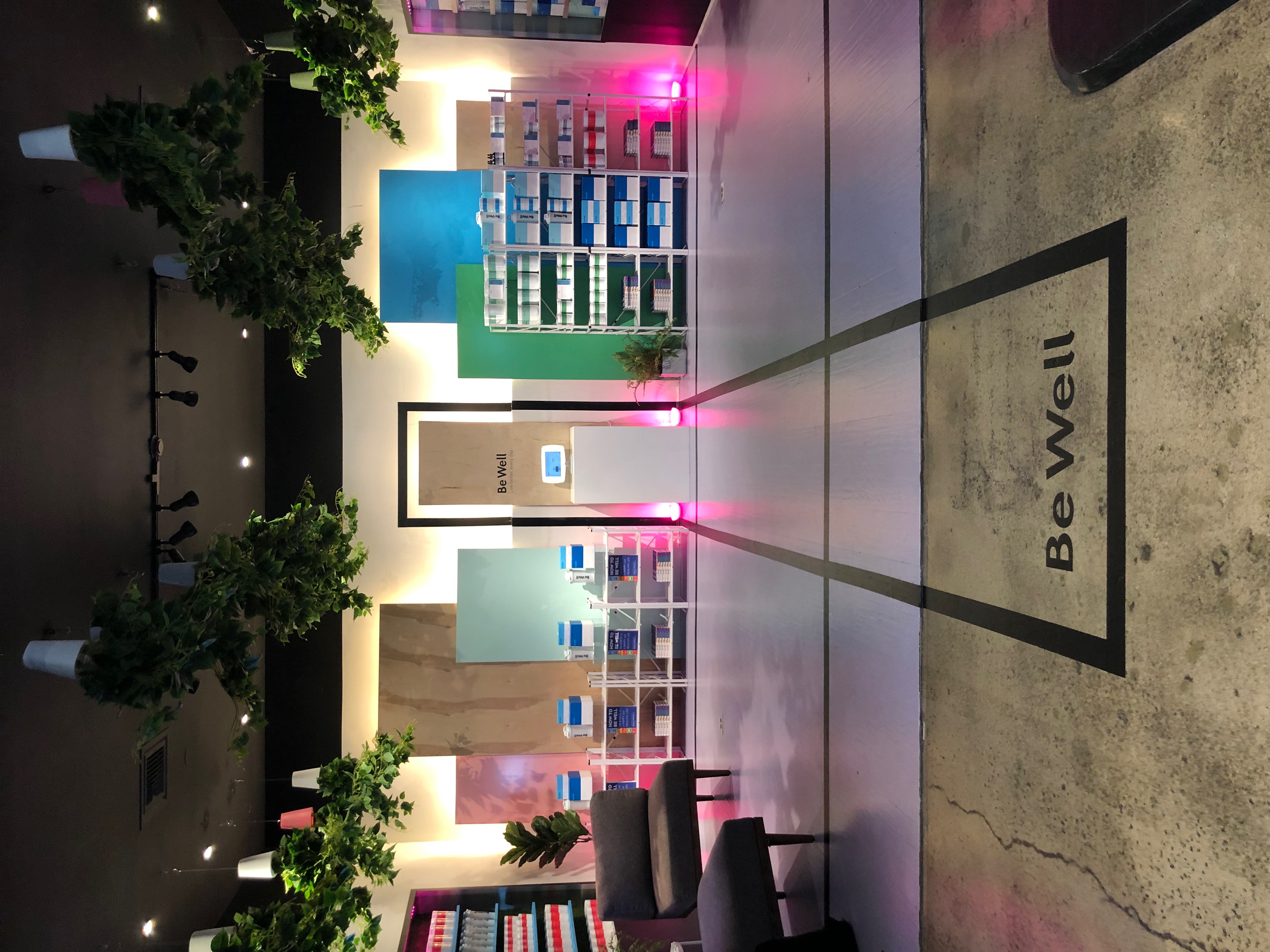
| Shop-in-shops and pop-ups | A branded area inside another store or a temporary space. | Brand partnerships, launches and seasonal retail. |
Permanent, semi-permanent or temporary
How long a display needs to last decides almost everything else about it: the material, the construction and the cost.
| Aspect | Temporary | Semi-permanent | Permanent |
|---|---|---|---|
| Lasts | Weeks, for a promotion or launch | Months to a couple of years | Years, as part of the store |
| Typical materials | Printed corrugated board, foam board, light printed panels | Acrylic, wood, laminates, powder-coated metal with changeable graphics | Solid wood, metal, glass and built-in joinery |
| Examples | Campaign POP, sampling stations, pop-up units | Brand displays, vendor fixtures, window props | Store fixtures, wall systems, showcases |
| Graphics | Printed on the display | Swappable panels and headers | Usually fixed, with separate campaign signage |
For campaign and vendor displays, see our point of purchase displays page. For the retail fixturing program of a whole store, see our store fixtures page.
Questions that shape a display
Before we draw anything, we ask about the product and the store.
- What does it hold? Size, weight and number of products. A shelf of candles and a shelf of glass bottles need very different structures.
- How much stock? How many facings and how much back stock the display has to carry between refills.
- Who restocks it, and how? From the front or the back, with or without tools, and how quickly.
- Will shoppers handle it? Products that are picked up, tried or tested need sturdier displays and easy-to-clean finishes.
- Does it need security? Locking cases, tethers or display-only samples for high-value items.
- Does it need light or power? Integrated lighting, lit headers or power for devices and demos.
- Where does it sit? The floor plan, aisle widths and sightlines. Displays should leave aisles clear for accessibility and busy periods.
- How does it get there? Through the door, up the stairs, or shipped flat to many stores.
Materials
| Material | Strengths | Typical use |
|---|---|---|
| Acrylic | Clear, clean and light, and easy to form into risers, cases and holders. | Cosmetics, jewelry, tech, and anywhere the product should float. |
| Wood and laminates | Warm, sturdy and easy to brand. | Tables, shelving, wall units and lifestyle displays. |
| Powder-coated metal | Strong, slim and durable. | Heavy products, wall systems and high-traffic fixtures. |
| Glass | Scratch-resistant and premium. | Showcases and luxury displays. |
| Corrugated board | Light, printable and economical. | Temporary POP and promotions. |
| Fabric graphics | Light and quickly changed. | Backdrops, headers and lit graphics. |
Most retail display fixtures combine two or three materials, such as a metal frame with wood shelves and an acrylic product holder.
One prototype, then the rollout
- Prototype first. One display built and tested with the real product in the store before the full run.
- Adjusted in place. Heights, spacing and graphics refined once the display sits on the shop floor.
- Built for shipping. Displays for multiple stores can be designed to ship flat and assemble quickly on site.
- Clear instructions. Assembly guides and graphic placement guides, so every store sets up the same way.
- Repeatable. Drawings kept on file, so reorders and replacement parts match.
Product to installed display
- Send us the product and the space. Product samples or dimensions, the floor plan or photos, your brand guidelines and your launch date.
- The questions. What it holds, how much stock, how it is restocked, how long it lasts and how many stores need it.
- Concept and drawings. Sketches, then scaled drawings with materials, finishes, graphics and lighting.
- Prototype. One display built and tested with the product, in the store where possible.
- Production. The full run fabricated, finished and packed, flat-packed for shipping where needed.
- Delivery and installation. Delivered and installed, or shipped with assembly guides for each store.
Custom retail displays, designed for the shop floor
| Capability | What it means for your store |
|---|---|
| We design around the product | Right height, right light and right capacity for what it holds. |
| We design for restocking | Easy for staff to fill, tidy and reset. |
| We match life to material | Temporary, semi-permanent or permanent, and priced accordingly. |
| We prototype | One display tested with the product before the full run. |
| We build for rollout | Flat-pack, assembly guides and repeatable drawings for every store. |
| We make graphics swappable | New campaigns without new displays. |
For the signs around your displays, see our retail signage page.
Frequently Asked Questions About Retail Displays
What is the difference between a display, a fixture and a POP display?
The terms overlap. Store fixtures are the permanent furniture of a store, such as shelving, wall systems and counters. Retail displays present specific products or stories and may be permanent or temporary. Point of purchase displays are usually branded, campaign-driven and temporary.
Are temporary displays much cheaper than permanent ones?
Usually, yes, per display. Temporary displays use lighter materials such as printed board and are made for short campaigns. Permanent displays cost more but last years and can take new graphics. The right choice depends on how long the display needs to work.
Can you make a single prototype first?
Yes, and we recommend it. A prototype tested with the real product in the store shows what needs adjusting before the full run is made.
Can displays be shipped flat to our stores?
Yes. Displays for multiple locations can be designed to ship flat and assemble on site, with clear instructions so every store sets up the same way.
Can the graphics be changed?
Yes. We design headers, panels and frames that take new printed graphics, so the display stays while the campaign changes.
Do you make locking display cases?
Yes. Showcases and locking cases in glass or acrylic for high-value products, with lighting where needed.
Can displays include lighting?
Yes. Integrated LED lighting, lit headers and lit shelves can be built in, with power planned for the store layout.
What do you need to get started?
Product samples or dimensions and weights, photos or a floor plan of the store, your brand guidelines, the number of stores and your launch date.
View Our Projects