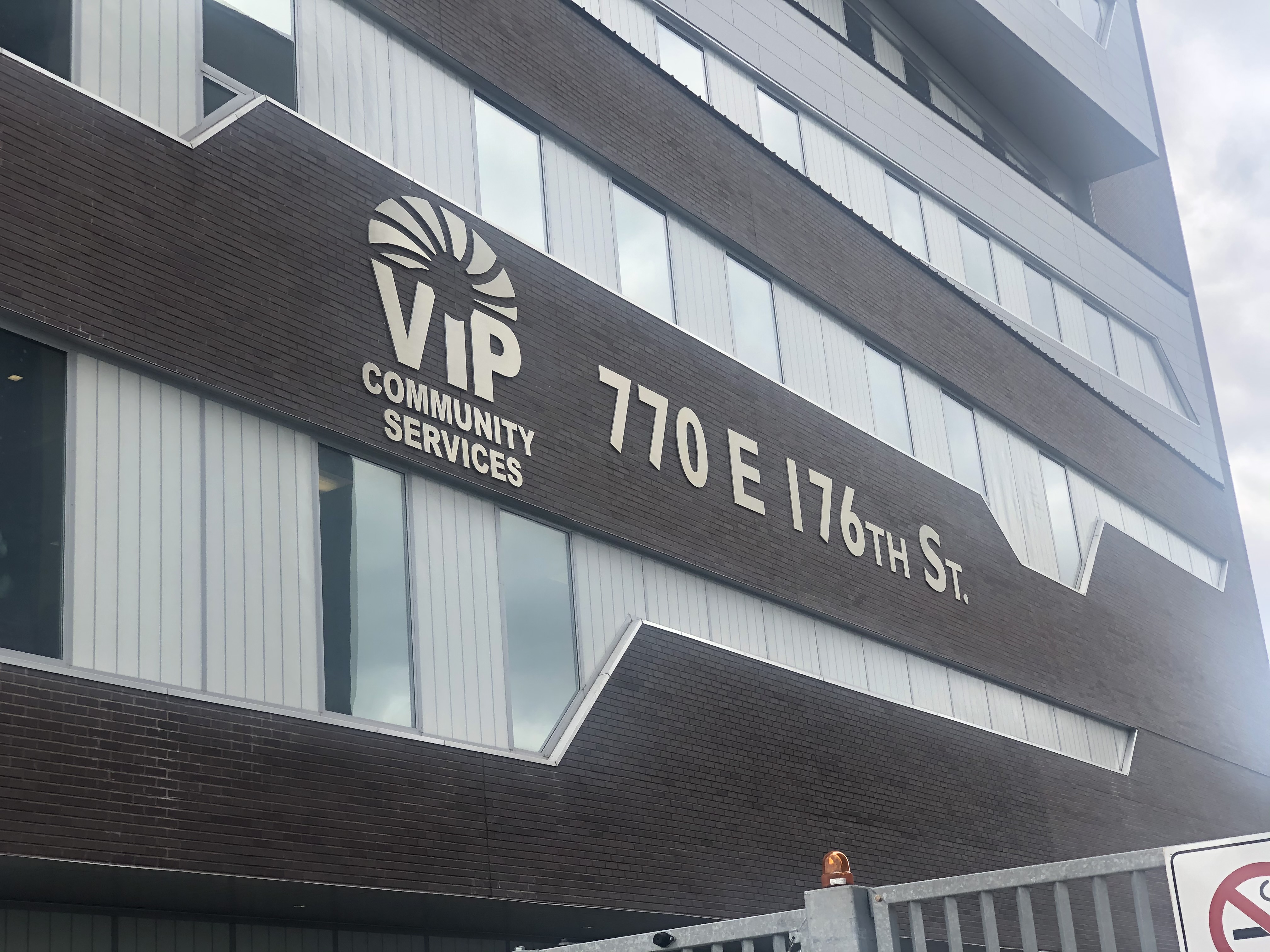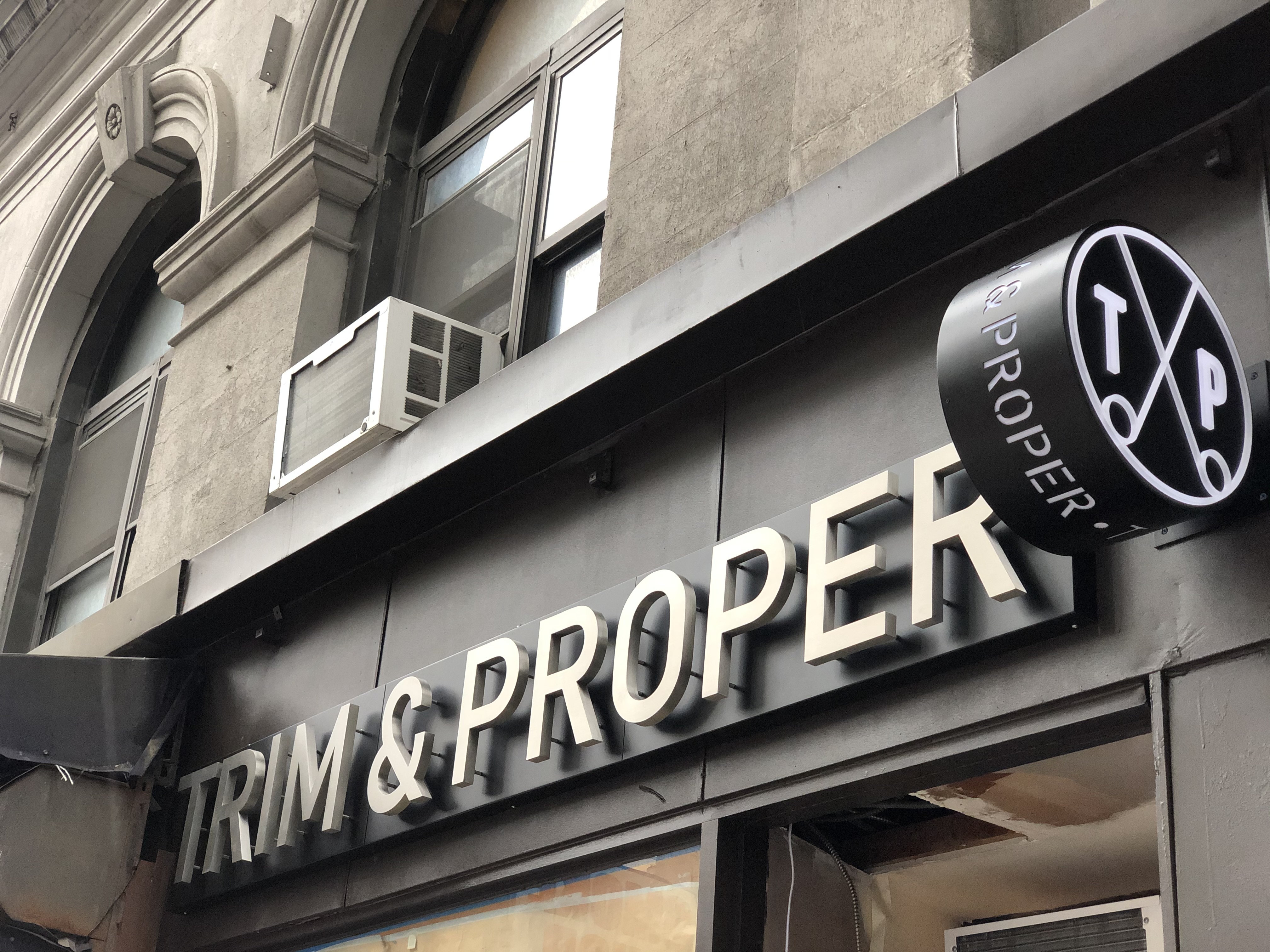
Exterior Signage in New York
Velement designs, fabricates and installs exterior signage across New York City and the tri-state area. Illuminated letters, storefront signs, building identification, awnings, wayfinding and window graphics, made in our own workshop and fitted by our own crews.
Permanent and temporary exterior signs for storefronts, offices, buildings, campuses and multi-site brands. Survey, design, permit coordination, fabrication and installation from one team.
Exterior signs do one job: get you seen before anyone is looking for you
Interior signage speaks to people who have already decided to come in. Exterior signage speaks to everyone else, and it works whether or not anybody is paying attention. A storefront sign earns impressions from passing traffic every hour the street is busy. A building sign tells a visitor they have arrived before they start circling the block. A parking and site sign keeps a delivery driver out of the loading bay at the wrong entrance. None of that depends on a campaign running or a budget being live.
That is also why exterior signage is judged differently. It has to survive weather, sunlight, wind and the occasional impact, it has to stay legible at the distance and the speed people actually see it, and in New York it has to satisfy the rules that apply to the building it is fixed to. A sign that looks right in a rendering and fails any of those three tests is a sign that comes down early.
Velement builds exterior signage to be looked at from the street and inspected from a ladder. We survey the site, design to the sightlines that exist rather than the ones on the elevation drawing, fabricate in our own workshop, and install with our own crews so that nobody is handing the problem on.
Every exterior sign type, made in one workshop
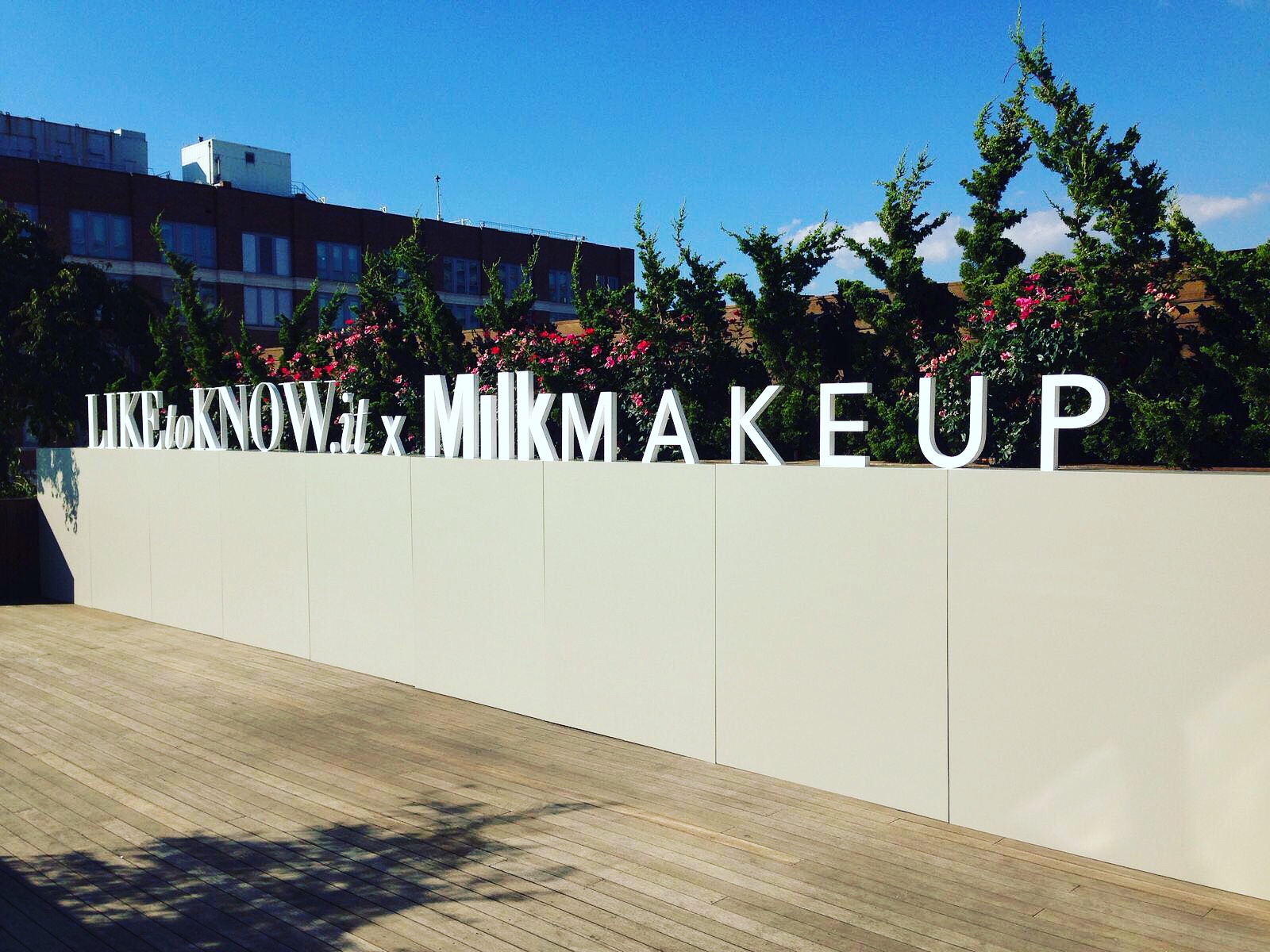
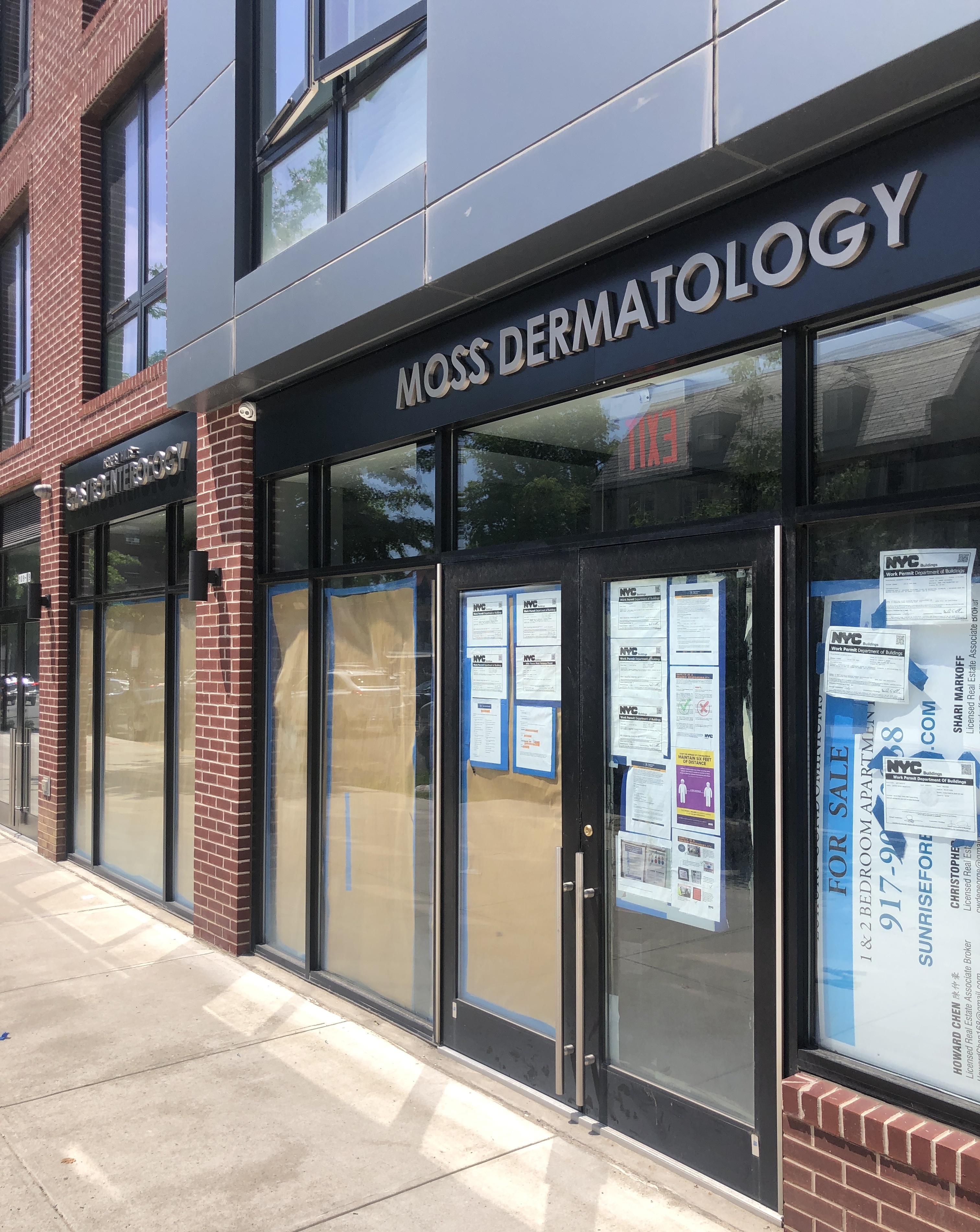
Storefront and building identification
| Sign type | What it is | Best for |
|---|---|---|
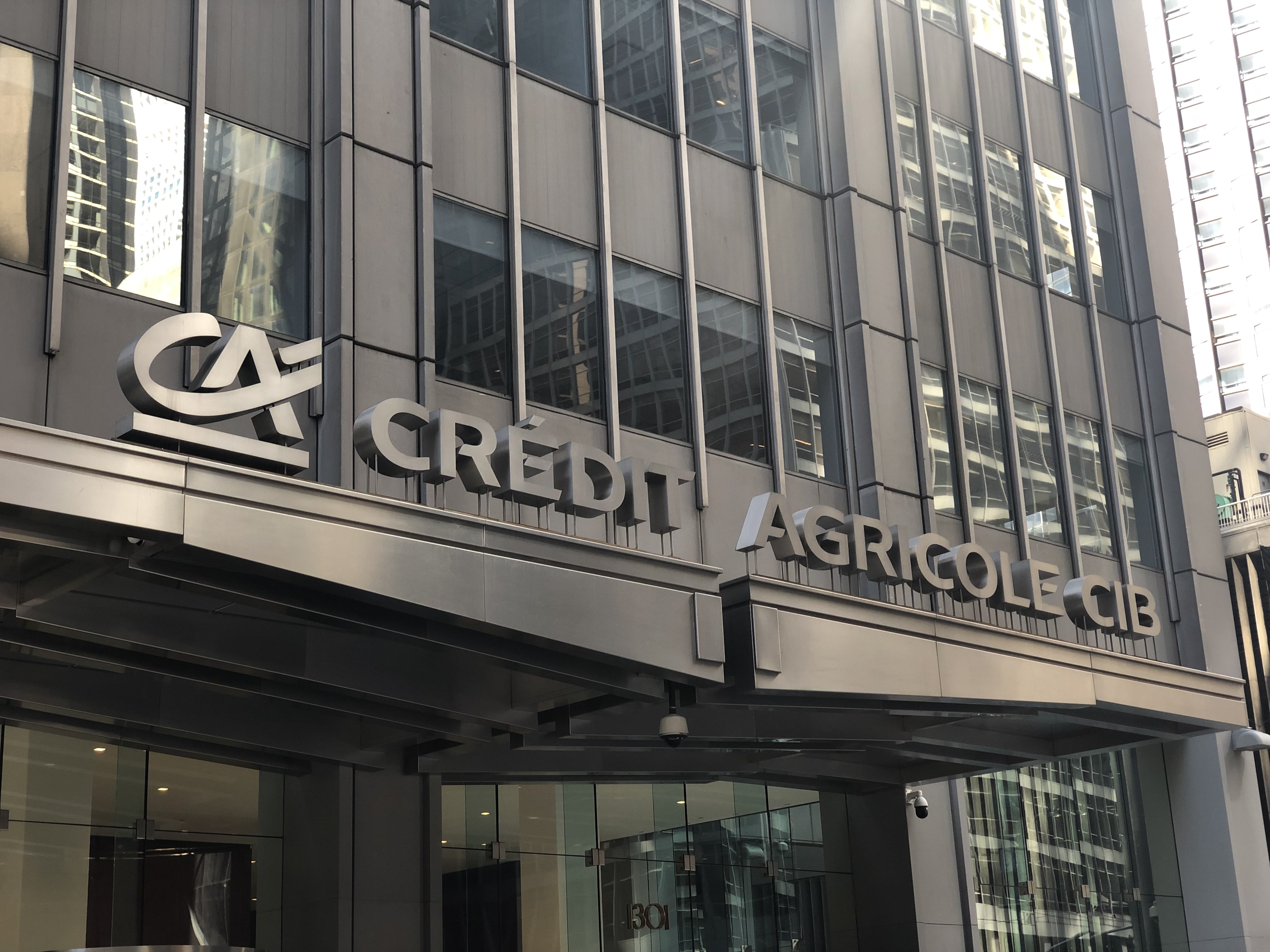
| Channel letters | Individual fabricated letters, face-lit or halo-lit, mounted directly to the facade or on a raceway. | Storefronts, retail units, restaurant frontages, any business that needs to read at night. |
| Backlit letters | Letters lit from behind so the light washes the wall and the letter reads as a silhouette. | Corporate frontages and lobbies visible from the street, where the effect matters more than raw brightness. |
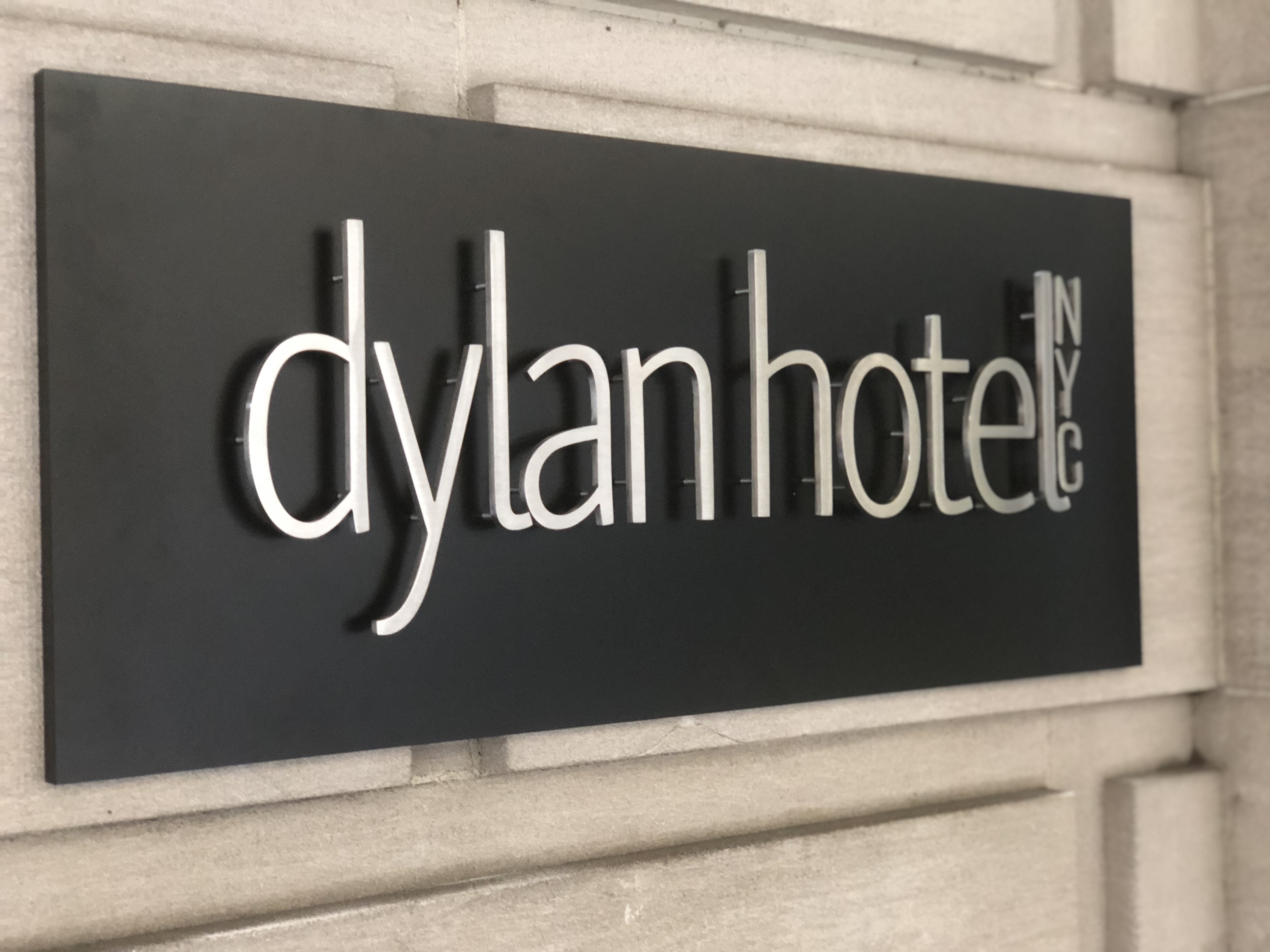
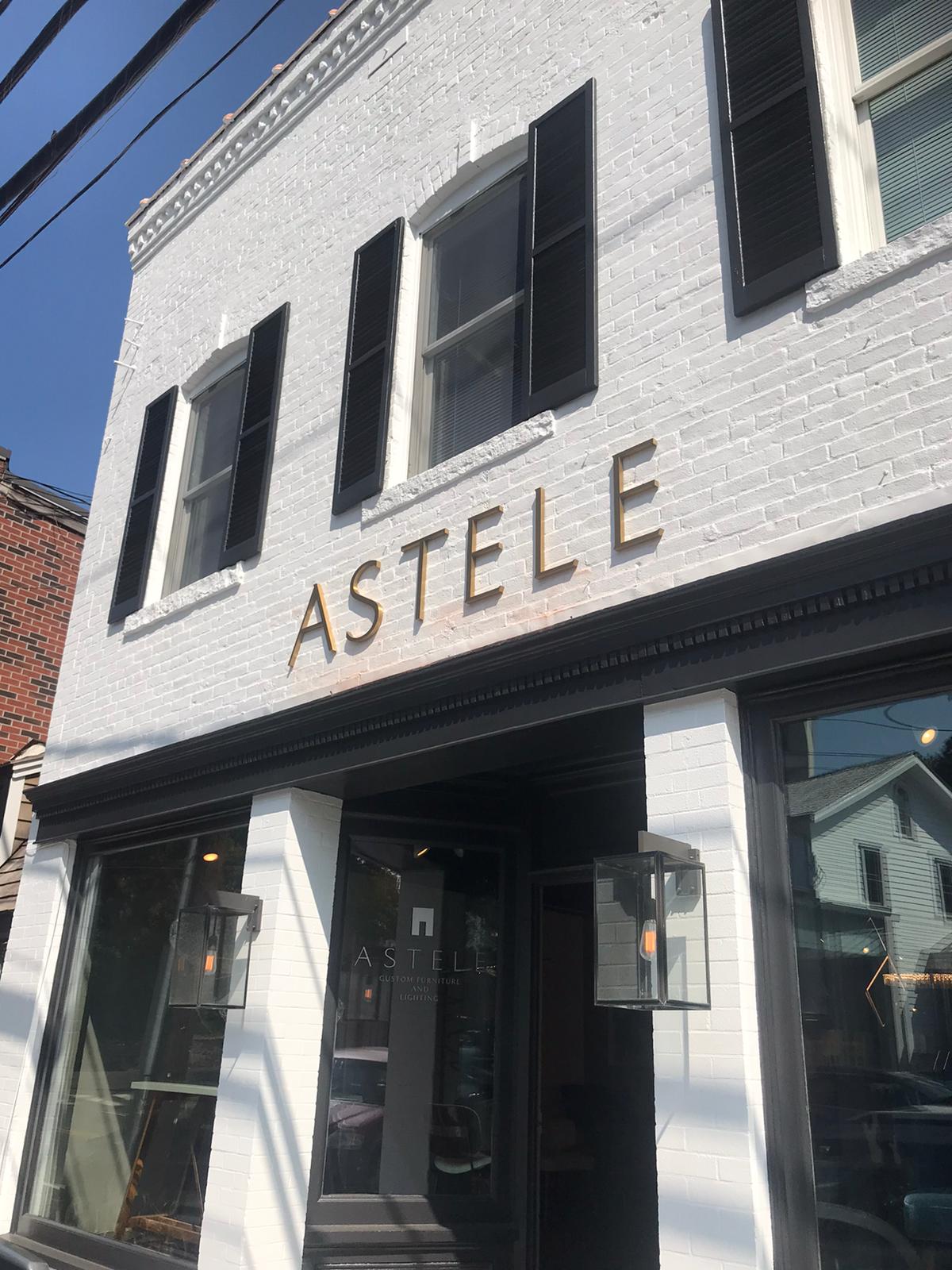
| Fabricated metal letters | Cut, formed and welded letters in aluminum, brass, bronze, copper or stainless, finished in house. | Building identification, entrances and anywhere a permanent, non-illuminated mark is wanted. |
| Acrylic letters and signs | Cut acrylic in solid color or with applied finishes, flat or dimensional. | Cost-sensitive frontages and signs that need a clean face without the weight of metal. |
| Light box signs | An illuminated cabinet with a printed or cut translucent face. | Signs that need to carry more than a name: menus, service lists, multi-tenant panels. |
Glass, frontage and site
| Sign type | What it is | Best for |
|---|---|---|
| Awnings and canopies | Printed or applied graphics on a fabricated frame over an entrance or window line. | Adding frontage where the facade is small, and shelter where the entrance needs it. |
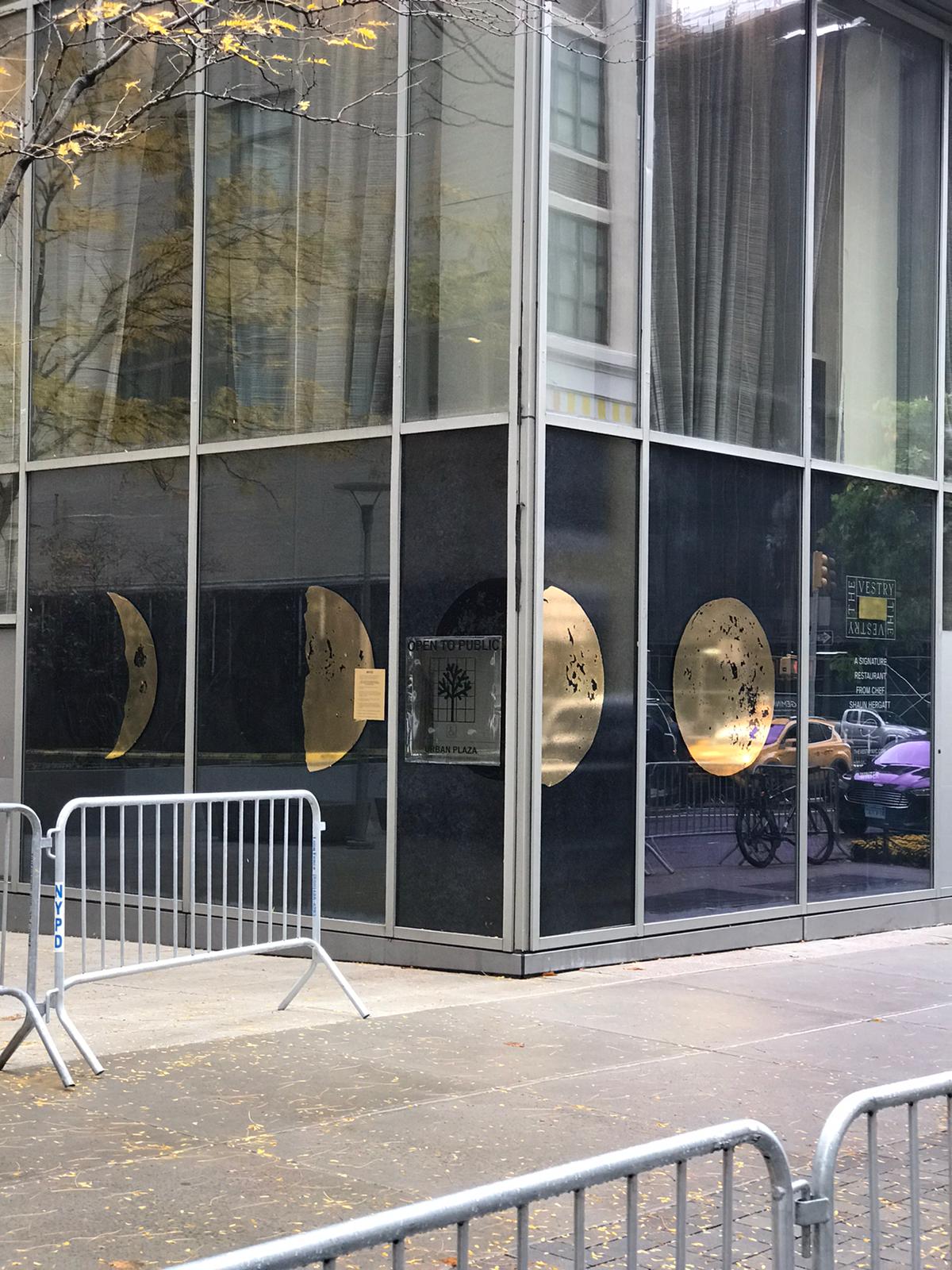
| Window graphics | Printed and cut vinyl applied to the inside or outside of storefront glass. | Promotions, opening hours, service lists and anything that changes more than once a year. |
| Window film | Frosted, etched-effect or patterned film applied to glass. | Privacy at ground level and branding on glass that has to stay light. |
| Vinyl signs and lettering | Cut or printed vinyl applied to glass, panels, doors and site hoarding. | Fast, inexpensive exterior identification and temporary messaging. |
| Banners | Printed banner media, hemmed and eyeleted, for temporary exterior display. | Openings, events, seasonal promotions and construction hoarding. |
Navigation, identification and architectural
| Sign type | What it is | Best for |
|---|---|---|
| Wayfinding signs | A coordinated set of directional, identification and regulatory signs across a site. | Campuses, multi-building sites, car parks and anywhere visitors arrive without knowing the layout. |
| Architectural signage | Signage designed as part of the building rather than applied to it. | New builds, refits and developments where the signage is specified alongside the facade. |
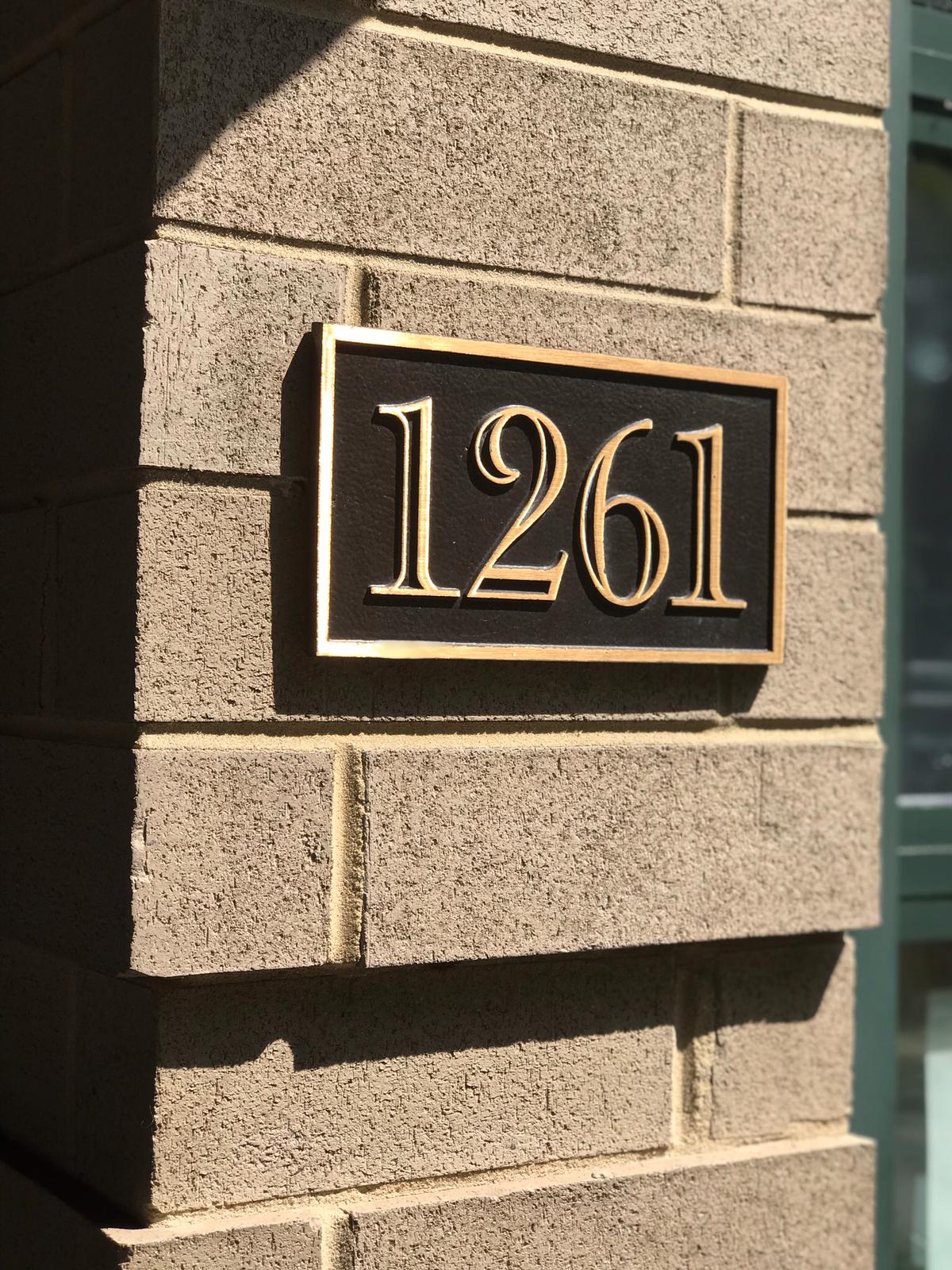
| Plaques | Cast, etched or engraved plates in metal, glass, acrylic or laminate. | Entrance identification, dedications, building numbers and professional practices. |
| Etched plaques | Chemically etched metal with recessed detail, filled or left bare. | Fine text and detailed marks that need to survive weather and handling. |
Does your exterior sign need to be lit?
This is the first real decision on most exterior projects and the one that moves the budget most. It is worth answering plainly rather than selling upward.
| Choose | When | What it costs you | What it gets you |
|---|---|---|---|
| Non-illuminated | Daytime trade, an entrance that is already well lit, a landmarked or restricted facade, or a budget that is better spent on size and material quality. | Nothing to run. No power supply, no drivers to replace, no electrical inspection. | A sign that disappears after dark unless the building lights it. |
| Face-lit | Retail and hospitality frontages that trade in the evening and need to be read from across the street. | Power, a driver enclosure, and an electrical route to the sign. | The brightest and most direct night-time read. The default for storefronts. |
| Halo-lit | Corporate frontages, hotels and offices where the effect should look considered rather than loud. | The same as face-lit, plus a wall surface that is flat and clean enough to take the light well. | A softer, more expensive-looking result that photographs well and reads clearly at night. |
| Externally lit | Landmarked facades and situations where the sign itself cannot be electrified. | Fixtures, a mounting point, and a lighting design that does not glare. | Night-time visibility without modifying the sign or the facade behind it. |
Velement fabricates all four. If you are unsure, the site survey answers it faster than a conversation does: we photograph the frontage after dark and show you what the street actually sees.
What exterior signage has to survive here
Every exterior sign in the city is exposed to the same four things, and they are the reason exterior signage costs more than interior signage of the same size.
- Ultraviolet exposure. Sun and color. Ultraviolet light fades pigment and yellows some plastics. Cast vinyl and UV-stable acrylics hold color for years; the cheap alternatives shift noticeably in one summer.
- Water and freeze-thaw. Water finds every unsealed seam and every unsealed fixing. Welded and sealed construction, drained cabinets and correctly specified fixings are the difference between a ten-year sign and a three-year one.
- Wind. Signs on tall frontages and rooflines take significant wind load, and the fixing has to be designed for the substrate it lands in as well as the sign it holds.
- Contact and cleaning. Street-level signage gets knocked, leaned on, washed, sprayed and occasionally hit. Material and edge detail matter more at eye level than anywhere else on the building.
We specify exterior signage for the position it will occupy, not as a single default. A sign twenty feet up and a sign beside a doorway have different failure modes and should not be built the same way.
Permits, approvals and compliance
Most permanent exterior signage in New York City needs approval before it goes up, and what applies depends on the sign, the building and the zoning district. Buildings in historic districts and individually landmarked buildings have an additional layer of approval. Installation work on the building envelope has its own licensing requirements.
Velement coordinates this as part of the project rather than leaving it with the client. We establish what is required for your address before design is finalized, so the sign that gets designed is a sign that can be approved.
Exterior signage by property type
| Property type | What usually goes up | What the buyer is actually solving |
|---|---|---|
| Retail storefronts | Channel letters or a light box, window graphics, an awning, opening hours | Being noticed by people who were not looking for you, and being findable after dark. |
| Restaurants and bars | Illuminated letters, menu boards, awning, window vinyl, neon or LED neon | Communicating what kind of place this is from thirty feet away. |
| Office buildings | Building identification, entrance plaques, directory, address numbers | Making the building legible to visitors and couriers without a phone call. |
| Corporate headquarters | Halo-lit or fabricated letters, architectural signage, site wayfinding | Arrival experience. The sign is the first physical thing a visitor sees. |
| Hotels and hospitality | Illuminated identification, canopy branding, directional signage | Being found at night by someone arriving from an airport, often for the first time. |
| Healthcare and clinics | Entrance identification, wayfinding, accessible signage, parking signs | Getting anxious or unwell visitors to the right door with no wrong turns. |
| Multi-site brands | A repeatable exterior sign package deployed across locations | Consistency between sites, and a supplier who can hold the standard across all of them. |
| Property and facilities | Property identification, parking and site signage, hoarding, tenant panels | Managing a building that other people have to navigate without help. |
From site survey to switch-on
- Site survey. We visit the site, photograph the frontage by day and after dark, measure the available area, check the substrate behind it and identify the power route if the sign is to be lit. Everything that follows depends on this being done properly.
- Compliance check. We establish what approvals the address and the building require before the design is fixed, so nothing has to be redrawn later.
- Design and visual. You see the sign on a photograph of your own building, at the size and position it will occupy, by day and at night if it is illuminated.
- Technical drawings. Drawings, fixing details and material specification, issued for approval before anything is cut.
- Fabrication. Cut, formed, welded, finished and, where relevant, wired and tested in our workshop. Illuminated signs are lit and checked before they leave.
- Installation and handover. Our crews install, connect and commission. We clear the site and hand over photographs of the finished work.
One team from survey to installation
| What it means for the project | |
|---|---|
| We fabricate | The letters, cabinets and panels are made in our own workshop. Nothing is ordered in and badged. If a detail needs changing, it changes on the bench rather than in a supplier’s queue. |
| We install | Our own crews fit the work. The people who made the sign are accountable for how it goes up, which removes the argument that follows every failed handover. |
| We survey first | Exterior pricing without a survey is guesswork. We look at the building before we quote, and the quote reflects the building rather than a standard rate. |
| We handle approvals | Compliance is part of the project, not a task handed back to the client halfway through. |
| We work across the range | Illuminated and non-illuminated, permanent and temporary, one storefront or a package repeated across sites. |
Frequently Asked Questions About Exterior Signage
What is exterior signage?
Exterior signage is any sign fitted to the outside of a building or on its site: storefront and building identification, illuminated and non-illuminated letters, awnings, window graphics, wayfinding, parking and site signs, plaques and banners. It is built to withstand weather, sunlight and wind, and in most cases it requires approval before installation.
How much does exterior signage cost in NYC?
It depends on size, illumination, material and access. A vinyl storefront application is a few hundred dollars; a set of illuminated channel letters on a second-floor frontage runs into the thousands once fabrication, electrical work and installation access are included. The three things that move the price most are whether the sign is lit, how high it sits, and what the facade is made of. We survey before we quote so the number you get is the number you pay.
Do I need a permit for an exterior sign in New York City?
In most cases yes, for permanent signage. What applies depends on the sign, the building and the zoning district, and buildings in historic districts have an additional approval step. Velement establishes what your address requires before design is finalized and coordinates the approvals as part of the project.
How long does exterior signage last?
A properly specified and installed exterior sign should give you well over a decade. What shortens that is almost always specification rather than age: calendered vinyl used where cast was needed, unsealed seams, fixings chosen for the sign rather than the substrate, or non-UV-stable material on a south-facing frontage.
Can you match signage across several locations?
Yes. We hold the specification, artwork and fabrication details so a sign installed at your fifth site matches the one at your first, including finish and illumination. This is a common reason multi-site brands move away from using a local supplier at each location.
What is the difference between exterior signage and interior signage?
Exterior signage is built for weather, distance and compliance; interior signage is built for appearance, proximity and accessibility requirements. The materials, construction and approval routes are different, and so are the failure modes. Velement makes both. See our interior signage page for work inside the building.
Do you install, or do I need my own contractor?
We install. Our crews carry out the fitting, electrical connection and commissioning, and we hand over photographs of the completed work.
Can a sign go on a landmarked or historic building?
Often yes, with the right approval and the right fixing approach. The design usually has to work within constraints on size, illumination and how the sign attaches to the facade. We identify those constraints at survey stage rather than after the design is approved internally.
View Our Projects