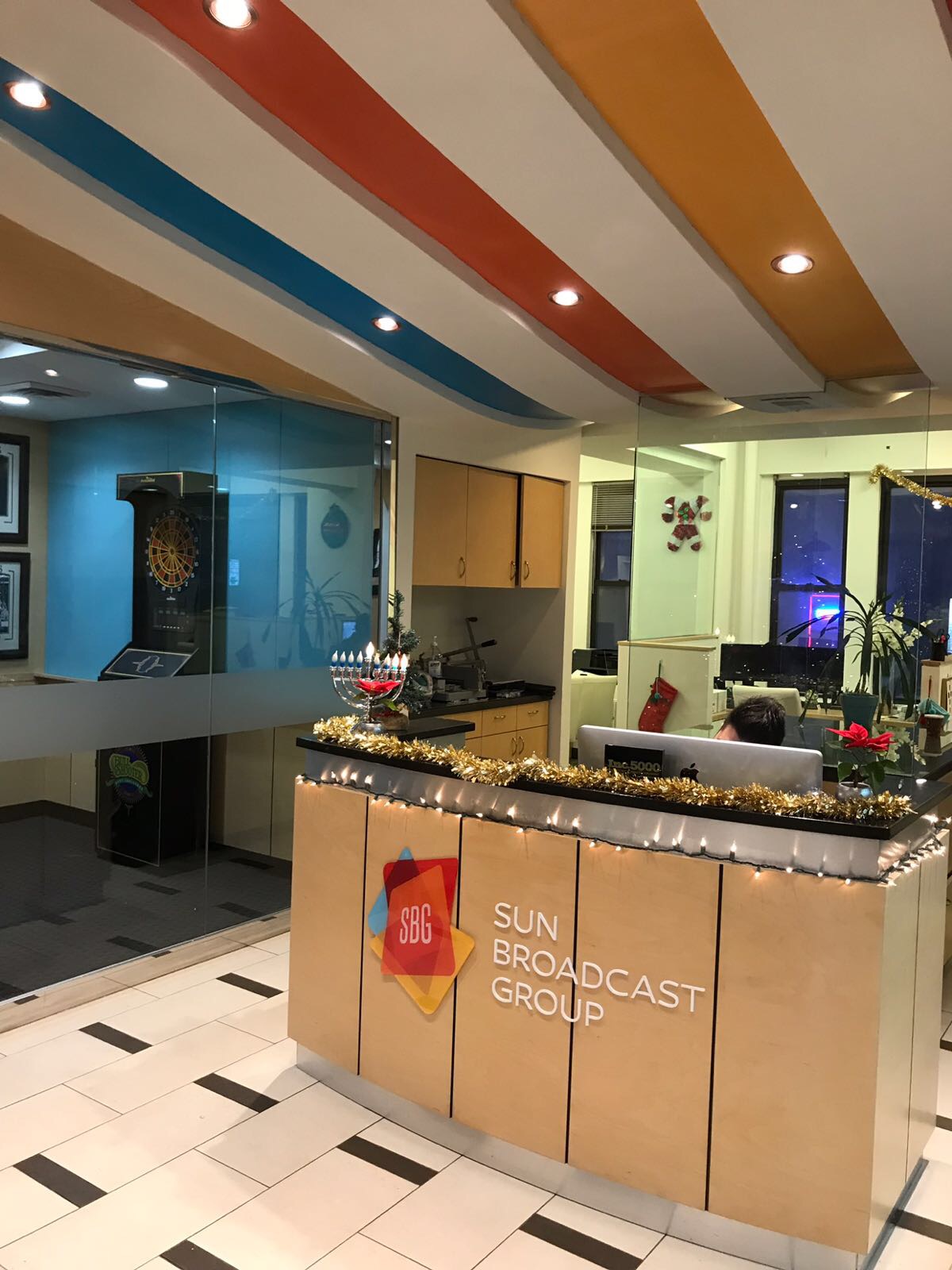
Interior Signage in New York
Velement designs, fabricates and installs interior signage for offices, retail, hospitality and healthcare across New York City and the tri-state area. Lobby branding, ADA-compliant signs, wayfinding, room identification, wall graphics and dimensional letters, made in our own workshop.
From a single reception sign to a coordinated signage package across an entire floor plate. Survey, design, fabrication and installation from one team.
Inside the building, signage stops selling and starts working
An exterior sign has one job: be seen. Interior signage has several, and most of them are invisible when they are done well. It tells a visitor which floor they want and which way to turn. It identifies the room they have been sent to. It satisfies the accessibility requirements that apply to permanent rooms and spaces. And, in the moments between all of that, it carries the brand at close range, where every edge, joint and finish is visible from two feet away.
That last point is what makes interior signage unforgiving. An exterior sign is read at distance, at speed, often in poor light. An interior sign is read by someone standing still, close enough to see a rough edge, a misaligned fixing or a laminate that has started to lift. The tolerance for poor fabrication is far lower inside than out.
Velement makes interior signage in its own workshop, which means the finish is controlled by the people accountable for it. We work from your floor plans and your brand guidelines, produce a coordinated scheme rather than a set of unrelated signs, and install it ourselves.
Every interior sign type, made in one workshop
Identity and branding
| Sign type | What it is | Best for |
|---|---|---|
| Dimensional metal letters | Cut, formed and finished letters in aluminum, brass, bronze, copper or stainless. | Reception walls, boardrooms and anywhere the brand should read as permanent. |
| Acrylic letters | Cut acrylic letters, flat or dimensional, in solid color or with applied finishes. | Reception and office branding where weight and budget both matter. |
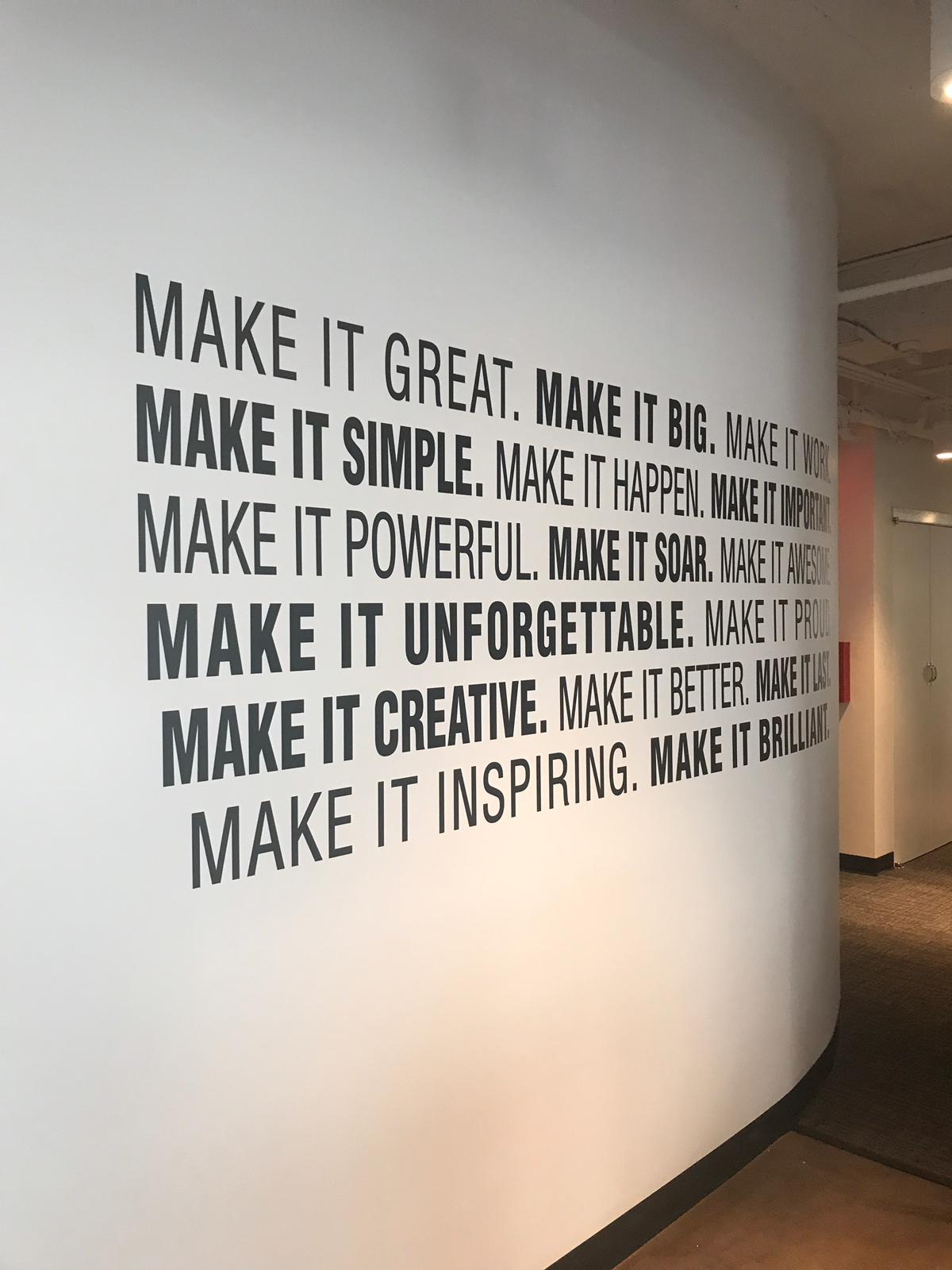
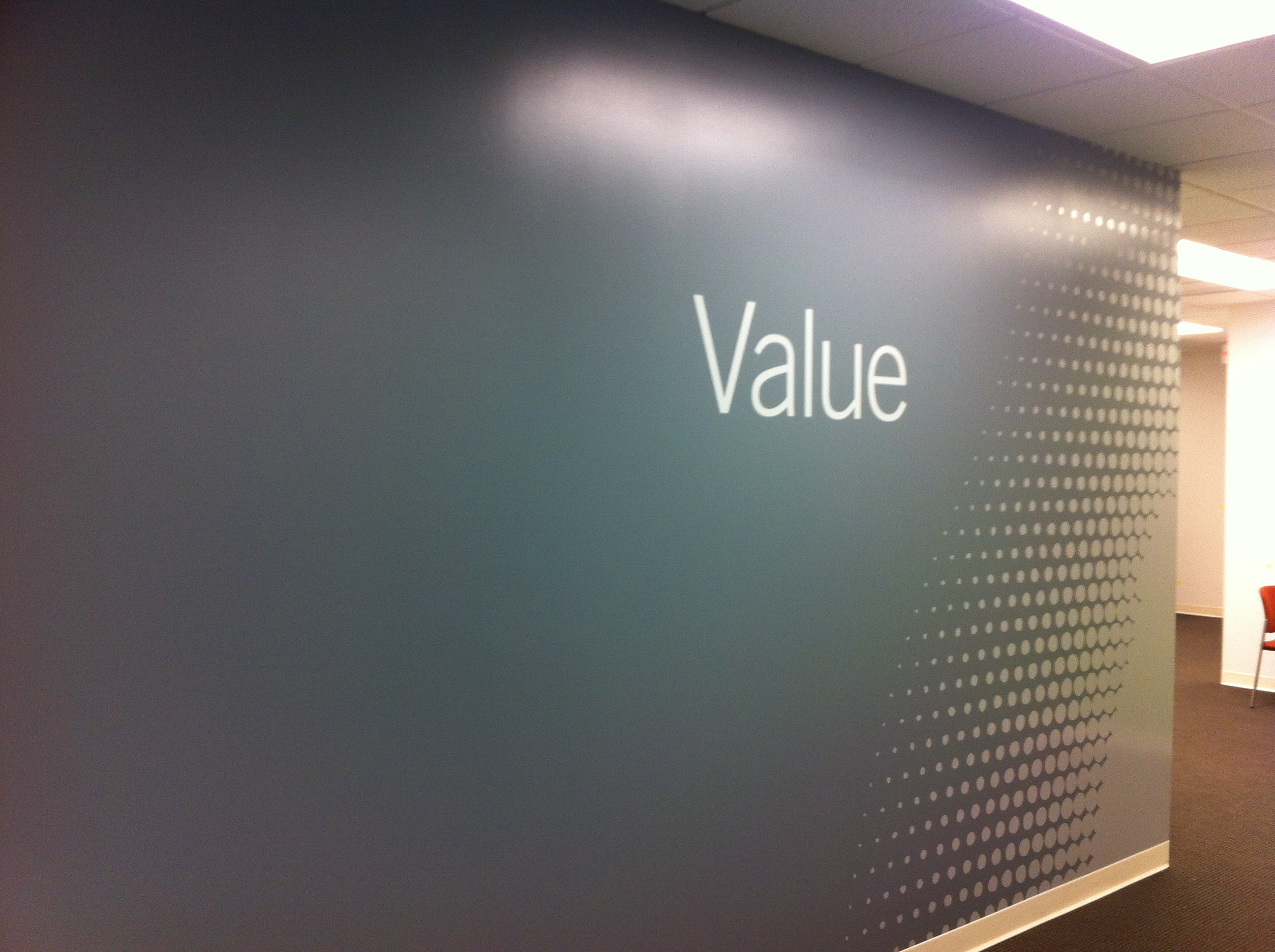
| Acrylic signs and panels | Standoff-mounted acrylic panels, printed or face-applied. | Room identification, values walls, directories and anywhere a clean floating panel suits the interior. |
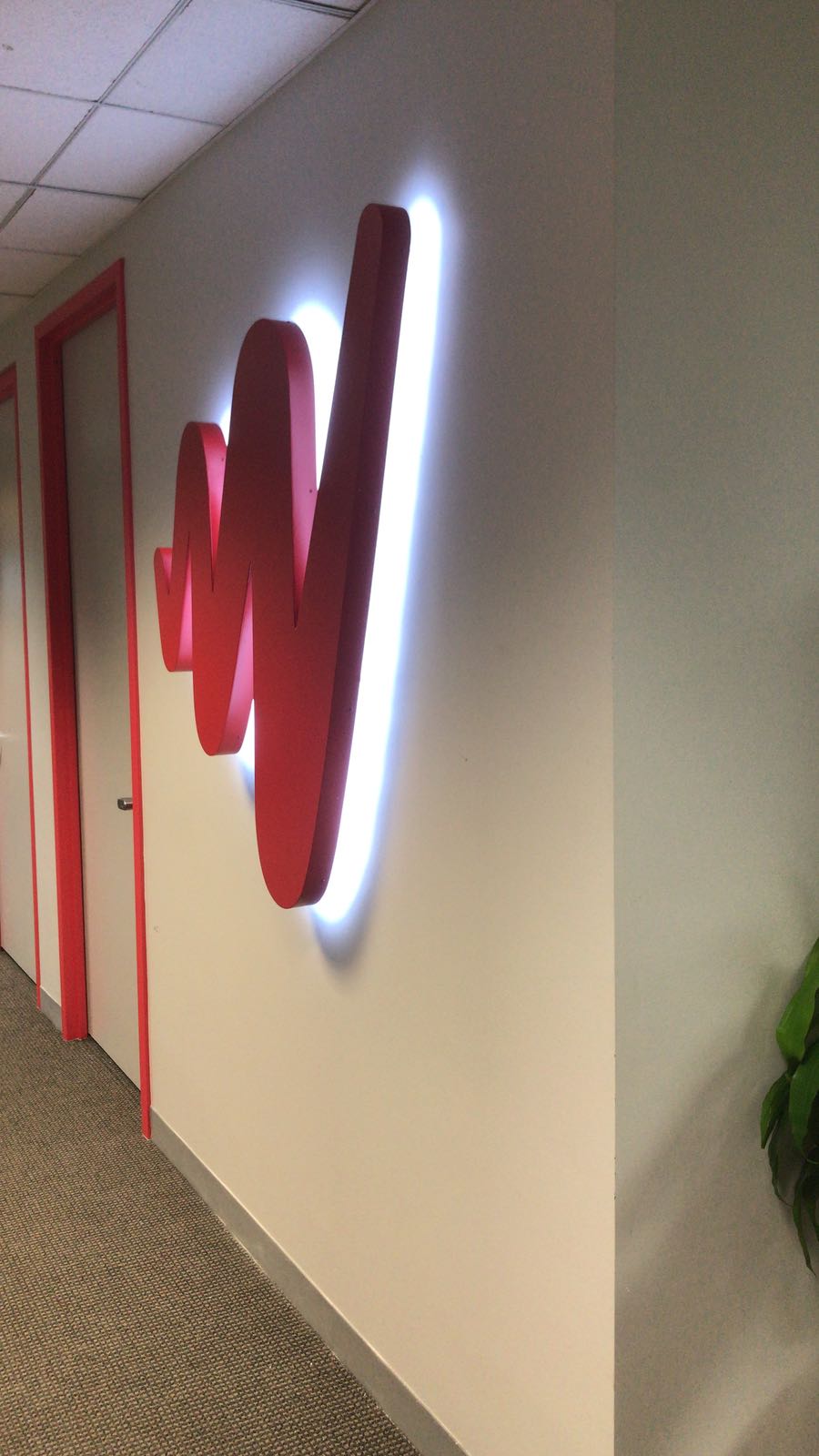
| Backlit letters | Letters lit from behind so the light washes the wall behind them. | Reception walls that need presence without a bright illuminated face. |
| LED neon signs | Flexible LED formed into continuous line work. | Hospitality, retail and studio interiors where the sign is part of the decor. |
| Plaques | Cast, etched or engraved plates in metal, glass, acrylic or laminate. | Dedications, recognition walls, suite identification and professional practices. |
Navigation and compliance
| Sign type | What it is | Best for |
|---|---|---|
| Wayfinding signage | A coordinated set of directional, identification and informational signs across a floor or building. | Multi-floor offices, healthcare, education and anywhere visitors arrive without knowing the layout. |
| ADA signage | Signs meeting the ADA Standards for permanent rooms and spaces, with tactile characters and Braille. | Any space open to the public or occupied by staff. This is a requirement, not an option. |
| ADA restroom signs | Compliant restroom identification, including tactile and pictogram requirements. | The single most commonly cited interior sign in accessibility complaints. |
| Office signs | Door, desk, department and meeting room identification, usually as a system. | Offices where names and functions change and the signage has to keep up. |
| Architectural signage | Signage designed as part of the interior rather than applied to it. | Fit-outs and new builds where signage is specified alongside the finishes. |
Surfaces, glass and light
| Sign type | What it is | Best for |
|---|---|---|
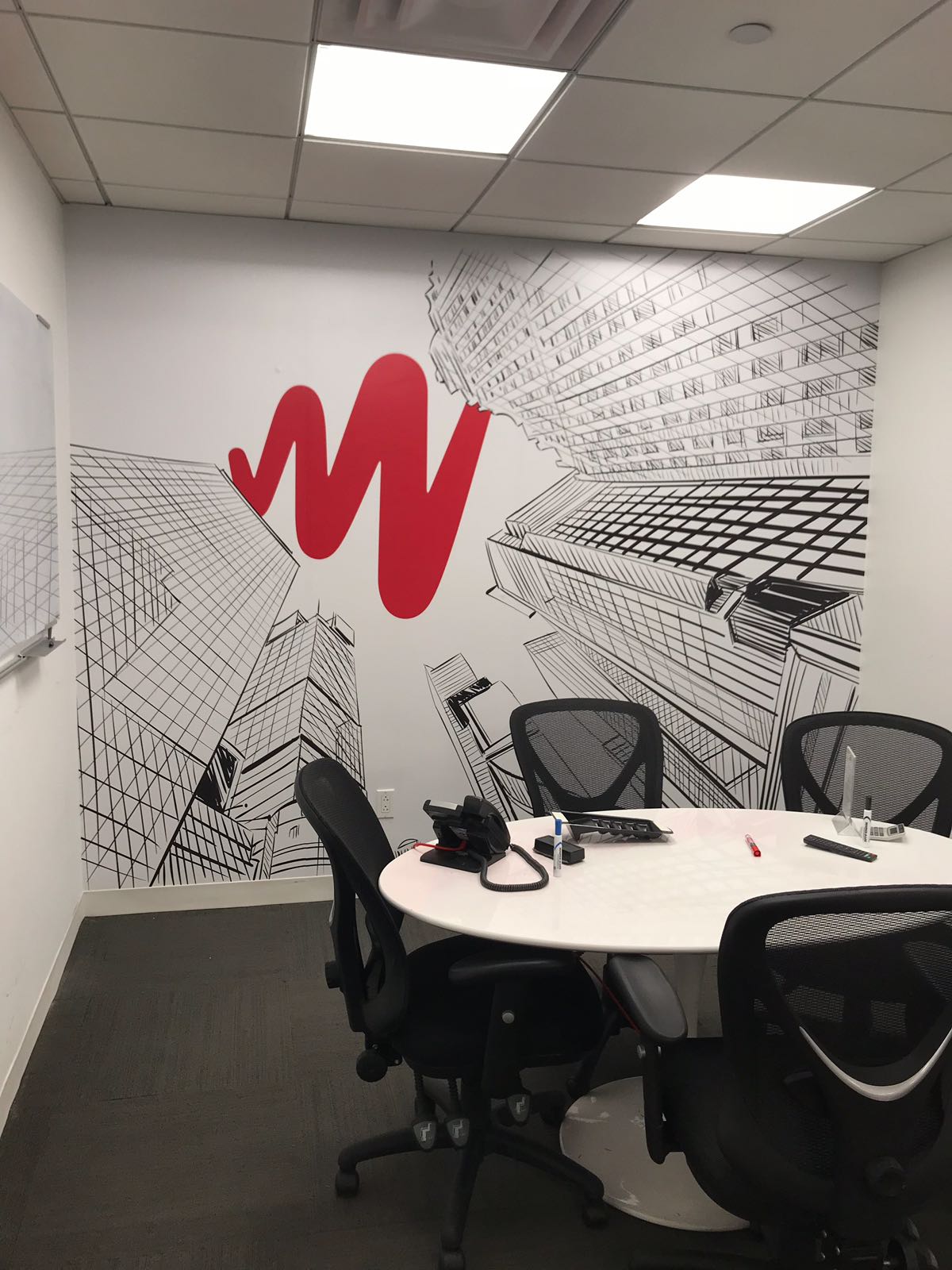
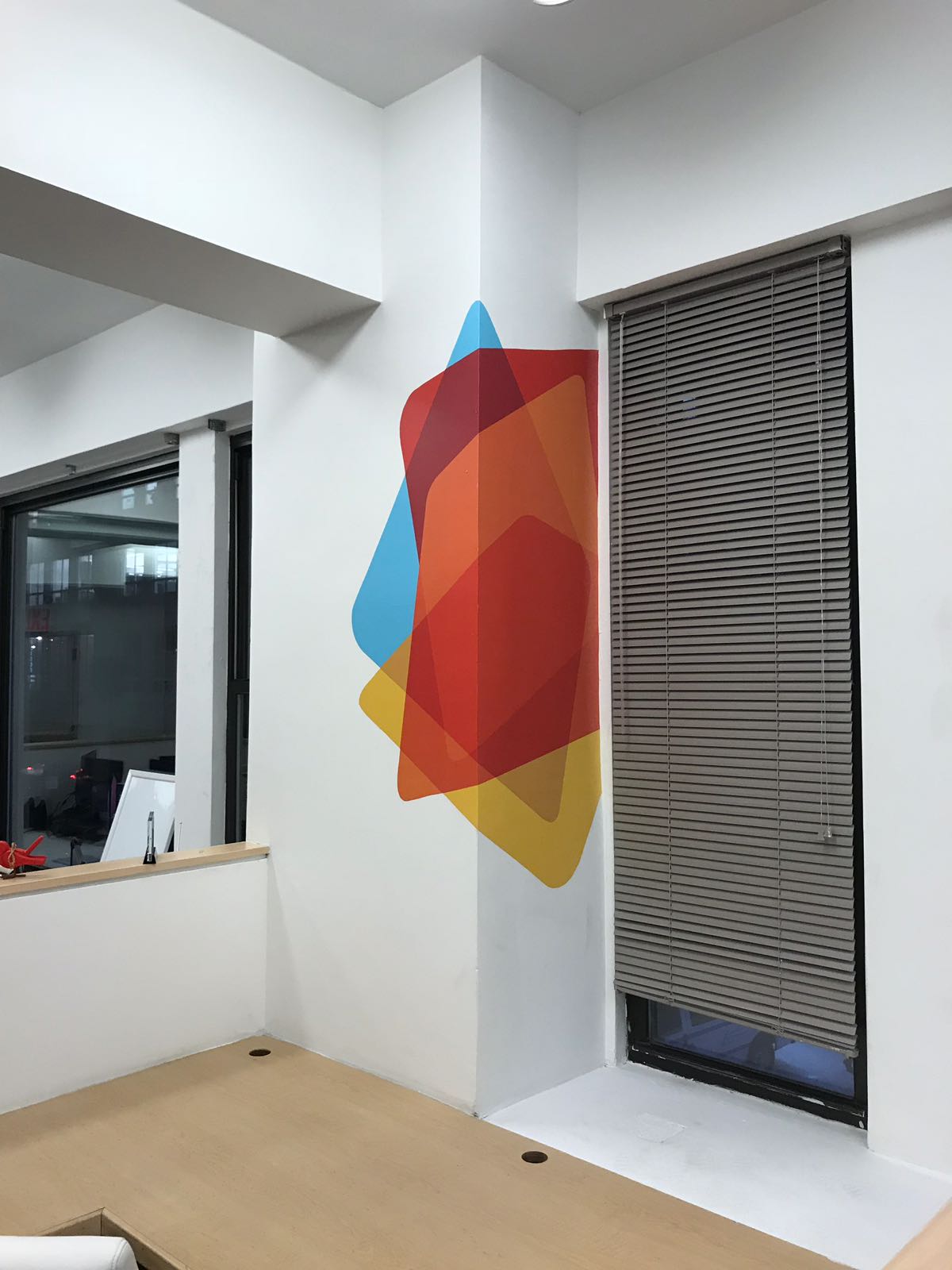
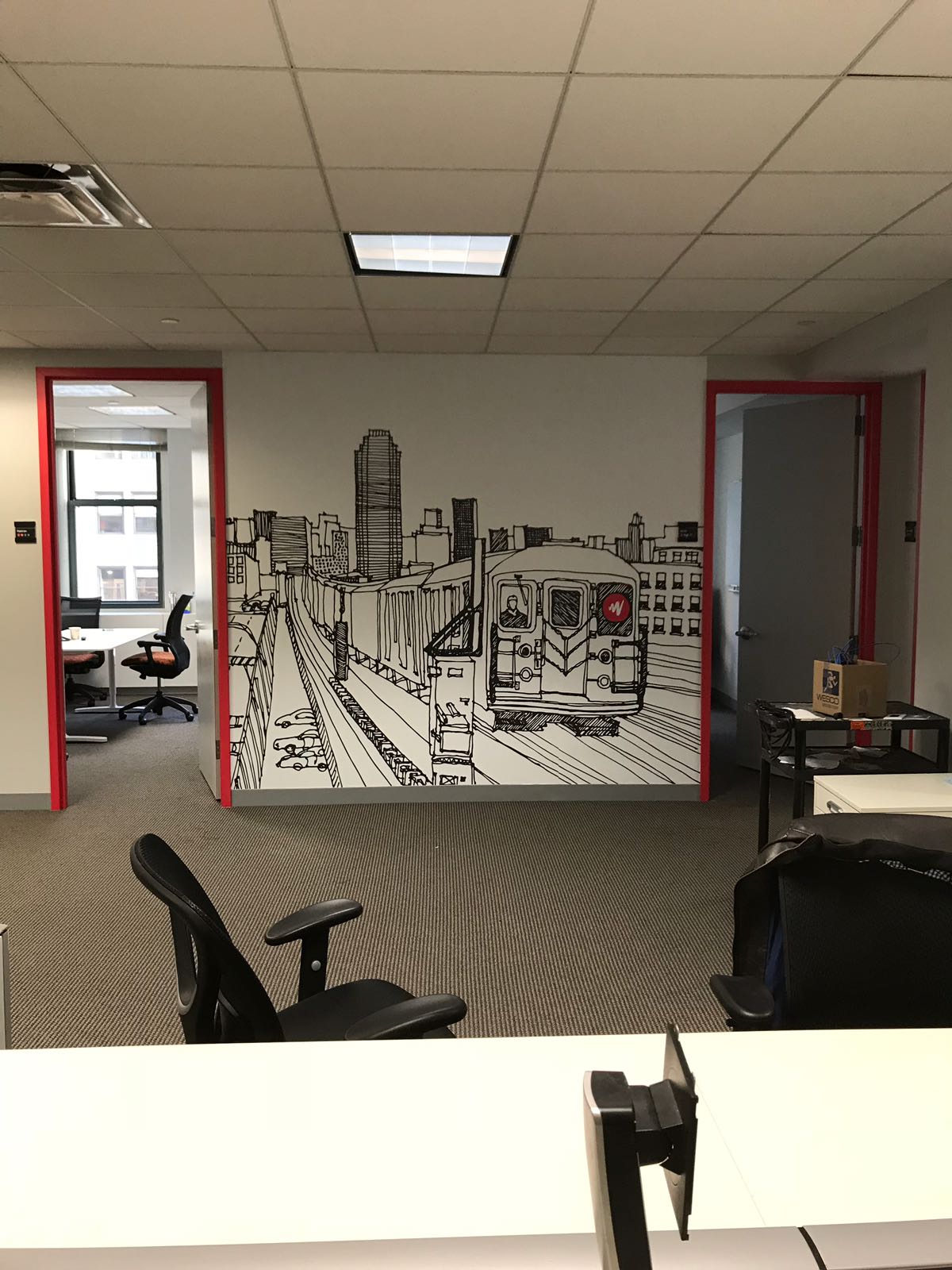
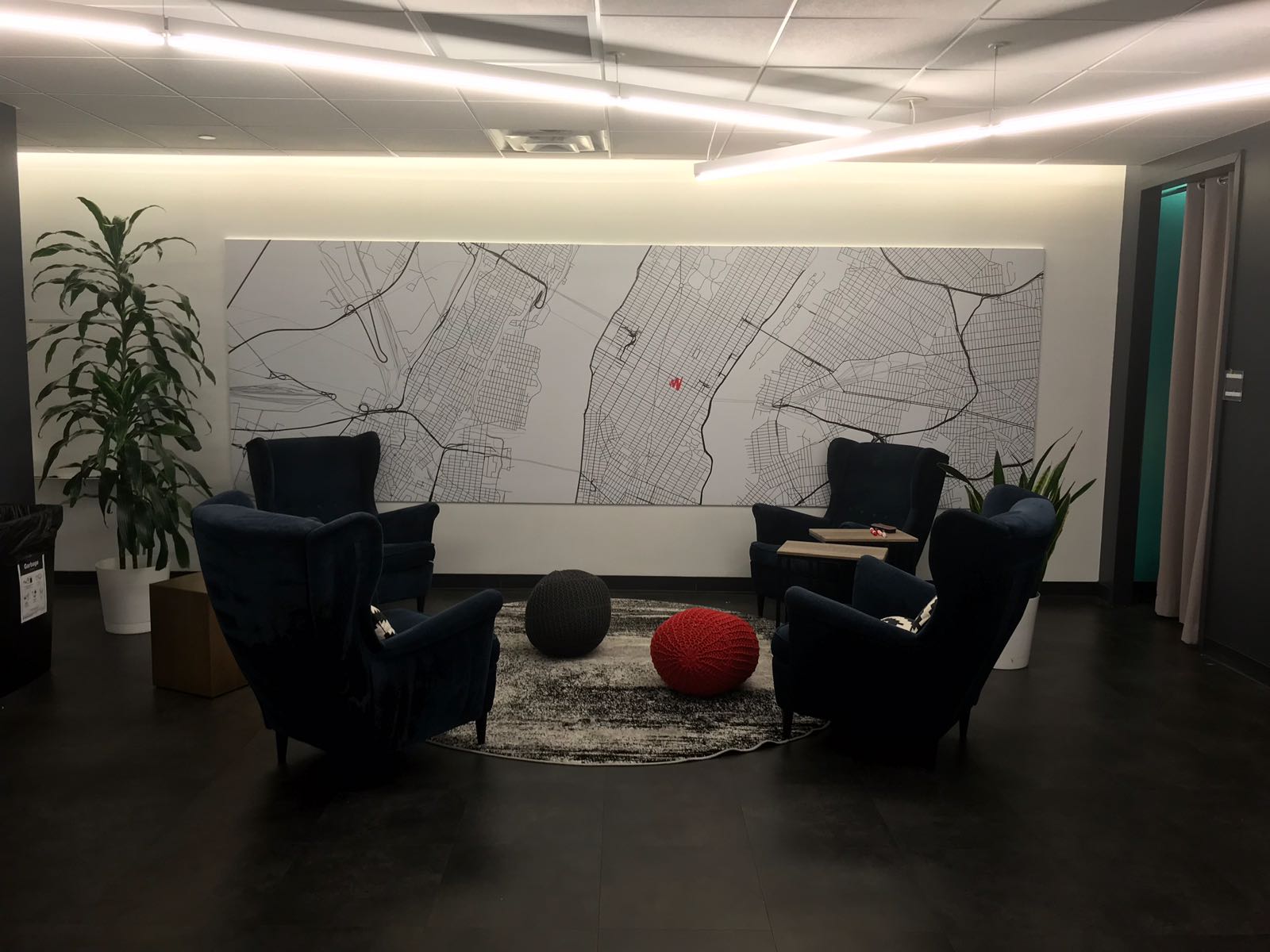
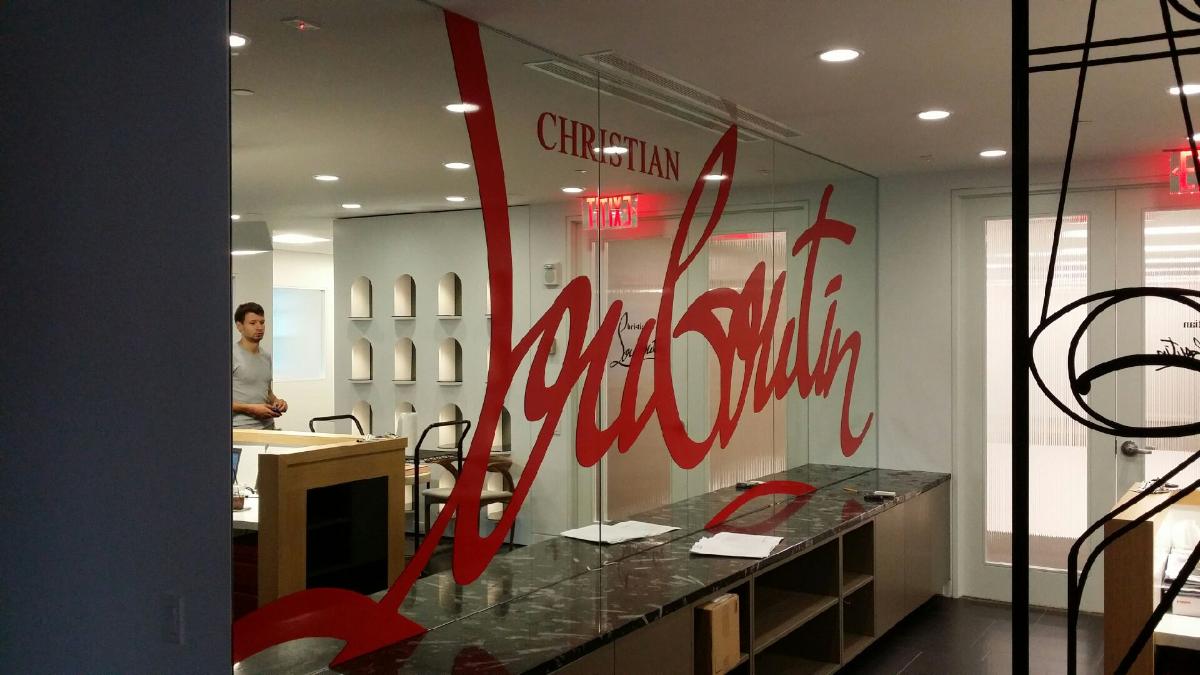
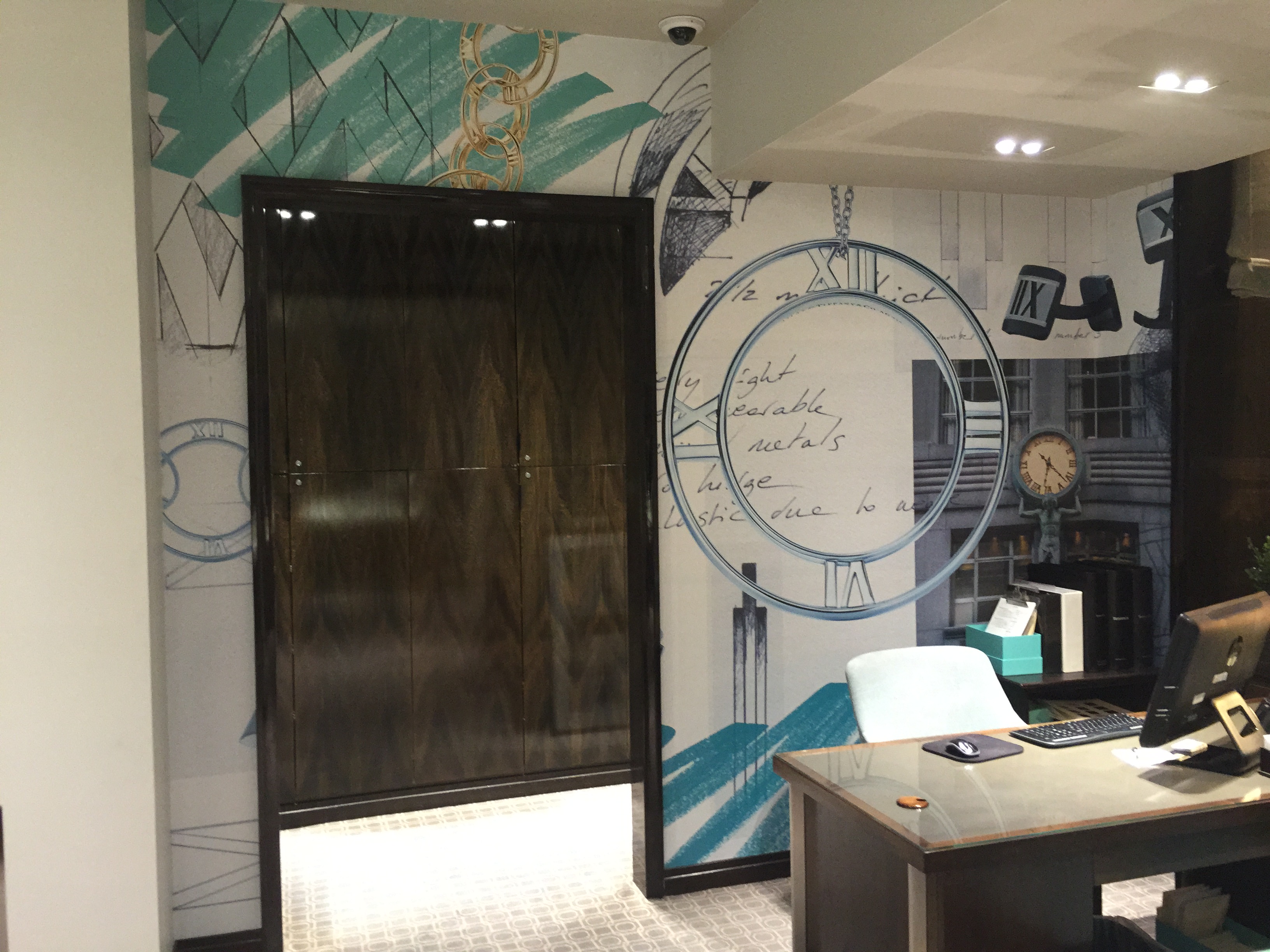
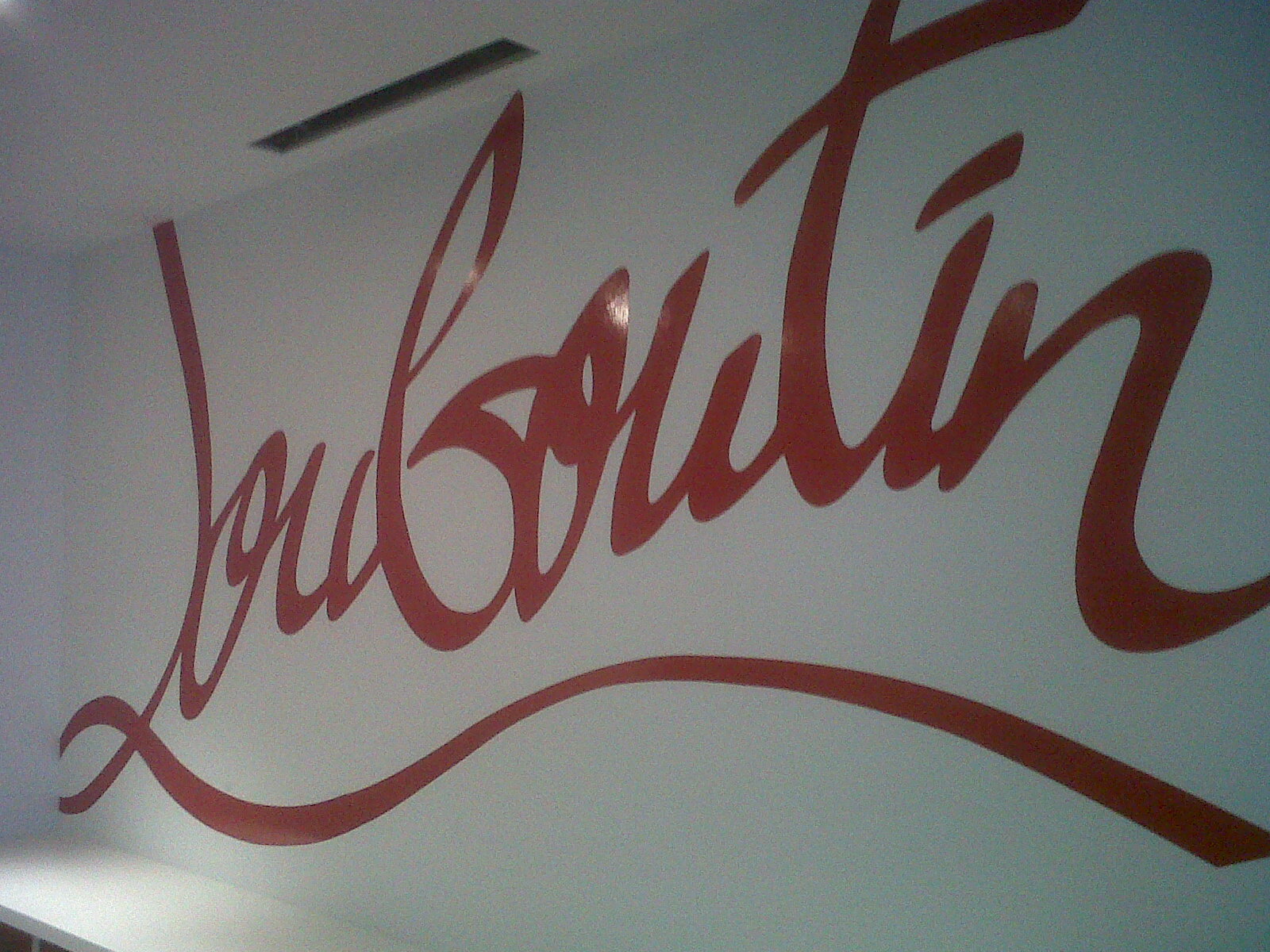
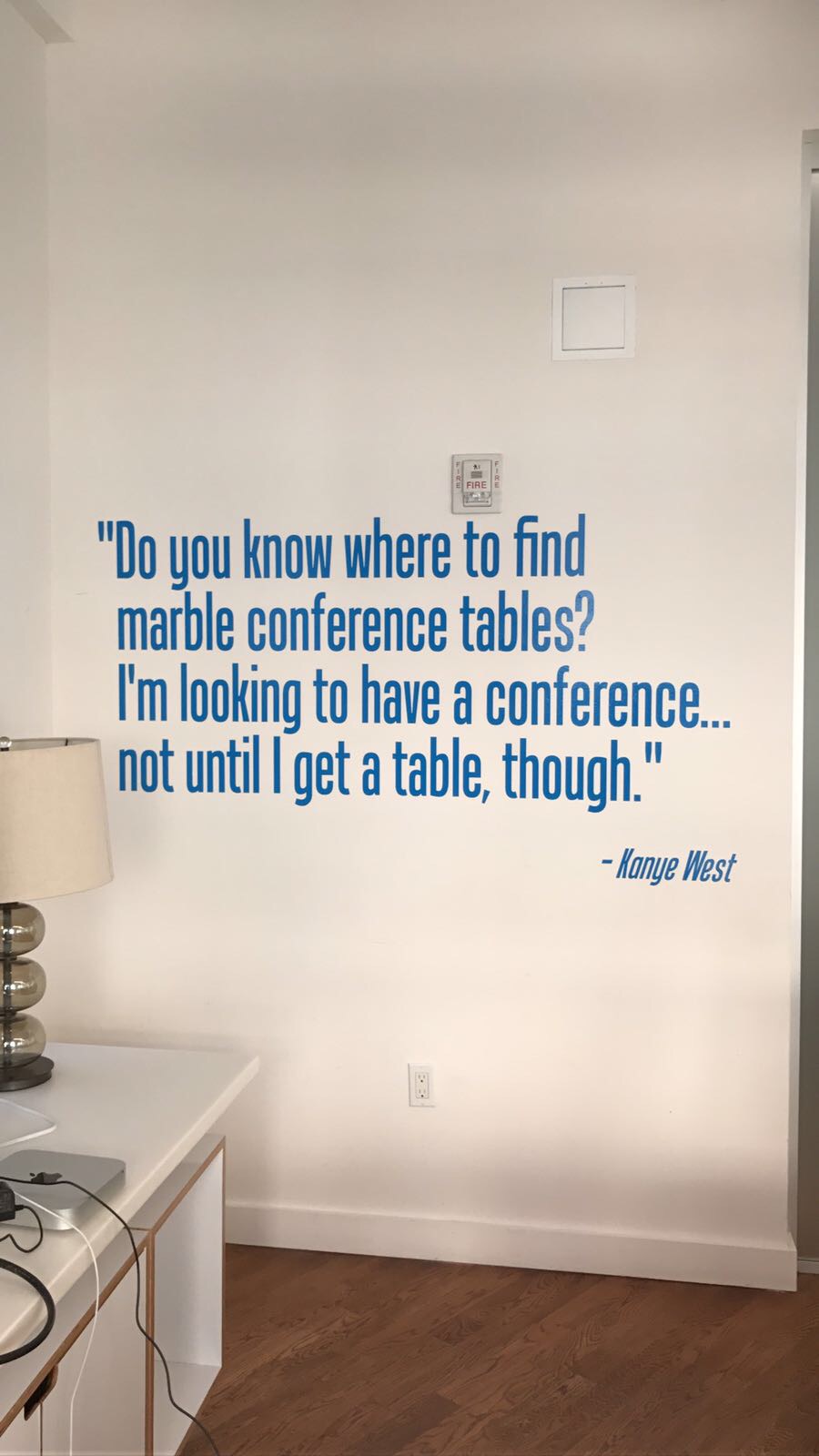
| Wall murals and graphics | Large-format printed graphics applied directly to interior walls. | Feature walls, breakout spaces, corridors and retail environments. |
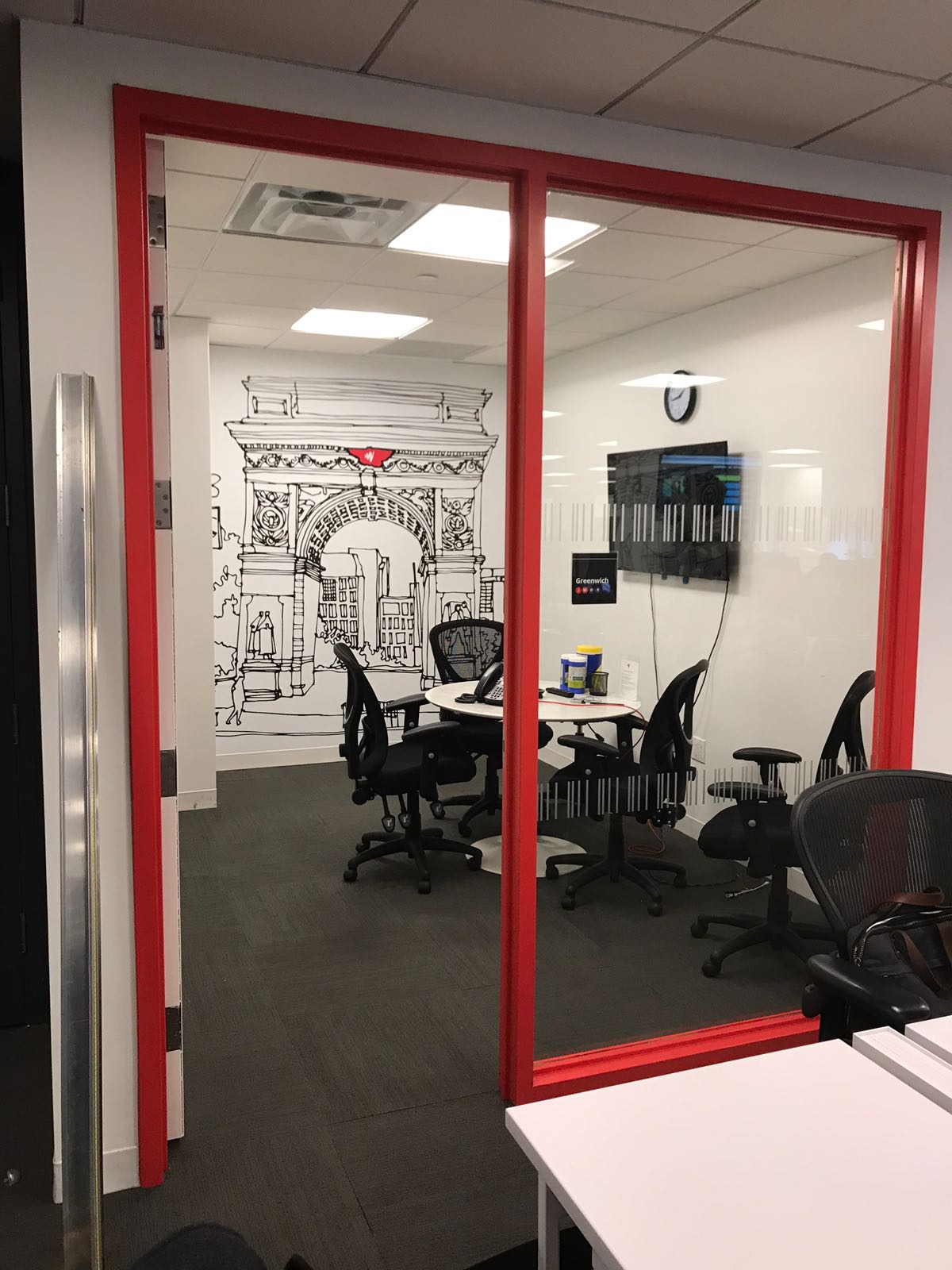
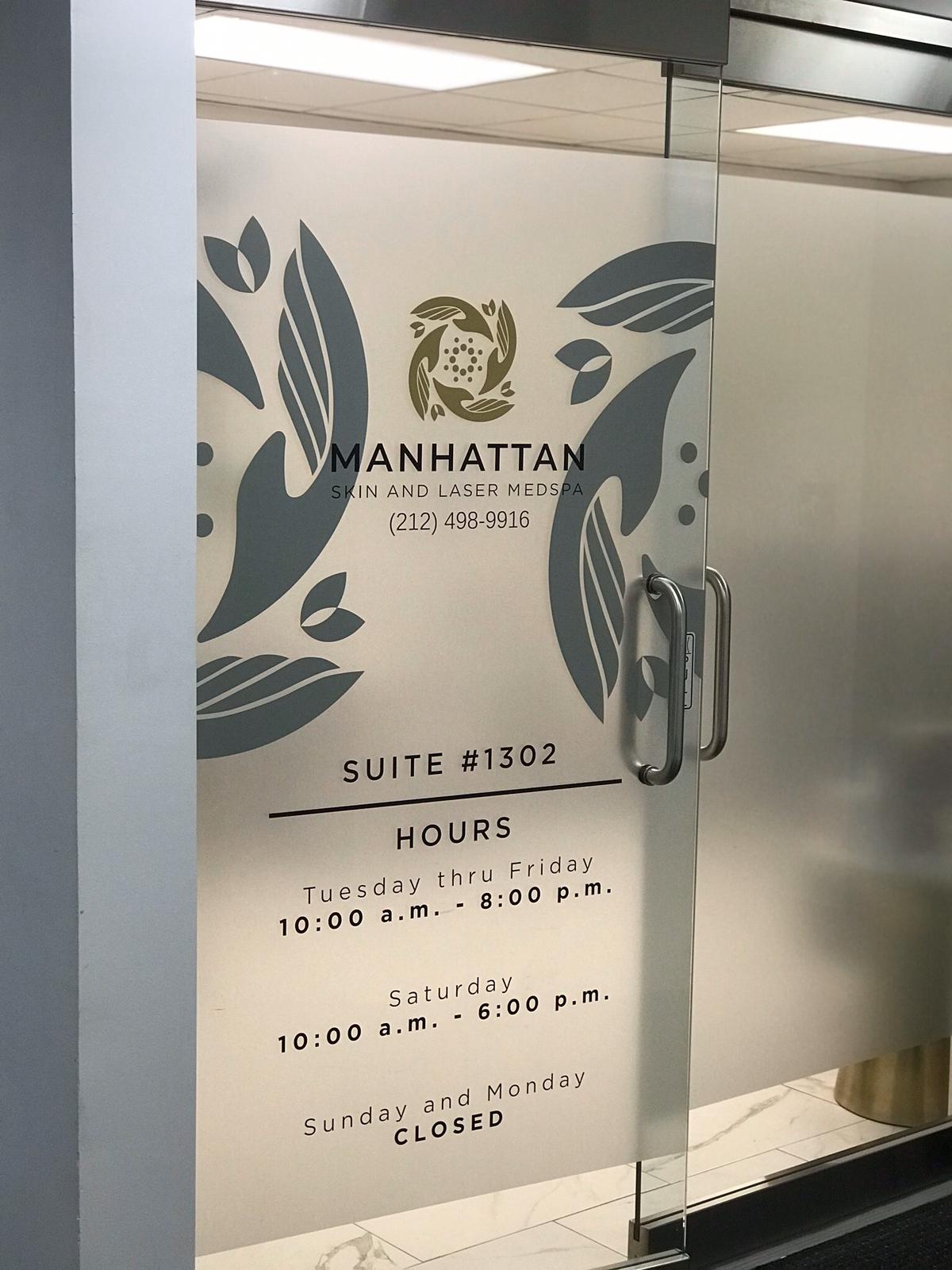
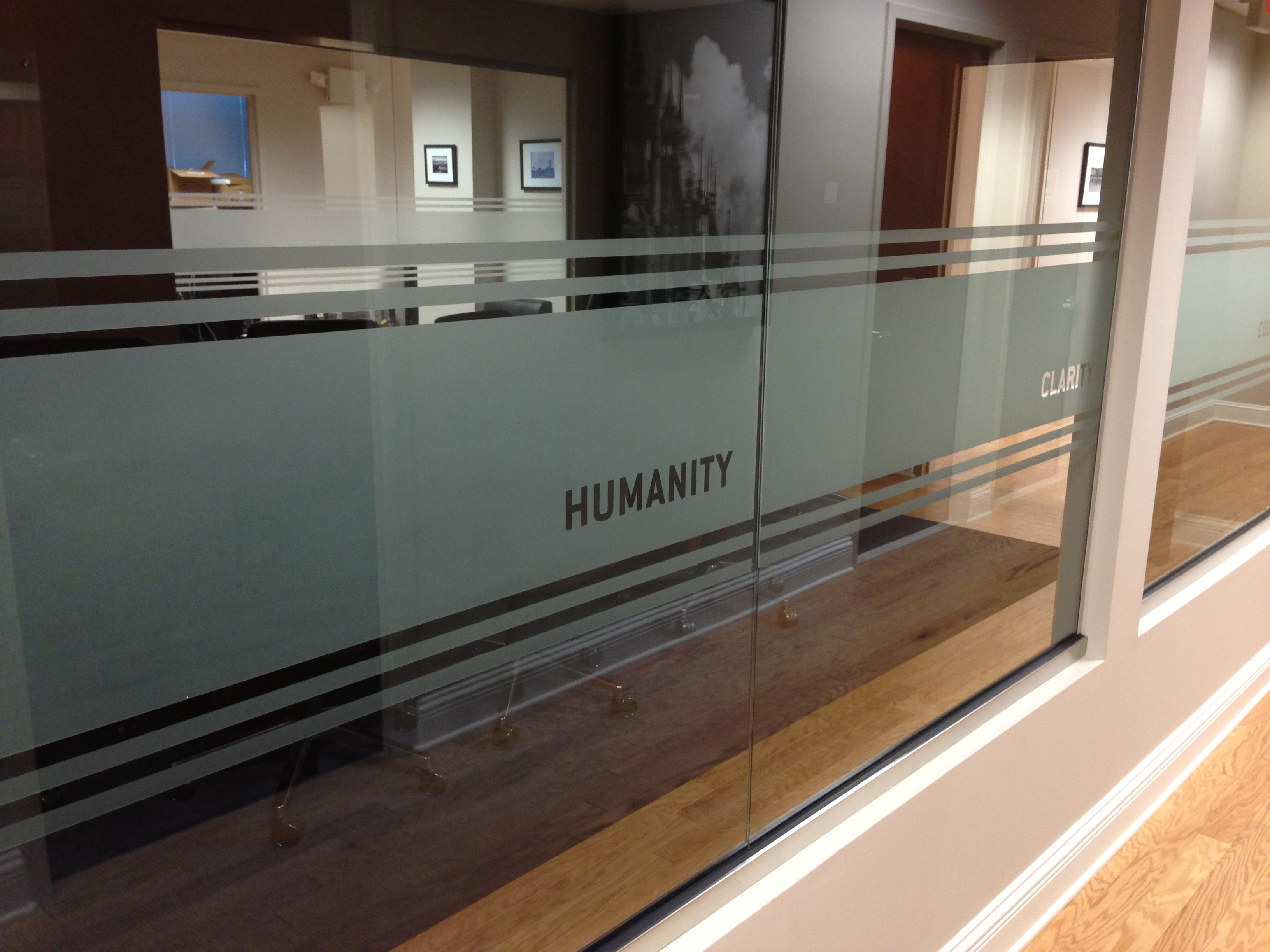
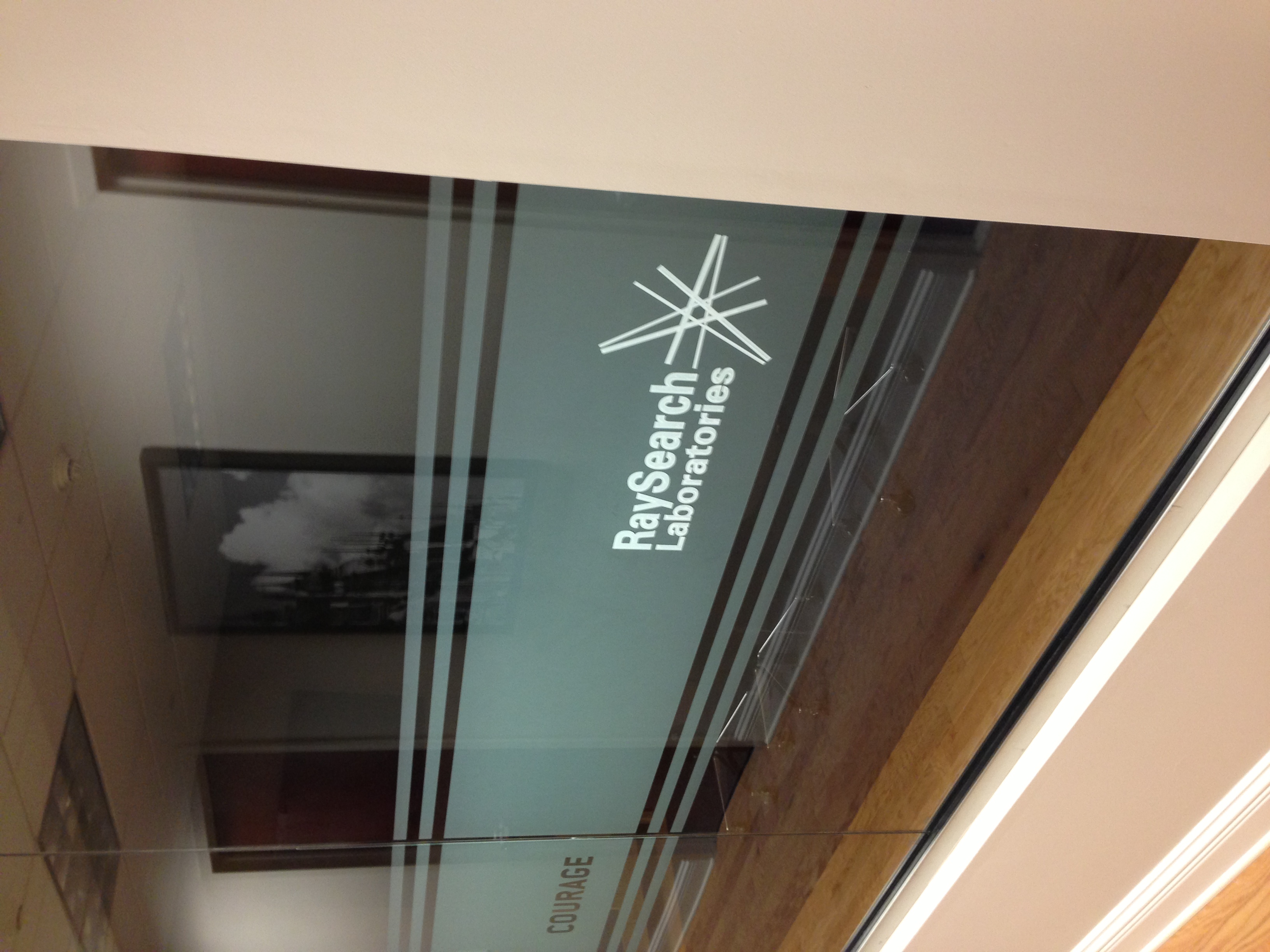
| Window film | Frosted, etched-effect or patterned film applied to interior glazing. | Meeting room privacy, manifestation on glass partitions and branded glazing. |
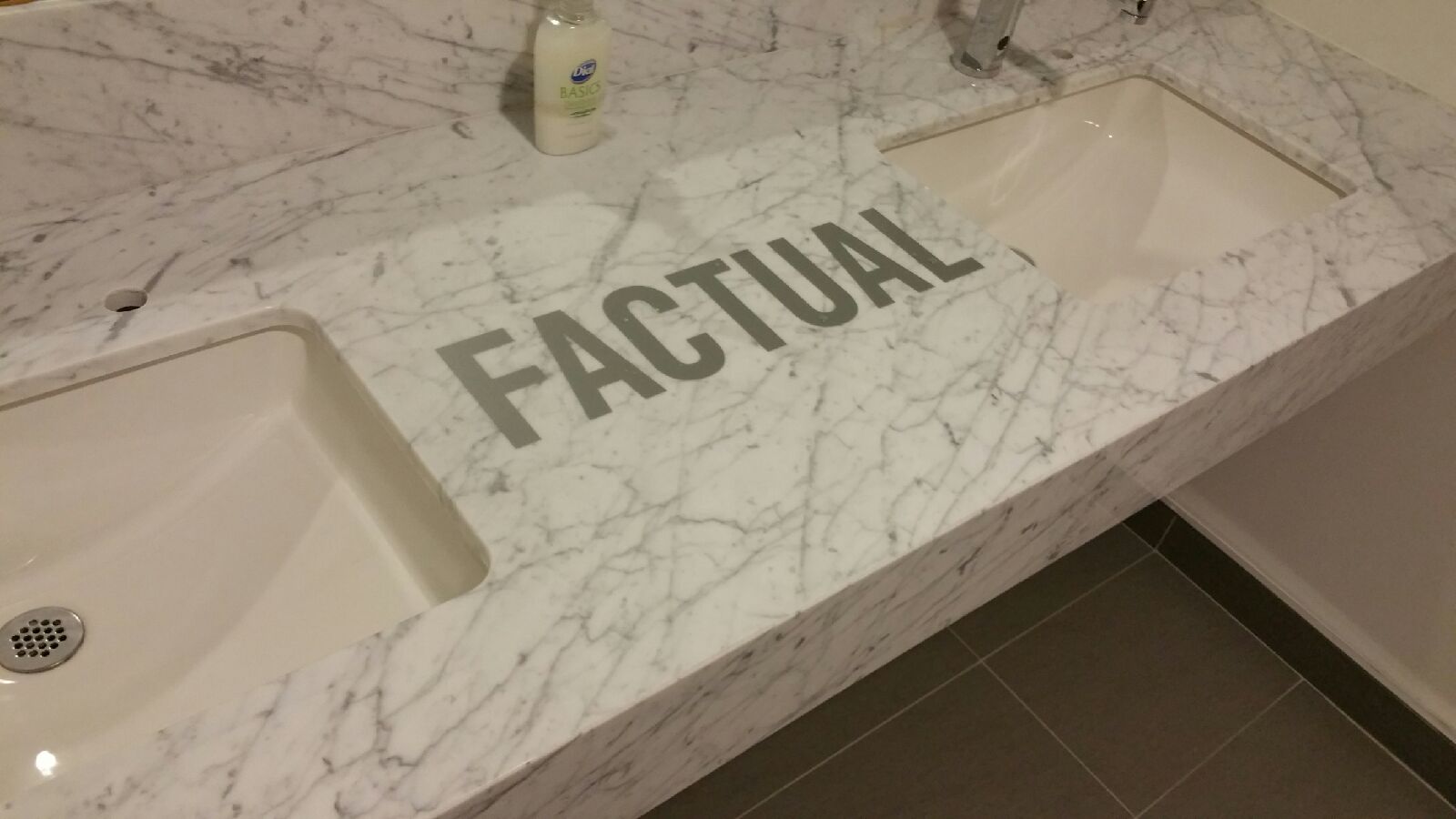
| Vinyl signs and lettering | Cut or printed vinyl applied to glass, walls, doors and panels. | Fast, inexpensive identification and messaging that changes often. |
| Light box signs | An illuminated cabinet with a printed or cut translucent face. | Menu boards, service panels and interior displays that need to hold attention. |
| Etched plaques | Chemically etched metal with recessed detail, filled or left bare. | Fine text and detailed marks at close viewing distance. |
Interior signs that have to comply, and the ones that do not
Some interior signage is a branding decision. Some of it is a legal requirement, and the difference is not always obvious to the person ordering it.
| Sign | Compliance status |
|---|---|
| Signs identifying permanent rooms and spaces, such as restrooms, stairs and numbered rooms | Must meet the ADA Standards, including tactile characters and Braille, and must be mounted in the specified position beside the door. |
| Directional and informational signs, such as wayfinding and directories | Must meet requirements for character height, contrast and non-glare finish, but do not require tactile characters or Braille. |
| Building directories and temporary signage | Generally exempt from the tactile requirements, though legibility requirements still apply in practice. |
| Branding, murals, values walls and decorative signage | Not regulated as signage, though it must not obstruct or obscure signs that are. |
Getting this wrong is expensive in a specific way: the sign is usually made, installed and paid for before anyone notices, and then it has to be made again. We check compliance at the drawing stage, before fabrication, as part of the project rather than as a service you have to ask for.
Full detail on tactile characters, Braille, mounting heights and finishes is on our ADA signage page.
Interior signage room by room
| Space | What usually goes in | What the buyer is actually solving |
|---|---|---|
| Reception and lobby | Dimensional or backlit letters, a feature wall, a directory | The first ten seconds. This is the sign that decides what visitors think the company is like. |
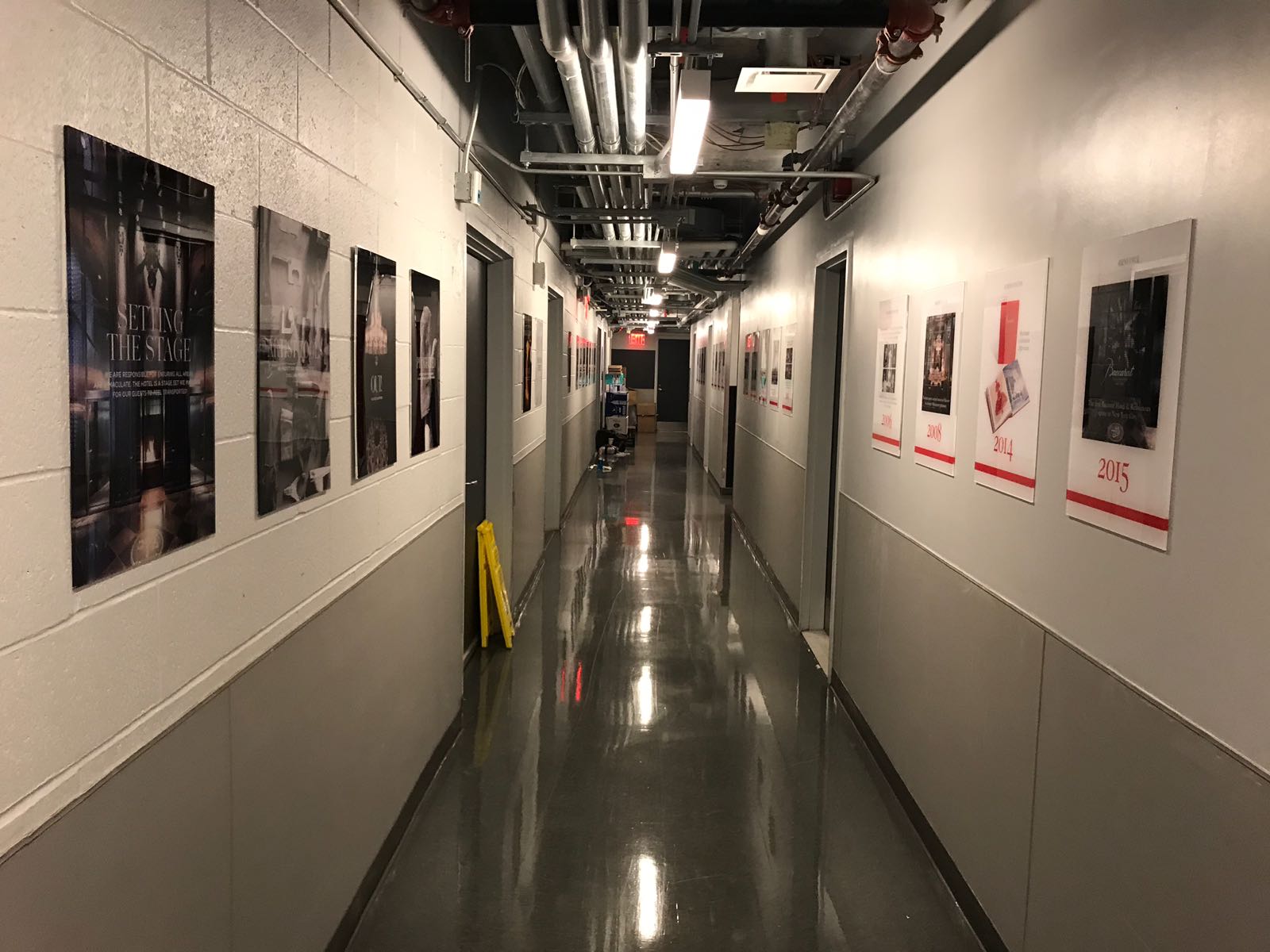
| Corridors and circulation | Directional signage, floor and zone identification | People arriving at the right place without asking anyone for help. |
| Meeting and conference rooms | Room identification, occupancy indicators, glass manifestation | Rooms that are findable and bookable without confusion, and glass nobody walks into. |
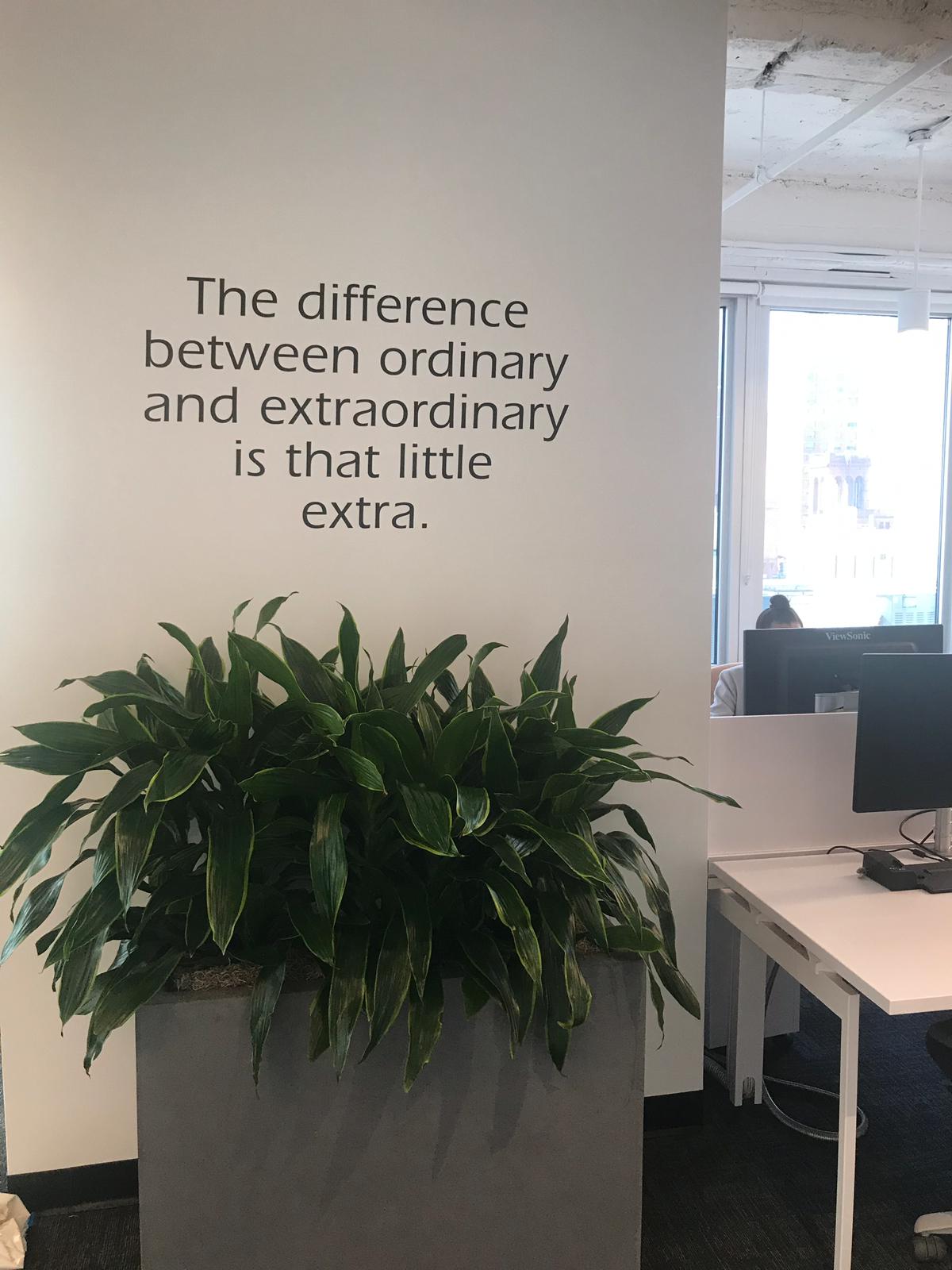
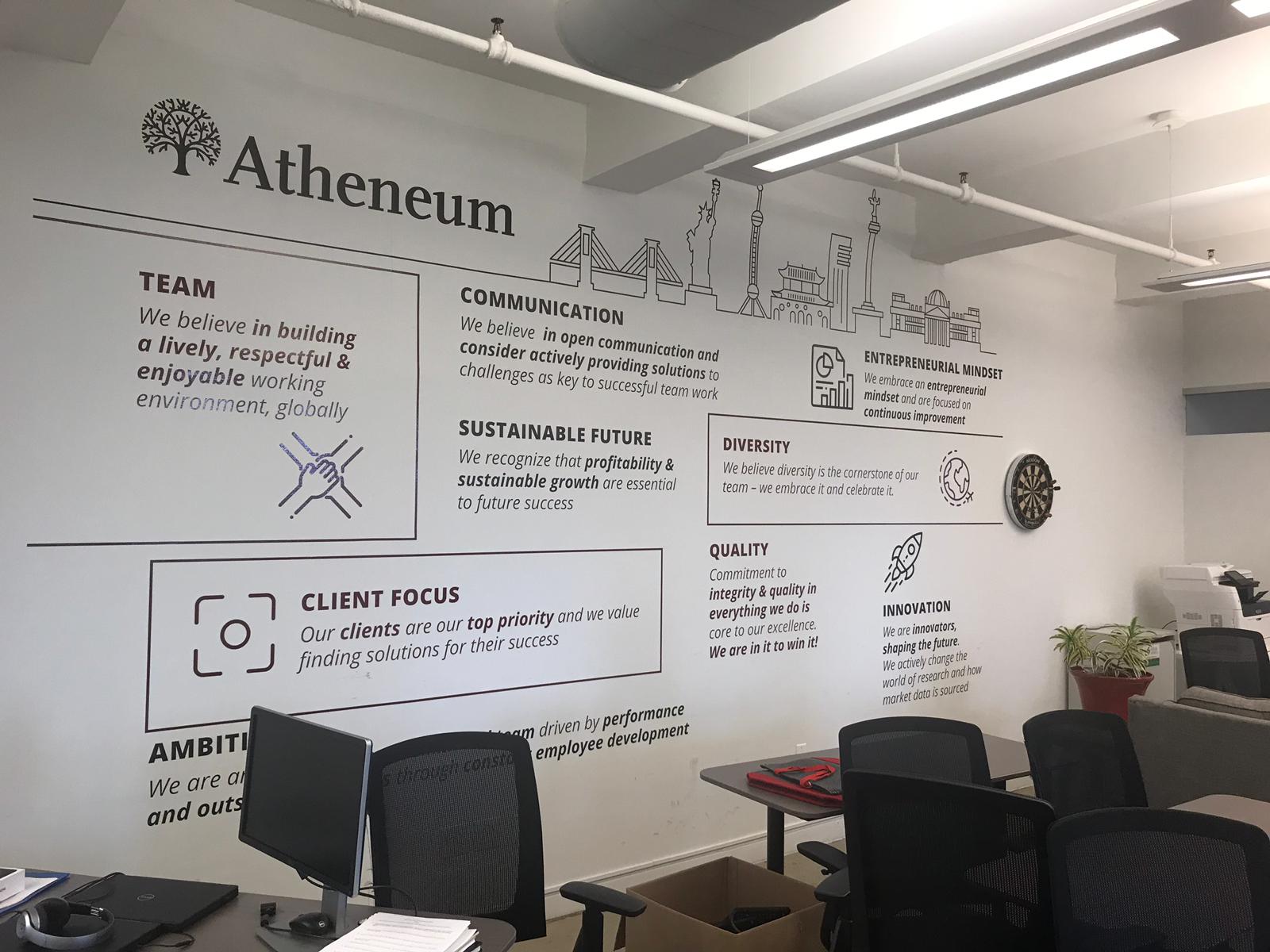
| Workspace and departments | Department identification, desk and door signs, values and culture walls | Making a large floor plate navigable for staff and visitors alike. |
| Restrooms and facilities | ADA-compliant identification, pictograms, directional signs | Compliance, first. Complaints about restroom signage are the most common accessibility issue in commercial interiors. |
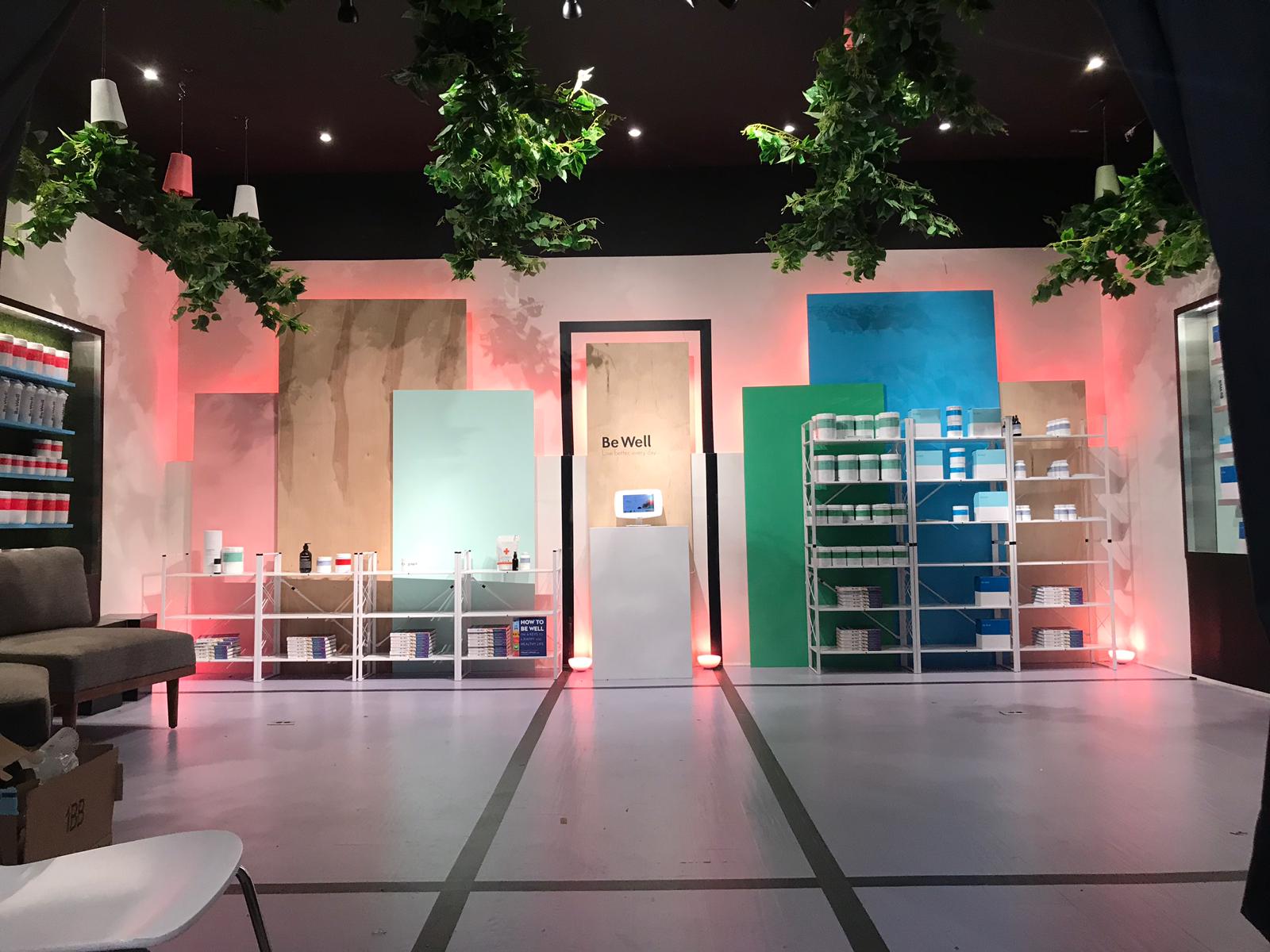
| Retail floor | Wall graphics, window film, promotional signage, display signage | Guiding people through the space and holding attention at the point of decision. |
| Hospitality interiors | LED neon, feature graphics, directional signage, room identification | Atmosphere and navigation at the same time, usually on a fixed opening date. |
| Healthcare and clinical | Wayfinding, accessible identification, department signage | Getting anxious or unwell visitors to the right door with no wrong turns. |
What interior signage is made from, and why it matters at close range
| Material | Where it works | What to know |
|---|---|---|
| Brushed or polished stainless | Reception letters, plaques, feature signage | Holds an even finish under close inspection and cleans without marking. The most forgiving metal indoors. |
| Brass and bronze | Plaques, dedications, heritage and hospitality interiors | Can be lacquered to hold the finish or left to develop a patina. Decide which before fabrication, not after. |
| Painted aluminum | Dimensional letters, panels, wayfinding systems | Light, stable and available in any color. The workhorse of interior signage systems. |
| Acrylic | Letters, standoff panels, room identification | Cost-effective and clean, but edge quality is everything at close range. Flame-polished edges look considerably better than saw-cut ones. |
| Printed and applied vinyl | Glass, walls, doors, murals | Fast and inexpensive. Specify the right film for the surface: a wall that has just been painted needs time before anything is applied to it. |
| Timber and composite | Hospitality, retail and interiors with a warmer material palette | Works well where the signage should read as part of the joinery rather than applied to it. |
From floor plan to handover
- Scope and sign schedule. We work from your floor plans and brand guidelines to establish what signs are needed, where they go and which of them carry compliance requirements. For a whole-floor project this is a schedule; for a single reception sign it is a conversation.
- Compliance review. We check which signs fall under the ADA Standards before anything is designed, so compliance is built in rather than corrected later.
- Design and visuals. You see the signage on your own drawings or photographs, at the size and position it will occupy, with material and finish specified.
- Technical drawings. Drawings, fixing details and finish specification issued for approval before anything is cut.
- Fabrication. Cut, formed, finished and, where relevant, wired and tested in our workshop.
- Installation and handover. Our crews install and hand over. Interior installation is usually scheduled around occupied space, so we work to the access hours the building allows.
One team from floor plan to handover
| Capability | What it means for the project |
|---|---|
| We fabricate | Letters, panels and cabinets are made in our own workshop. Interior signage is inspected from two feet away, and the finish is controlled by the people accountable for it. |
| We install | Our own crews fit the work, around occupied space and within the access hours the building allows. |
| We check compliance first | Accessibility requirements are identified at drawing stage, before fabrication, not after a complaint. |
| We work as a scheme | A sign schedule across a floor rather than a series of individual orders, which is what keeps a large interior consistent. |
| We work across the range | Dimensional letters, ADA systems, wayfinding, graphics, film and illuminated signage from one supplier. |
Frequently Asked Questions About Interior Signage
What is interior signage?
Interior signage is any sign inside a building: reception and lobby branding, room and door identification, wayfinding and directional signs, ADA-compliant accessibility signage, directories, wall graphics, window film and illuminated interior displays. Some of it is a branding decision and some of it is a legal requirement.
How much does interior signage cost?
A single cut vinyl door sign is tens of dollars. A set of dimensional reception letters runs into the hundreds or low thousands depending on material and size. A coordinated wayfinding and ADA package across a full floor is priced as a scheme rather than per sign, and the number depends on the sign count, the materials and the installation access. We price from your floor plan so the quote reflects the actual scope.
Do interior signs have to be ADA compliant?
Signs identifying permanent rooms and spaces do, including restrooms, stairs and numbered rooms. They require tactile characters and Braille and must be mounted in the specified position beside the door. Directional and informational signs have requirements for character height, contrast and finish but do not need tactile characters. Purely decorative signage is not regulated.
How long does interior signage take?
It depends on the material and the sign count. Vinyl and printed graphics are quick. Fabricated metal letters and coordinated wayfinding schemes take longer, because they are made rather than printed, and the approval and drawing stages are part of the timeline. We give a date at the point of quoting, not after the order.
Can you install without disrupting our office?
Yes. Most of our interior installation work is done in occupied buildings, scheduled around the access hours the building allows, including evenings and weekends where required.
Can you match our brand guidelines exactly?
Yes. We work from your brand guidelines and, where the guidelines do not cover fabrication, we specify the material and finish that gets closest to the intent and show it to you before anything is made.
What is the difference between interior and exterior signage?
Interior signage is built for close viewing, accessibility compliance and the finish of the space around it. Exterior signage is built for weather, distance and planning approval. The materials, construction and approval routes are different. Velement makes both. See our exterior signage page for work on the outside of the building.
Do you handle a whole building, or just individual signs?
Both. We produce individual signs and we produce coordinated schemes across multiple floors, working from a sign schedule so that every sign in the building belongs to the same system.
View Our Projects