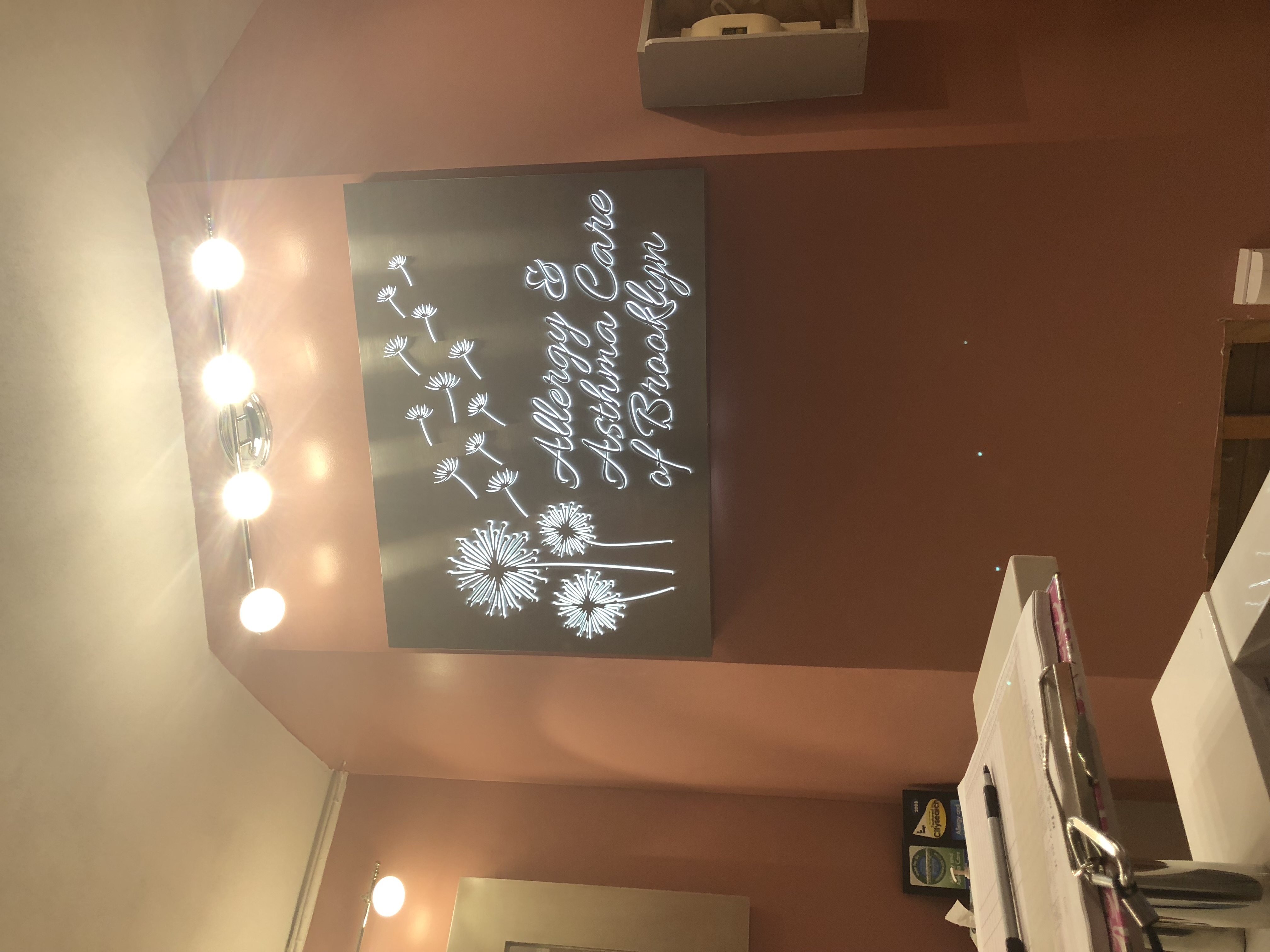
Custom Light Boxes in New York
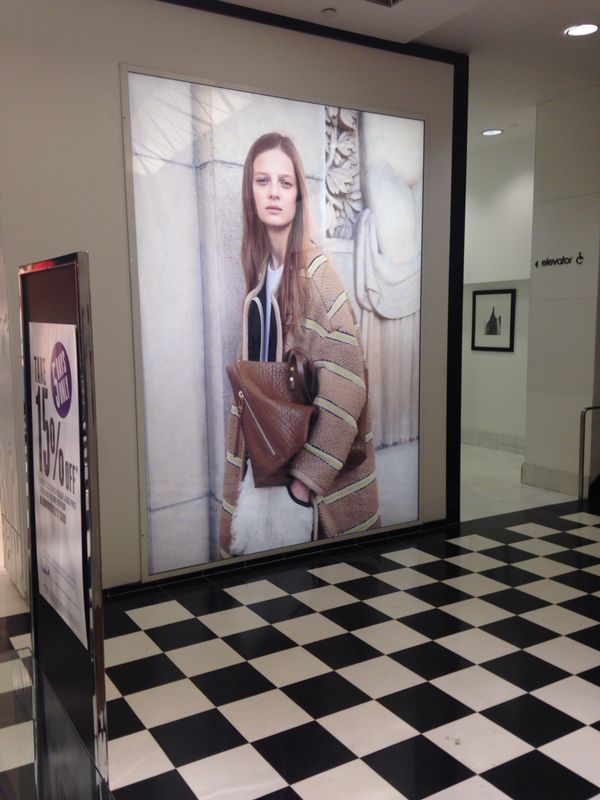
Custom light boxes built to the space rather than a catalog size. Your dimensions, your shape, the depth the wall or fixture allows, and the lighting and graphics the application needs. Wall-mounted, suspended, freestanding or built into joinery, for retail, hospitality, offices, events and storefronts.
One box made to fit an awkward wall, or a matched set for every store.
Everything is adjustable, and everything affects everything else
A stock lightbox comes in a handful of sizes, and the space is expected to fit it. A custom light box works the other way round: the box is built to the wall, the window, the fixture or the ceiling it belongs to.
The catch is that every choice affects another. A thinner box is harder to light evenly. A tighter curve in a custom shape is harder to fill with light without dark corners. A larger face means a heavier frame, possibly a seam in the graphic, and a question of how it gets through the building’s door.
None of that is a reason to compromise on the design. It is a reason to decide the variables in the right order, so the box that arrives is the one you pictured.
What you can specify
| Variable | Options | The trade-off |
|---|---|---|
| Size | From a small countertop box to a full-wall display | Larger faces need stronger frames and may need to be built or delivered in sections. |
| Shape | Rectangle, square, circle, oval, arch, logo outline, fully custom | Tight corners and narrow points are harder to light evenly. |
| Depth | Slim edge-lit panels through to deep backlit cabinets | Thinner boxes need more careful lighting design to avoid hot spots. |
| Sides | Single-sided, or double-sided for freestanding and hanging boxes | Double-sided boxes need both faces lit evenly and graphics aligned. |
| Lighting | Backlit, edge-lit, white or color-changing LEDs, dimmable | Each suits a different depth and effect. |
| Face and graphics | Tension fabric, printed rigid face, translucent vinyl, push-through letters | Decides how easily graphics can be changed. |
| Mounting | Wall, suspended, freestanding, countertop, recessed, window-facing | Affects the frame, the power route and the installation. |
| Power | Plug-in or hardwired, with timers or dimmers | Plug-in suits temporary and movable displays; hardwired suits permanent signs. |
Custom shape light boxes
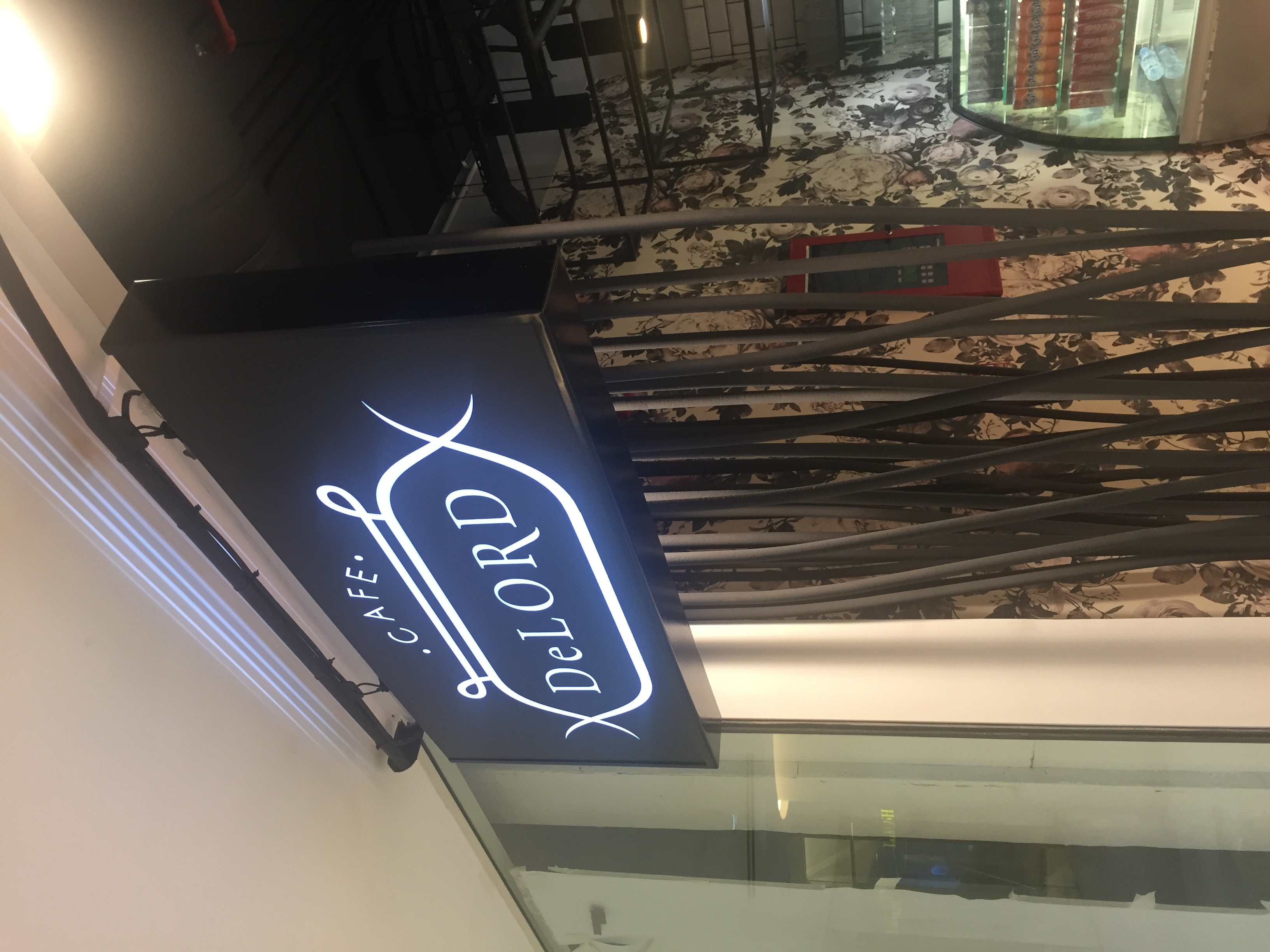
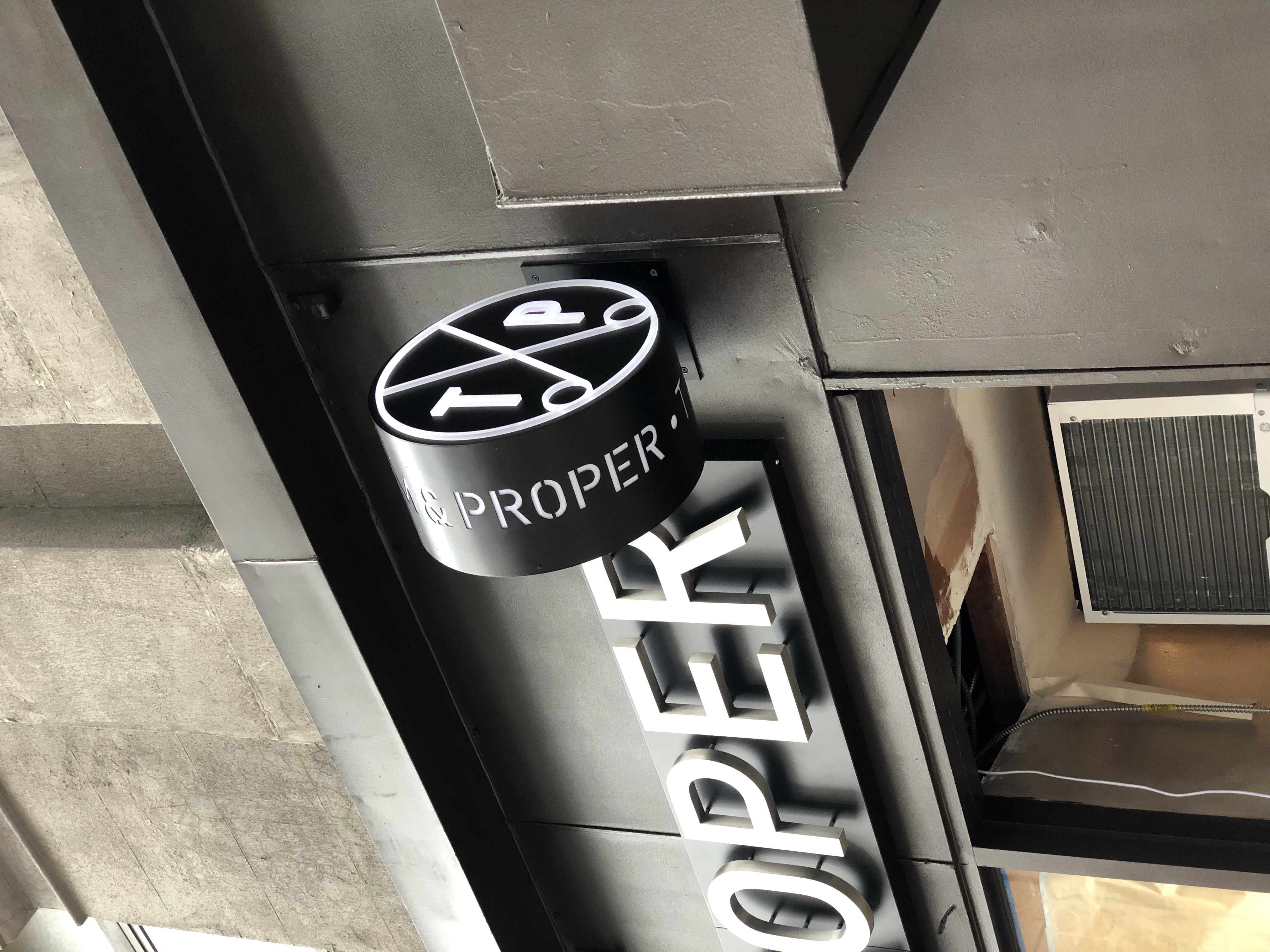
A logo that is round, an arch that follows a doorway, a speech bubble, a product silhouette. Custom shape light boxes turn the brand shape itself into the sign.
- Built to the outline. The cabinet sides are formed to follow the shape, and the face is cut to match.
- Lit to the edges. LEDs are laid out to follow the shape, so curves and points glow as brightly as the center.
- Simplify tight details. Very narrow points and tight inside corners are difficult to light evenly. Where a logo has them, we suggest small adjustments before fabrication.
- Shape plus graphics. A shaped box can carry printed graphics, or have only certain areas lit, for a more sculptural look.
Thickness and lighting configuration
How thick a custom LED light box can be depends on how it is lit. That choice is made early, because it sets the frame design.
| Configuration | How it works | Best for |
|---|---|---|
| Edge-lit | LEDs along the frame edges feed light across a diffuser panel. | Very slim wall boxes, displays and interiors where depth is limited. |
| Backlit | LEDs on the back panel shine forward through the face. | Larger faces, deeper cabinets and outdoor signs. The most even light over large areas. |
| Double-sided | Two lit faces back to back, sharing one frame. | Hanging boxes, freestanding displays and projecting signs. |
| Color-changing | RGB LEDs that change color or fade on a program. | Events, hospitality and feature displays. |
| Dimmable | Brightness adjustable by dimmer or controller. | Restaurants, lobbies and any space where light levels change through the day. |
In general, custom backlit light boxes need more depth than edge-lit ones. A slim box can still be backlit, but it needs closer LED spacing and a well-chosen diffuser to avoid visible bright spots.
How the graphics go in
The graphic system decides who can change the display, and how often.
| System | How it works | Best for |
|---|---|---|
| Tension fabric | A printed fabric graphic with a silicone edge pressed into a channel around the frame. | Retail campaigns and displays that change often. Quick to swap and easy to ship. |
| Snap frame | A hinged frame opens at the front so a printed backlit poster can be swapped. | Menus, posters, promotions and wall displays that change regularly. |
| Printed rigid face | Graphics printed onto an acrylic or polycarbonate face. | Permanent signs and logos. |
| Translucent vinyl | Colored film cut and applied to the face. | Logos and lettering in solid colors. |
| Push-through | Acrylic letters pushed through a cut-out solid face. | Signs where only the letters should glow. |
Custom light box displays: where they go
- Wall-mounted. Fixed flat to the wall, or recessed so the face sits flush.
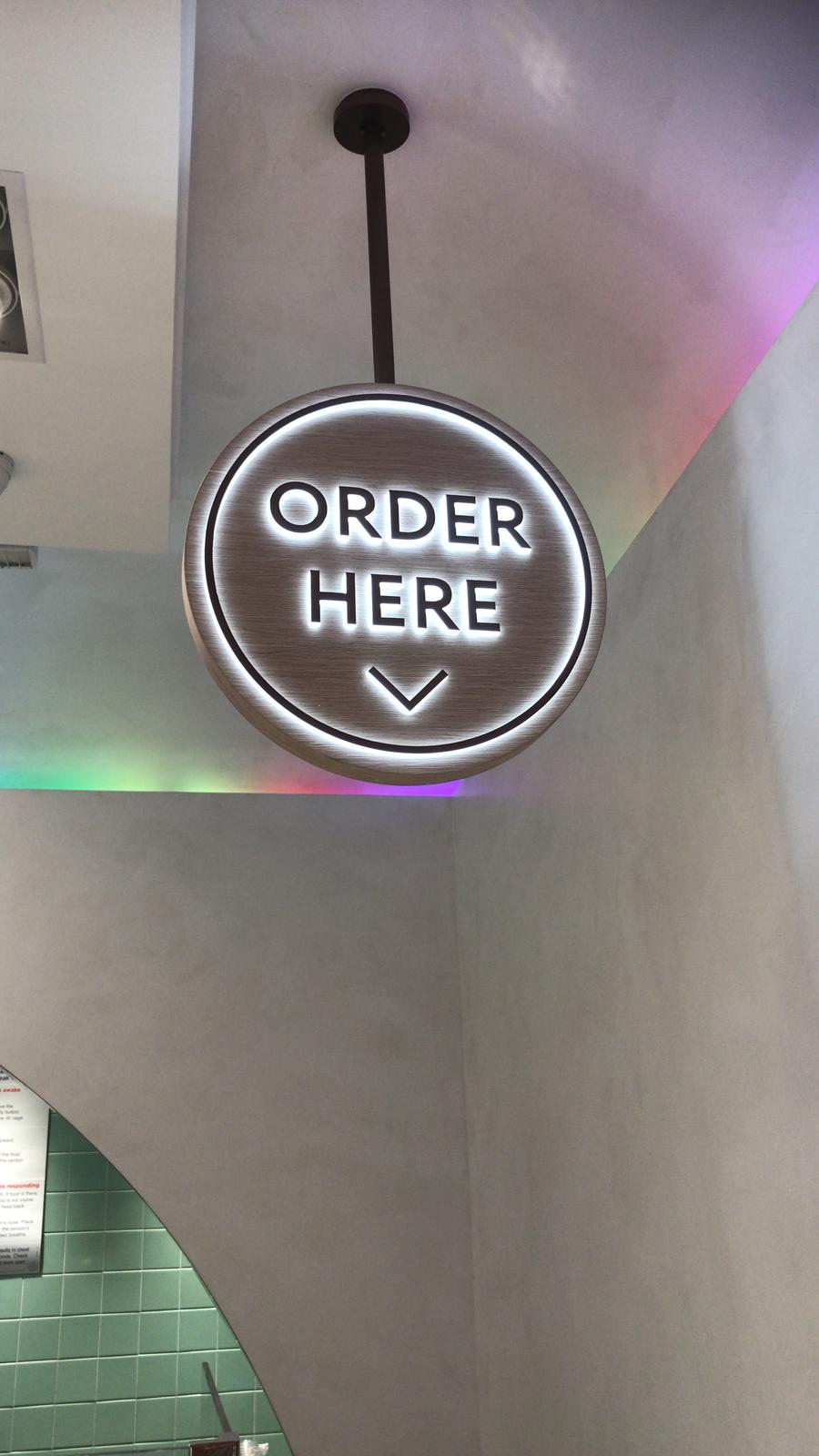
- Suspended. Hung from the ceiling on cables, usually double-sided, for retail, atriums and trade spaces.
- Freestanding. Floor-standing boxes on a base, often double-sided, for lobbies, showrooms and events.
- Countertop. Small boxes for counters, bars and reception desks.
- Built into joinery. Recessed into shelving, millwork or fixtures, planned with the joiner.
- Window-facing. Lightboxes behind storefront glass, lit toward the street.
Getting a large box into a New York building
A light box that fits the wall perfectly is no use if it cannot get to the wall. In New York, that is a real design constraint.
- Doors, stairs and elevators. We ask for the size of the freight elevator, the tightest door and any stair turns on the route before the frame is designed.
- Built in sections. Very large custom light boxes can be made in sections that join on site, with the joints planned so they do not show when lit.
- Seams in the graphic. Fabric and printed faces have maximum widths. Large graphics may need a seam, placed where it is least noticeable in the artwork.
- Delivery and installation windows. Many buildings limit deliveries and installation to set hours and require insurance certificates. We plan around them.
For indoor and outdoor light box signs more broadly, including permits for exterior signs, see our light box signs page.
Spec to installed light box
- Send us the space. The size you have in mind, a photo of where the box will go, your artwork, and whether it is indoor or outdoor.
- Five questions. How deep can it be? What shape? One side or two? How often will the graphics change? How will it be mounted and powered?
- Drawing. A scaled drawing with dimensions, depth, lighting configuration, graphic system, mounting and power route.
- Lit sample. A sample of the face and graphic, lit, to check color and evenness before the full box is made.
- Fabrication. Frame built, LEDs laid out and tested, graphics printed and fitted.
- Delivery and installation. Delivered through the building, installed, powered and checked for even light. Spare graphics can be supplied.
Custom light boxes, built to the space
| Capability | What it means for your light box |
|---|---|
| We build to your dimensions | The box fits the wall, window, fixture or ceiling, not a catalog size. |
| We design the light for the depth | Slim or deep, the face glows evenly without hot spots. |
| We follow the shape | Custom outlines lit right to the edges. |
| We choose the graphic system | Fabric, snap frame or rigid face, depending on how often graphics change. |
| We plan the route in | Size, sections and seams worked out for the building’s doors and elevators. |
| We make matching sets | The same box repeated across stores, floors or events. |
Frequently Asked Questions About Custom Light Boxes
What sizes can a custom light box be?
Almost any. Custom light boxes range from small countertop units to full-wall displays. Very large boxes may be built in sections and joined on site, and large graphics may need a seam. We plan both around the space and the route into the building.
How thin can a light box be?
Edge-lit light boxes can be very slim because the LEDs sit in the frame rather than behind the face. Backlit boxes need more depth for even light. Tell us how much depth the wall or fixture allows and we will recommend the lighting configuration.
Can a light box be a custom shape?
Yes. Circles, ovals, arches, logo outlines and fully custom shapes are all possible. Very tight corners and narrow points are harder to light evenly, so we may suggest small adjustments.
Can we change the graphics ourselves?
Yes, with the right graphic system. Tension fabric graphics press into a channel around the frame, and snap frames open at the front for poster swaps. Both let staff change graphics without tools or a technician.
Plug-in or hardwired?
Plug-in suits indoor displays that may move, such as retail, events and temporary installations. Hardwired suits permanent signs and outdoor installations. We plan the power route either way so cables are hidden where possible.
Can custom light boxes be used outdoors?
Yes. Outdoor boxes are built with weather-sealed frames, drainage and impact-resistant faces, and exterior illuminated signs in New York usually need permits. See our light box signs page for more.
Can you make the same light box for several locations?
Yes. We keep the drawings and specifications, so the same box can be made for every store, floor or event, with graphics matched across all of them.
What do you need for a quote?
The size and shape you have in mind, a photo of the space, your artwork, whether it is indoor or outdoor, and how it will be mounted. Let us know how often the graphics will change.
View Our Projects