Hospitality Signage in New York
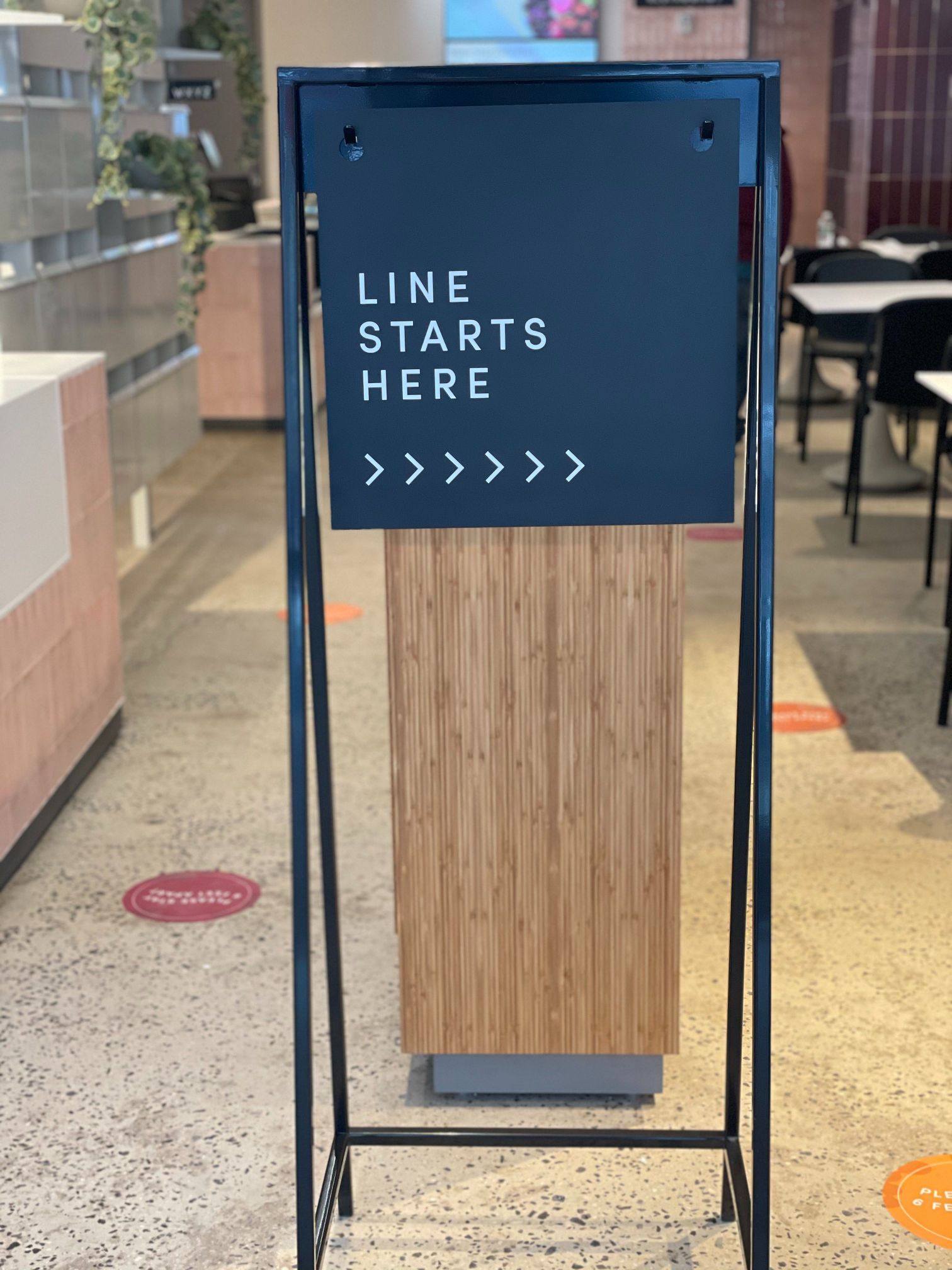
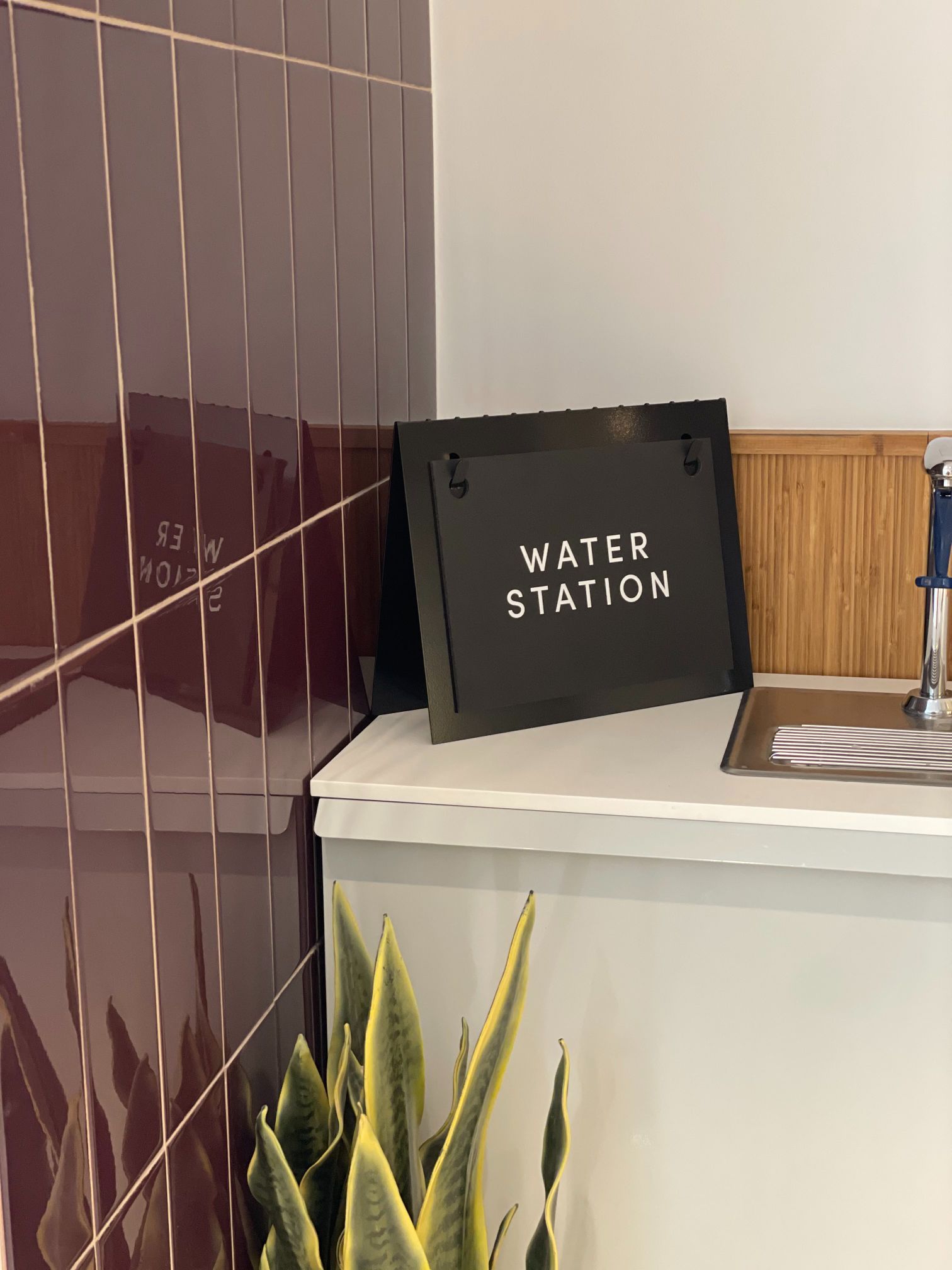
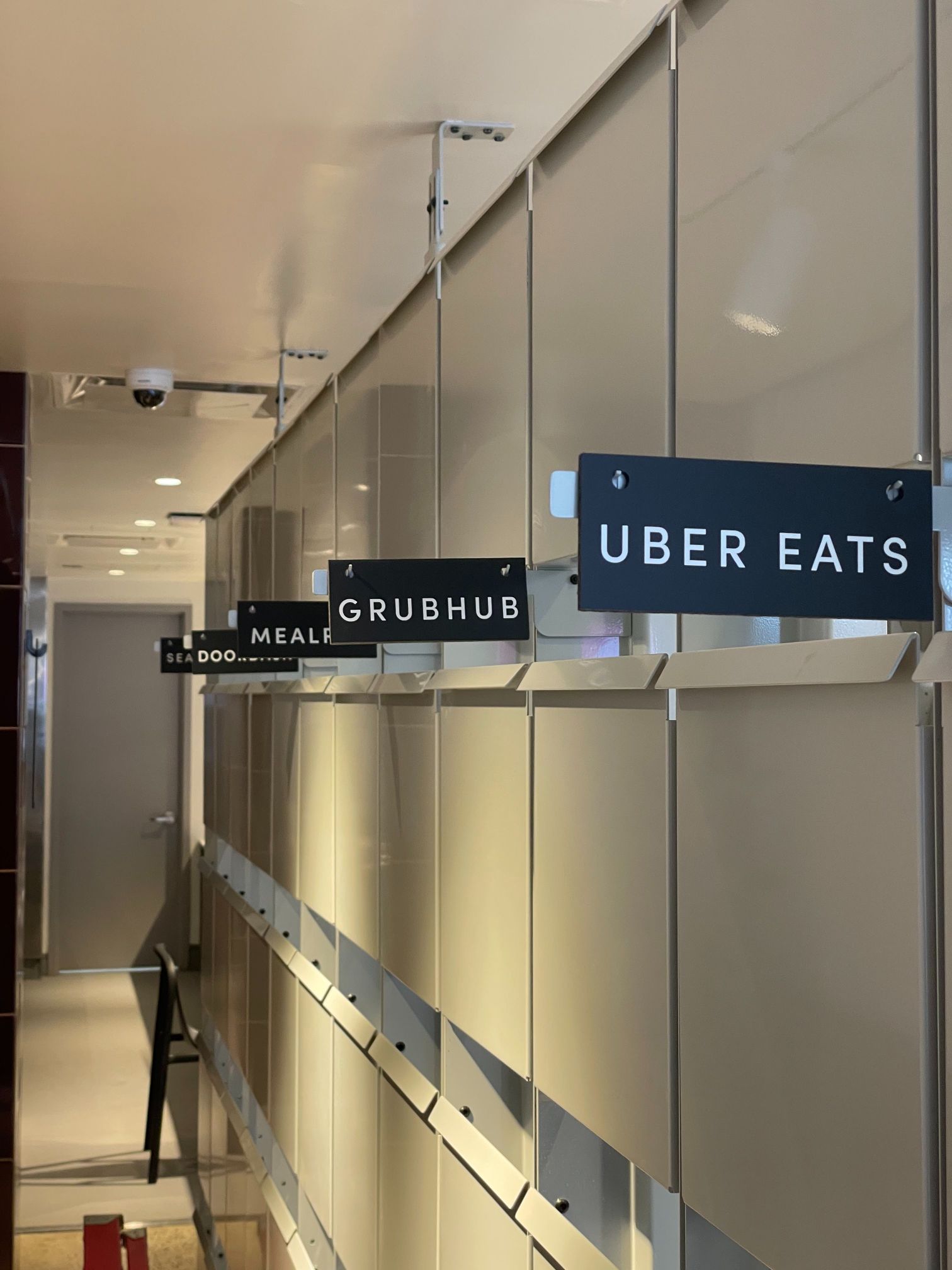
Velement designs, fabricates and installs signage for hotels, restaurants, bars and venues across New York. Exterior identification, lobby and reception branding, wayfinding, guest room and ADA signage, menu boards and awnings, made in our own workshop and fitted around service.
Single restaurants, full hotel programs and multi-site groups. We work to brand standards, to your designer’s drawings and to your opening date.
Your signage is part of what the guest is paying for
In an office, signage is infrastructure. Nobody photographs a corridor sign. In a hotel or a restaurant it is the opposite: the lettering above the door, the neon behind the bar, the numerals on the guest room doors and the pictogram on the restroom are part of the room, part of the experience and, increasingly, part of what ends up on a phone. Guests notice hospitality signage in a way they notice no other kind.
Which sits awkwardly next to the second fact about hospitality signage: the building never closes. There is no empty weekend. A hotel has guests in it every night of the year, a restaurant has two services a day it cannot lose, and both have a back of house that has to keep running while the front of house is being worked on.
So the job is to make something good enough to be looked at closely, and to install it without anybody’s evening being interrupted. We make in our own workshop in New York, which is how the first part happens, and we work to your service hours, which is how the second part does.
From the sidewalk to the service corridor
| Where | What goes there | Why it matters | Product page |
|---|---|---|---|
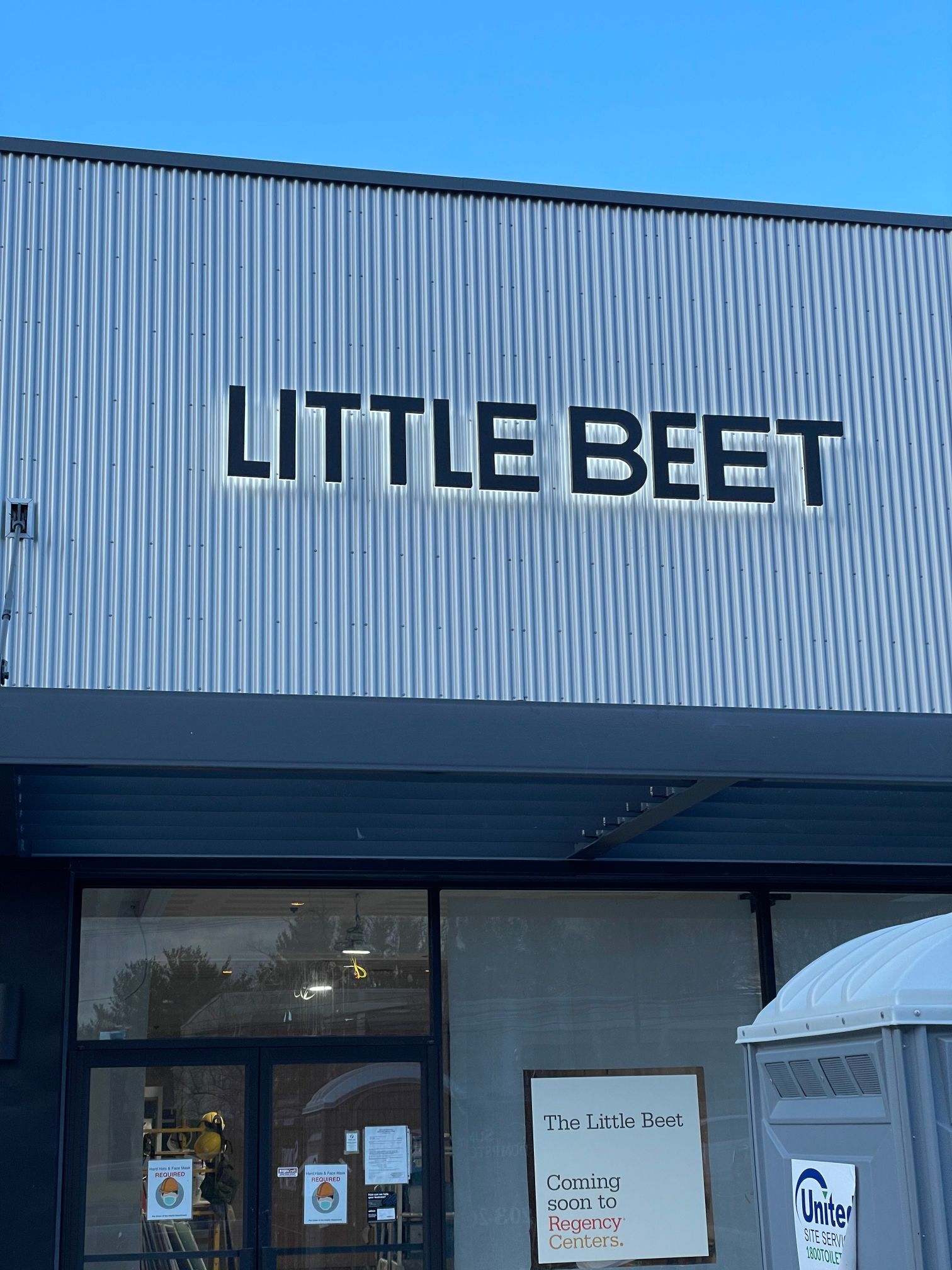
| Arrival and facade | Building and venue identification, projecting and blade signs, awnings and canopies, entrance lettering | The decision to walk in is made on the sidewalk, often in the dark and often in the rain. | Metal letters, channel letters, awnings and canopies |
| Lobby and reception | Feature lettering, backlit and halo-lit identification, brand walls, concierge and desk signage | The first interior impression, and the piece the owner will have the strongest opinion about. | Backlit letters, metal letters, wall murals |
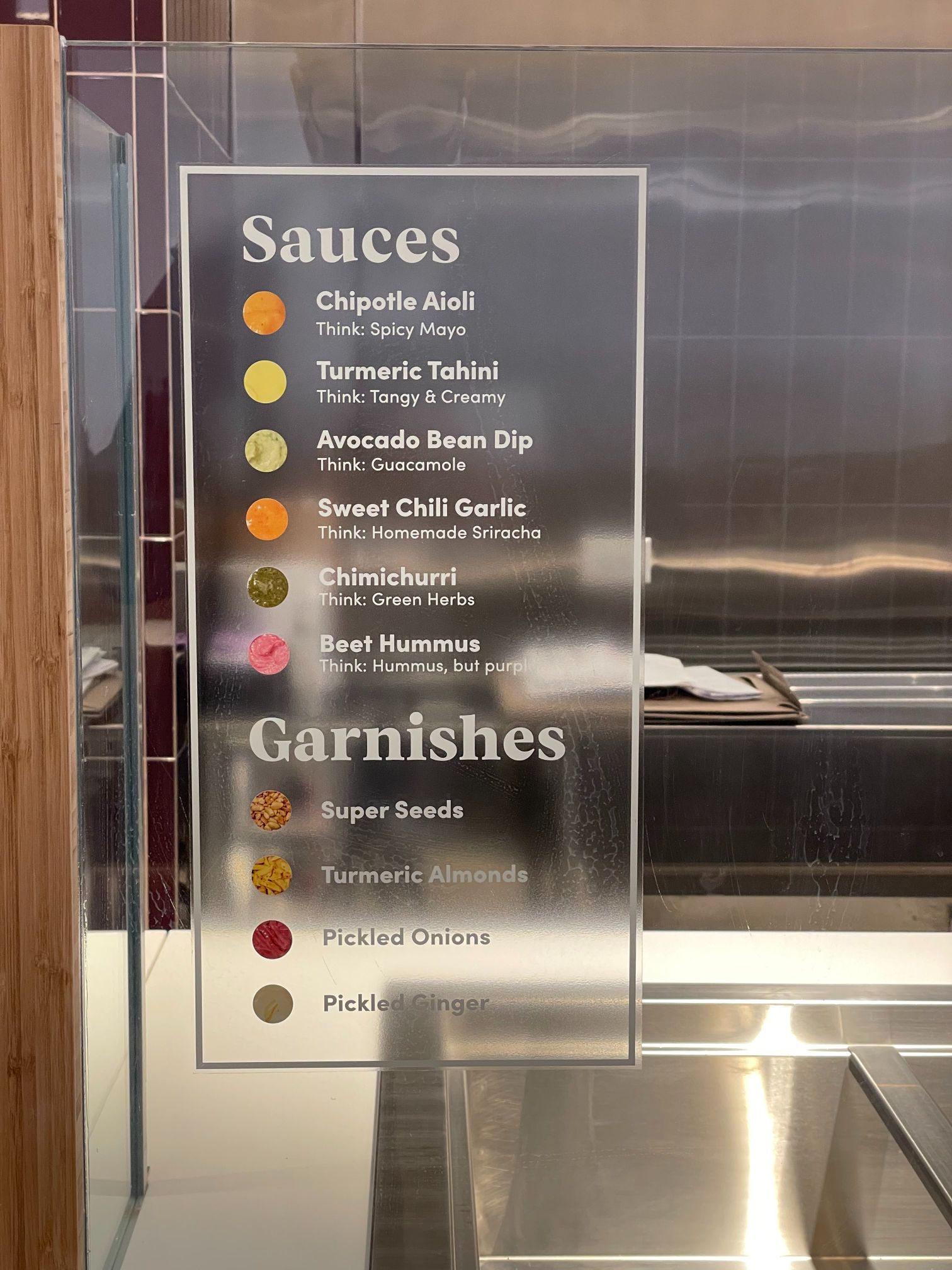
| Food and beverage | Restaurant and bar identification, menu boards, backlit menu and light box signage, neon, table and specials signage | Menus and offers change. The signage has to allow for that without being remade. | Light box signs, Duratrans printing, LED neon |
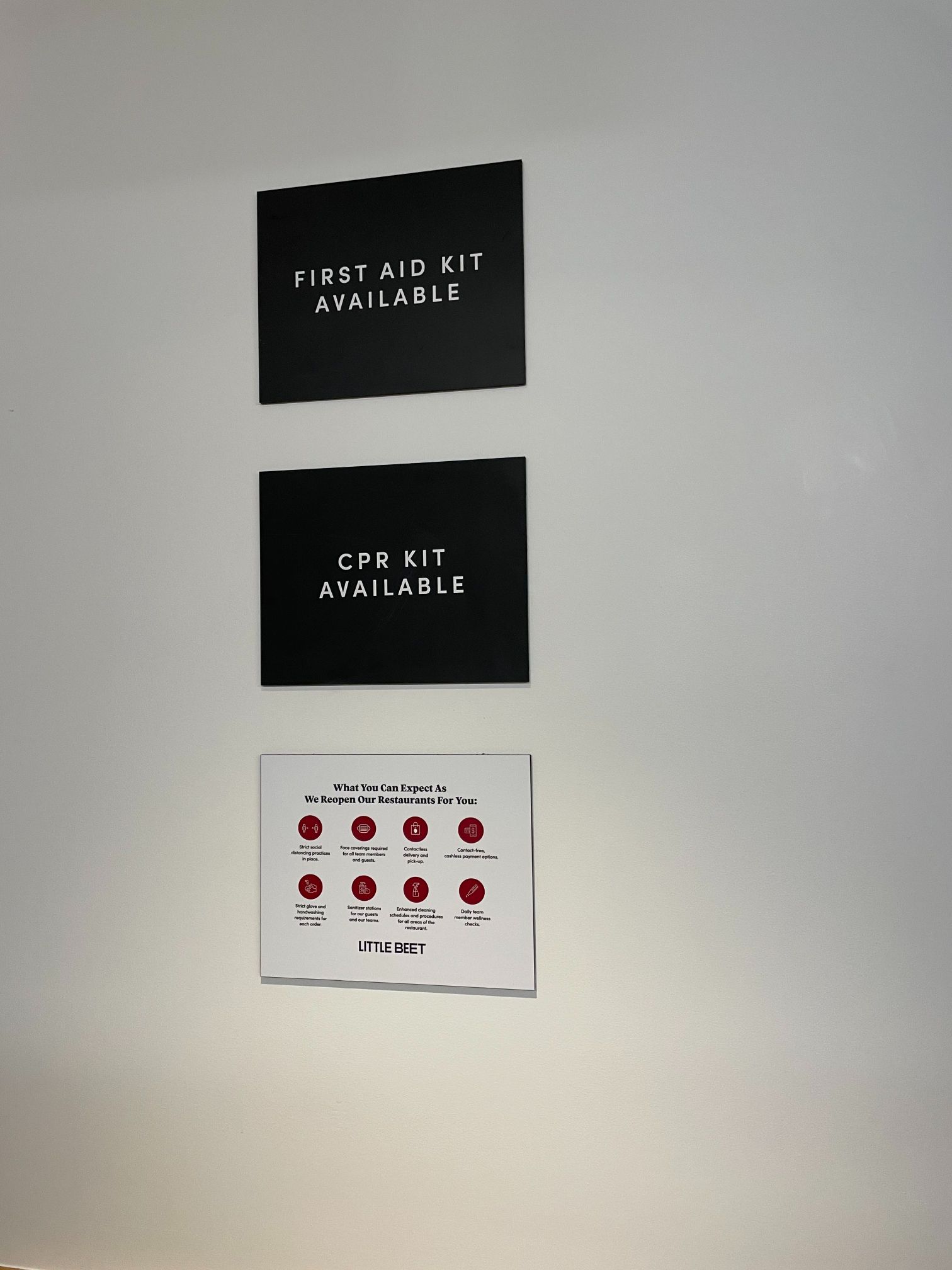
| Guest floors and rooms | Floor identification, directional signage, guest room numerals, accessible room identification | A guest finding their room at two in the morning with a bag in each hand is the real test. | Wayfinding, custom plaques, ADA signage |
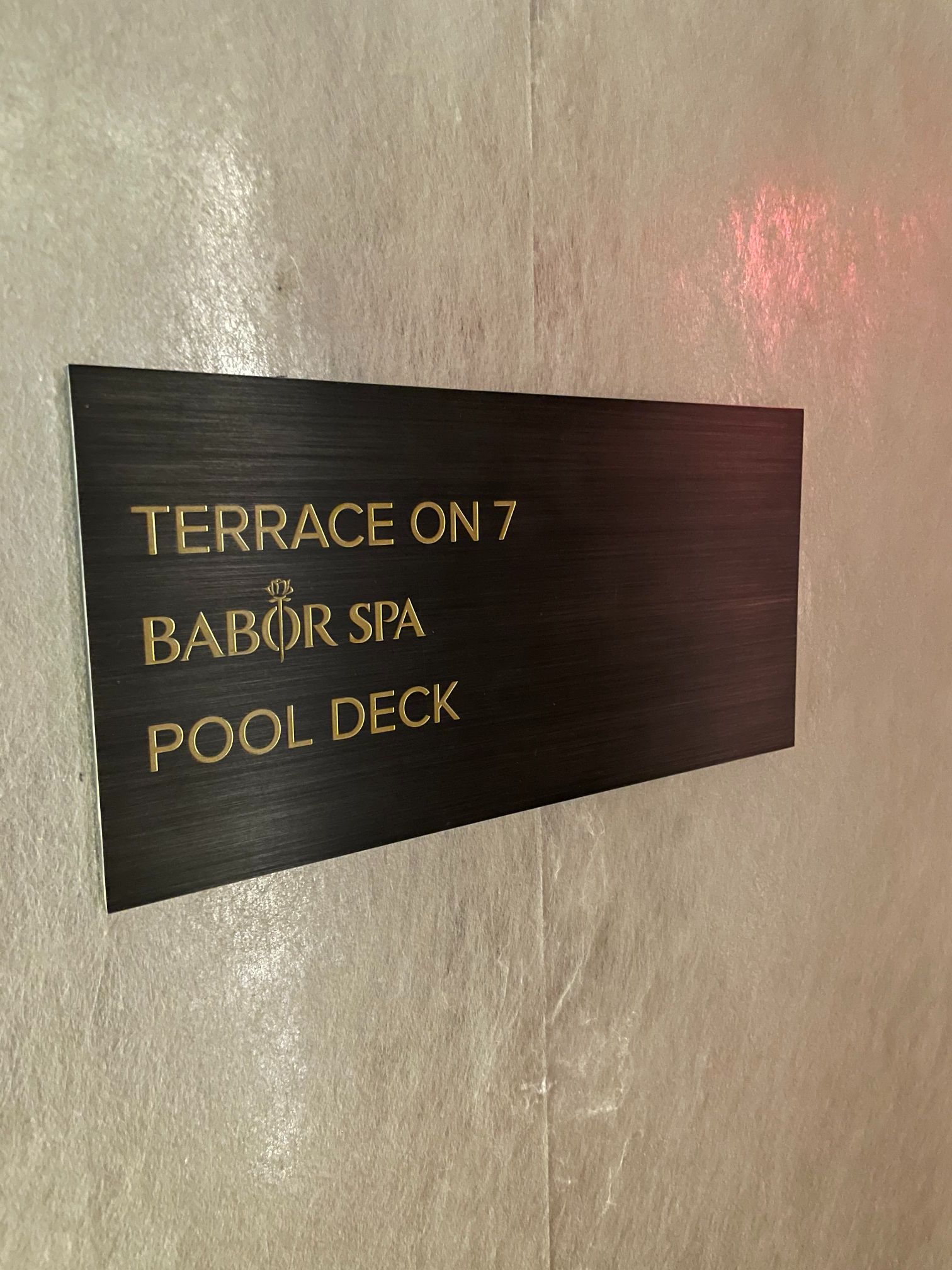
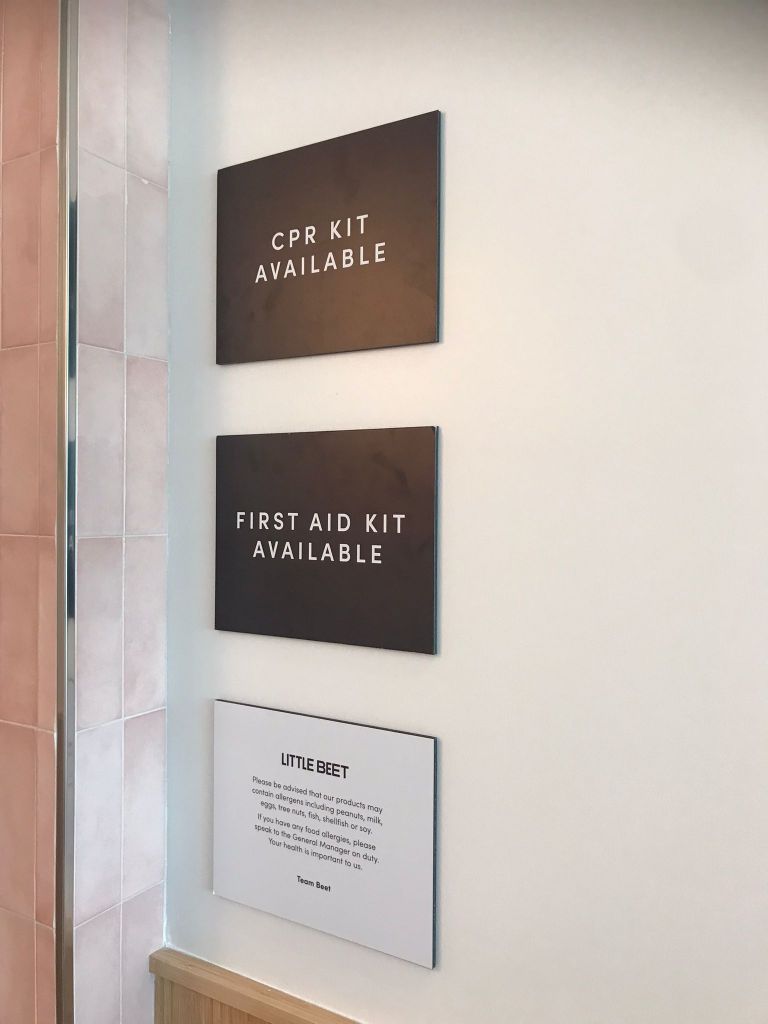
| Restrooms and public areas | ADA-compliant identification, pictograms, pool, spa, gym and meeting room signage | Legally required and, in a hotel, seen by everyone. | ADA signage, ADA restroom signs |
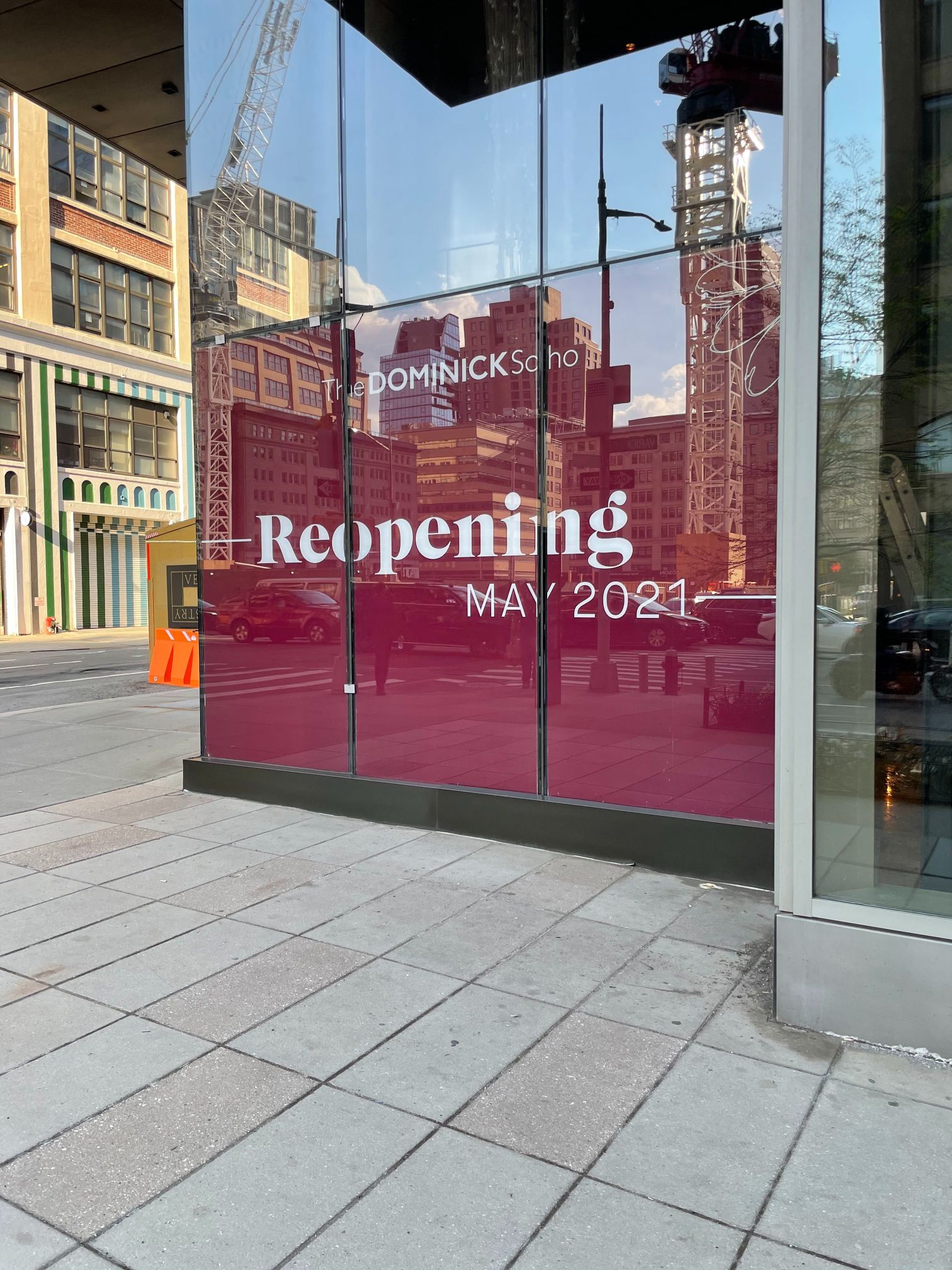
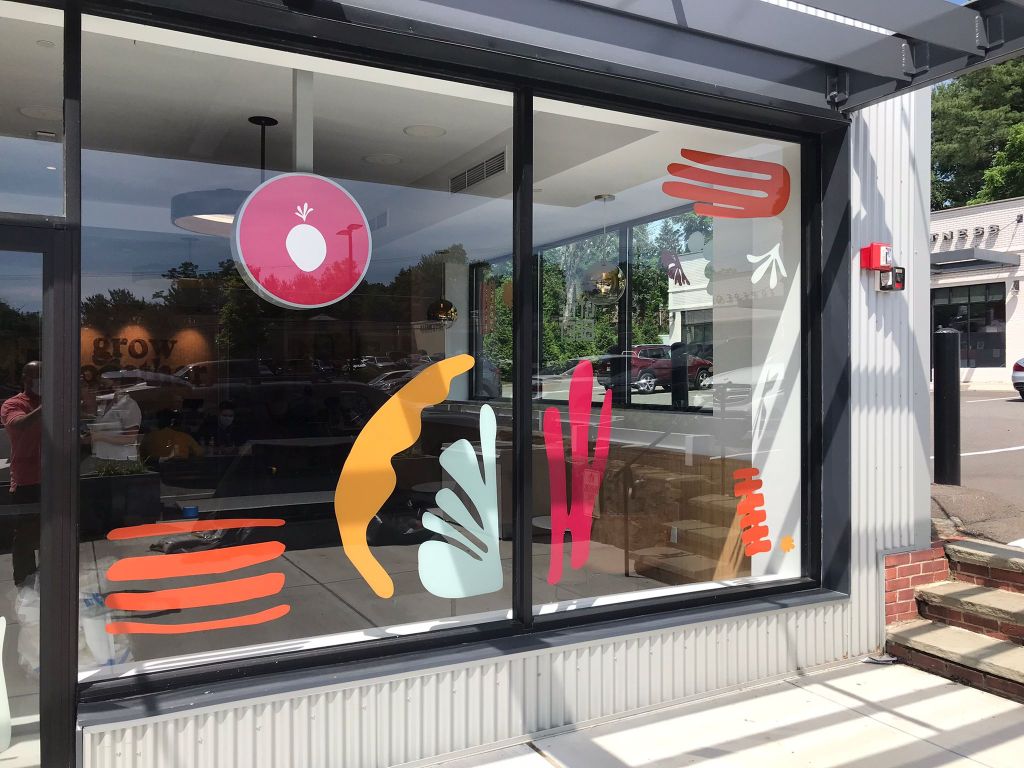
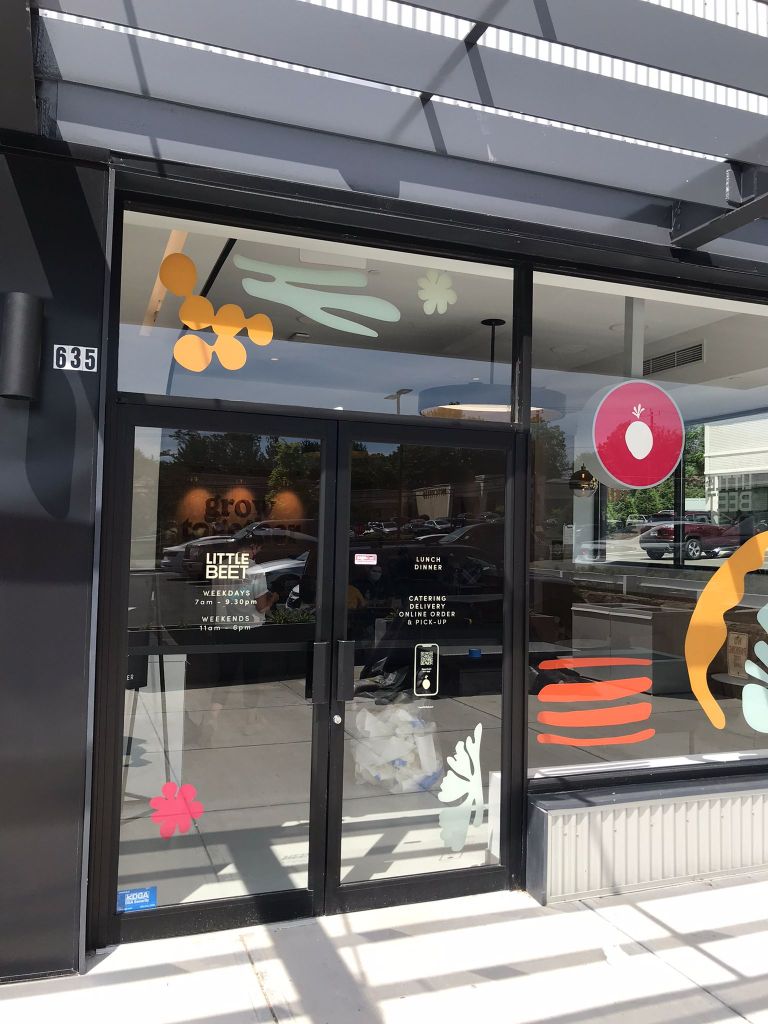
| Glass and windows | Window graphics, privacy and frosted film, opening hours, manifestation on glass doors | Street-facing glass sells the room behind it. Also stops people walking into it. | Window film, store window graphics |
| Back of house | Kitchen, service corridor, staff-only, storage and safety signage | Nobody designs it and every inspector looks for it. | Custom signage |
| Outdoor areas | Terrace, roof, garden and outdoor dining structures, sidewalk signage | Outdoor structures and sidewalk signage are regulated. Worth checking before design, not after. | Exterior signage, banners |
If the property is flagged, the standard decides most of it
A hotel operating under a major brand will have a signage standard, and it is usually specific: typefaces, sizes, materials, finishes, mounting heights, illumination, and often the wording itself. It will cover guest room numerals and restroom pictograms as closely as it covers the sign over the door, and it will normally require approval before anything is installed.
Restaurant groups and independent hotels have the same thing in a lighter form: a brand book, a designer’s specification, or a set of finishes agreed at the first location that every later one has to match.
- What we need. The standard, the brand book or the designer’s specification, before anything is designed. Not after a sample has been made.
- Where the work is. Standards specify intent; they rarely specify fabrication. Matching a named finish in a real material is the part that takes judgment, and it is the part we do in the workshop rather than on a screen.
- Approvals. Where the brand requires sign-off, we produce what the submission needs and build to what is approved.
- Consistency across sites. We hold the specification, so the second location matches the first and the replacement made in three years matches both.
Installed around service, not instead of it
Every hospitality installation is a scheduling problem before it is a signage problem. The question is never whether the sign can be made. It is when it can go up without a guest noticing, and the answer is different for a hotel and a restaurant.
| Property | The window | What that means in practice |
|---|---|---|
| Hotel, occupied | Overnight, and floor by floor. | Guest floors done in sections so rooms stay sellable. Lobby work in the small hours. Noise and dust planned around sleeping guests. |
| Hotel, pre-opening | Wider, but fixed by the opening date. | Signage is near the end of the program and absorbs everyone else’s delays. The date does not move. |
| Restaurant, trading | Between services, or overnight, or on the closed day. | A service lost costs more than the sign. Work is sized to fit the gap rather than the gap stretched to fit the work. |
| Restaurant, fit-out | Fixed by the opening, which is usually already announced. | Bookings are taken, press is booked. Signage arriving late is visible in a way that a delayed kitchen is not. |
Alongside that, the ordinary requirements of working in a live venue: certificates of insurance, loading and delivery windows, service elevator access, staff entrances, and keeping the messy part of the job in our workshop rather than in your lobby.
Hospitality is harder on signage than any other sector
A sign in an office lobby is looked at and left alone. The same sign in a hotel or a restaurant is touched by hundreds of people a day, wiped down with commercial cleaning products every night, and in some parts of the building lives in steam, chlorine or salt air. Finishes that hold up perfectly well in a workplace do not last a year in a busy venue.
- Handled surfaces. Brass and bronze on a door or a handle-height plate will wear where hands go, and that can be beautiful or it can look neglected depending on whether it was planned. Say which you want at the start.
- Wet and humid areas. Restrooms, kitchens, pools and spas need finishes and fixings chosen for humidity and for whatever the cleaning team actually uses, which is rarely what the specification assumed.
- Fingerprints. A brushed finish hides a great deal. A mirror polish shows every fingerprint under directional lighting, which is most hospitality lighting.
- Built to be replaced. In a venue that is open every day, the sign that can be swapped in an hour beats the sign that has to be remade. We will tell you which pieces should be built to be replaced.
Two different languages, one workshop
A hospitality property runs two signage schemes at once. The guest-facing one is a design project, judged on material, finish and detail. The staff-facing one is functional, regulated and largely invisible: kitchen and service corridors, staff only, storage, plant, fire exits and safety notices.
They are usually bought from different places, which is why the back of house signage in most venues looks like it arrived from a catalog, because it did. There is no real reason for that. Both come off the same benches, and buying them together means one schedule, one delivery and one installation visit rather than three.
Opening date backwards
- Start at the date. We plan from your opening or completion date rather than forward from today, because in hospitality that date is fixed and everything else negotiates around it.
- Site walk. We walk the property. Hospitality drawings are usually out of date and the useful information is on the walls, not on the plan.
- Schedule. Every sign, where it goes, what it says and what type it is, front of house and back of house together, checked against the brand standard and against the accessibility requirements.
- Design and specification. Materials and finishes matched to the brand standard or the designer’s specification, with wear and cleaning considered at the same time. Samples for approval.
- Fabrication. Cut, formed, finished and assembled in our workshop, checked as a set before anything leaves.
- Installation. To your service hours, in phases if the property is trading, with the building’s access and delivery requirements handled in advance.
- Handover. The schedule, the specification and the drawings, so the next location matches and a replacement is a phone call.
One supplier, front to back
| Capability | What it means for your property |
|---|---|
| We work to the standard | Brand standards, brand books and designers’ specifications, established before anything is designed. |
| We fabricate | Metal, acrylic, print, neon and applied graphics in our own New York workshop, so the whole property matches and a replacement is a short job. |
| We install around service | Overnight, between services, floor by floor, with the building’s access requirements handled in advance. |
| We specify for wear | Finishes chosen for hands, cleaning products and humidity, not for the photograph on the day it opens. |
| We do the back of house too | Kitchen, corridor and safety signage from the same schedule and the same visit. |
| We keep the specification | Your second location matches your first, and so does the piece made three years from now. |
Frequently Asked Questions About Hospitality Signage
What is hospitality signage?
Hospitality signage is the complete signage scheme for a hotel, restaurant, bar or venue: exterior and facade identification, awnings and canopies, lobby and reception branding, wayfinding, guest room and floor identification, menu and light box signage, ADA-compliant restroom and accessible signage, window graphics, and the functional back of house signage the building needs to operate.
Can you install while we stay open?
Yes, and it is how most of this work is done. In a hotel we work overnight and floor by floor so rooms stay sellable. In a restaurant we work between services, overnight or on the closed day, and we size the work to the gap rather than asking you to lose a service. The messy part of the job happens in our workshop.
Can you work to our brand standard?
Yes. Send the standard, the brand book or your designer’s specification before anything is designed. Standards specify intent and rarely specify fabrication, so matching a named finish in a real material is the part that takes judgment, and it is the part we do in the workshop. Where the brand requires approval before installation, we produce what the submission needs.
How late can we leave the signage before opening?
Later than is comfortable, but not indefinitely. Signage sits near the end of the fit-out and absorbs every delay ahead of it, so the honest answer is to tell us the opening date at the start even if nothing else is decided. Knowing the date is what lets us tell you what is possible rather than what we hope.
Which signs in a hotel have to be ADA compliant?
Signs identifying permanent rooms and spaces, including restrooms, stairs and numbered rooms, require tactile characters and Braille and have requirements for mounting position, contrast and finish. Guest room identification and accessible room signage have their own requirements. Hotels are public accommodations, so this is not an area to work out after the design is approved. We identify the regulated signs at the schedule stage.
Do you make awnings and menu boards as well as signs?
Yes. Awnings and canopies, backlit menu and light box signage, printed menu inserts, neon and window graphics all come from the same workshop as the lettering, which means one schedule, one delivery and one installation rather than four suppliers and four site visits.
We have several locations. Can you keep them consistent?
That is largely what holding the specification is for. We keep the materials, finishes and drawings from your first location so the second matches it, and so a replacement piece made years later matches both.
Will the finish survive a busy venue?
If it is chosen for that, yes. Handled surfaces, wet areas and anything cleaned nightly with commercial products need finishes and fixings picked for the conditions rather than for the opening photograph. We will also tell you which pieces are worth building to be replaced quickly, because in a venue that never closes that is sometimes the better answer.
View Our Projects