Interior Office Signs in NYC
Office door signs, room signs, floor directories, cubicle signs and wall signs for offices across New York. Designed as one matching set, made to be updated when names and rooms change, and installed without damaging the walls you lease.
Ten signs for a small suite or four hundred across a headquarters.
The signs people walk past fifty times a day
A reception logo is one sign. Interior office signage is dozens or hundreds of small ones: a plate on every door, a number on every desk, a directory by every elevator. Each one is simple. Getting them all right, and keeping them right, is not.
The usual problems are small and they add up. Room names that do not match the floor plan or the booking system. Three slightly different typefaces from three separate orders. A nameplate that has to be unscrewed and remade every time someone moves desks. Double-sided tape that takes the paint with it when the lease ends.
The answer is to treat business interior signs as a system: one design, one numbering logic, one set of mounting details, and inserts that can be changed without calling anyone.
The interior sign family
| Sign | What it does | Usually |
|---|---|---|
| Office door signs | Names the person, team or function behind a door. | A plate on or beside the door, often with a changeable name insert. |
| Office room signs | Identifies a permanent room: meeting rooms, restrooms, kitchens, stairs, storage. | Wall-mounted beside the door, with tactile text and braille where required. |
| Flag and projecting signs | Sticks out from the wall so a room can be found from down the corridor. | Double-sided, mounted above head height beside the door. |
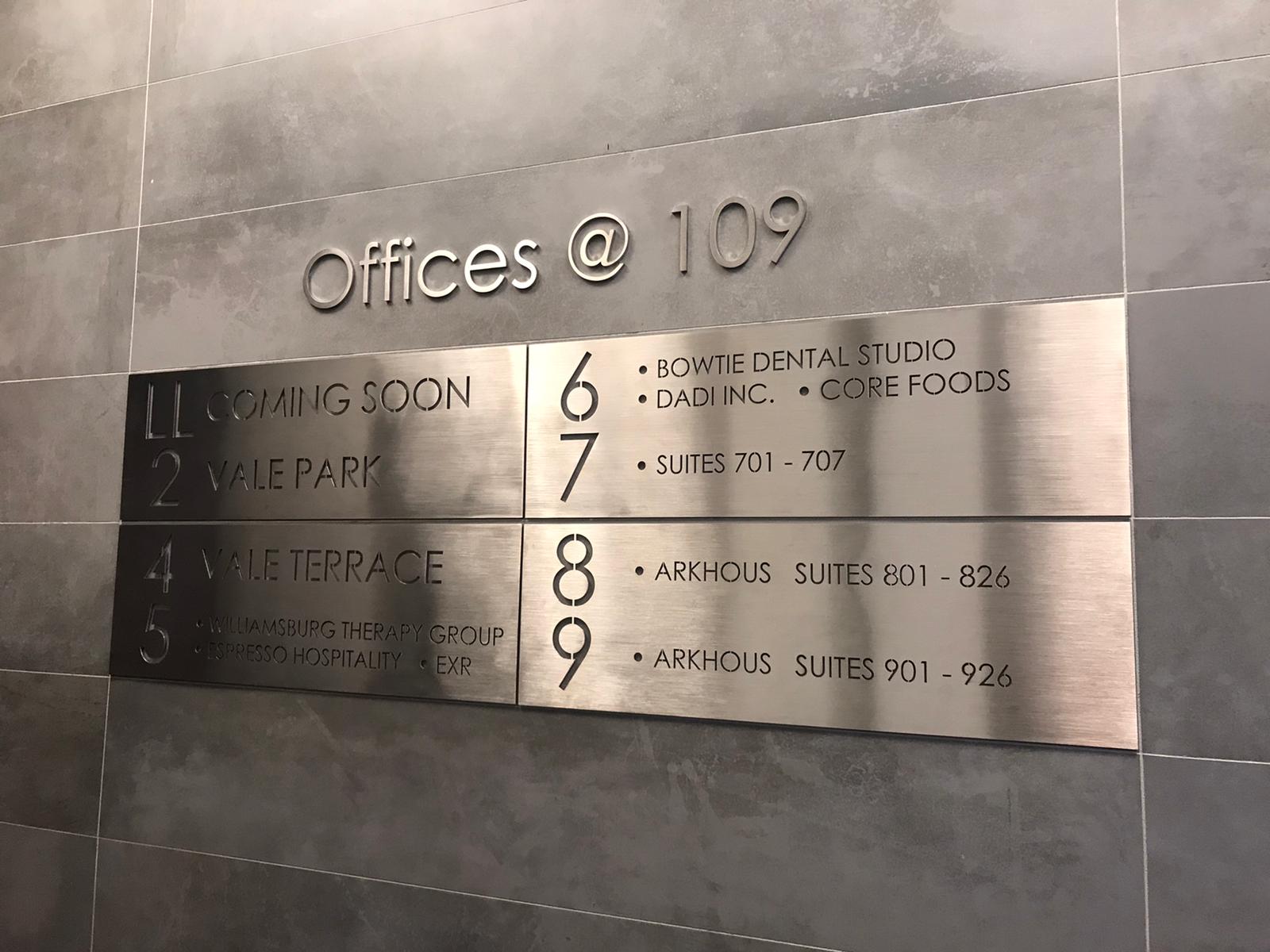
| Office directory signs | Lists teams, rooms and floors, usually by the elevators or at a corridor junction. | A framed or panel directory with changeable strips. |
| Office cubicle signs | Names or numbers of a workstation. | Clipped to a panel, fixed magnetically or attached to the desk. |
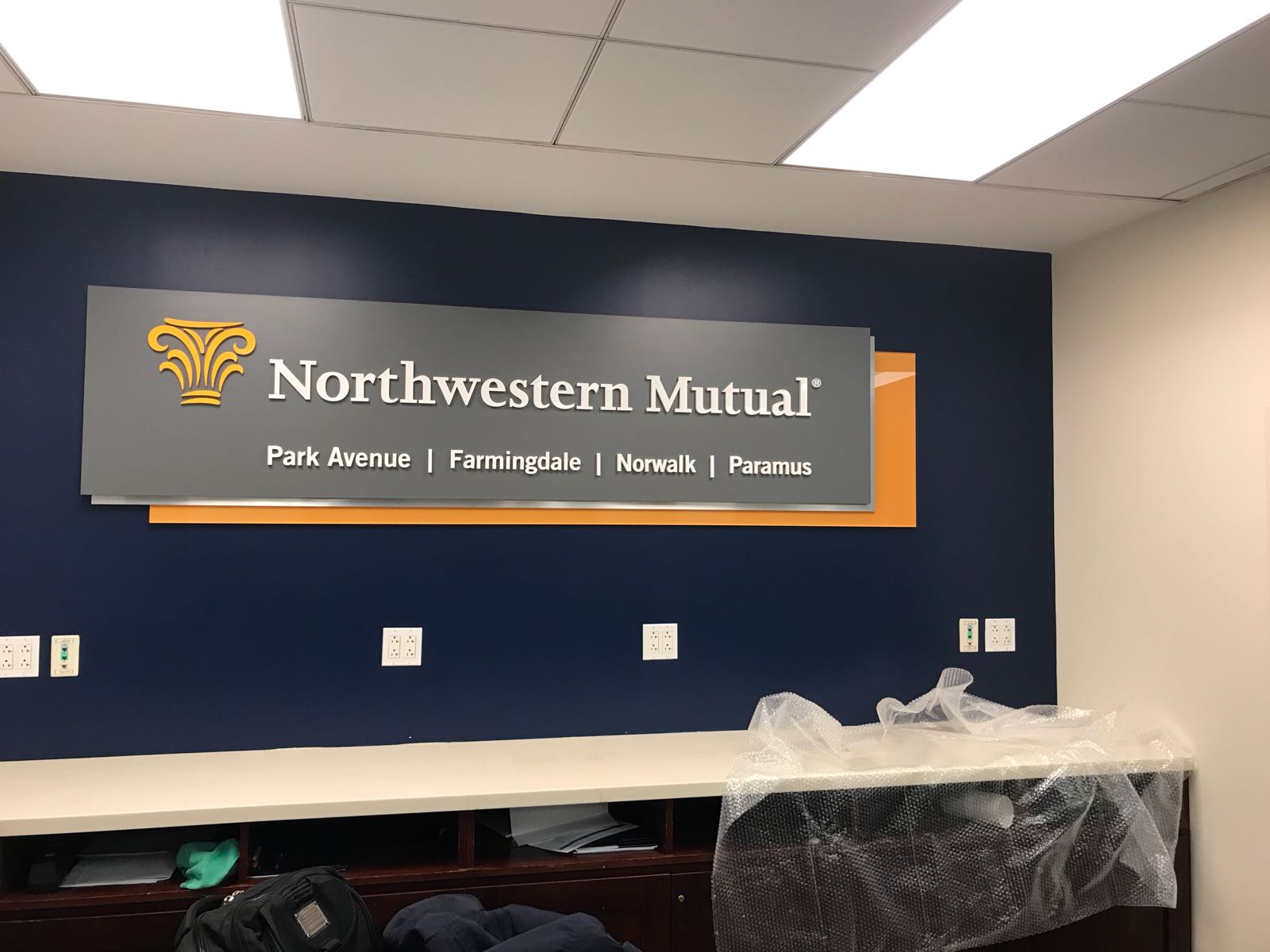
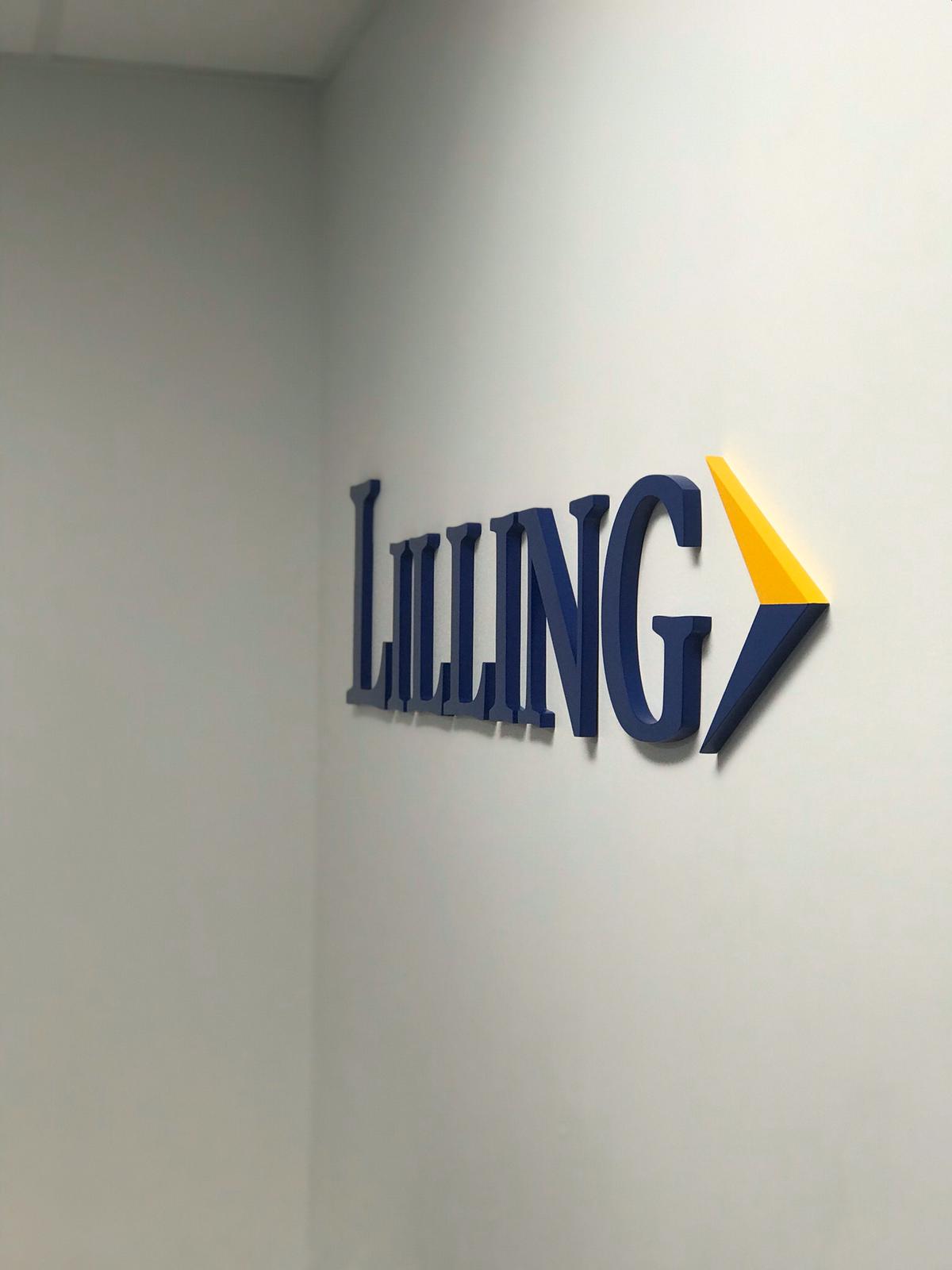
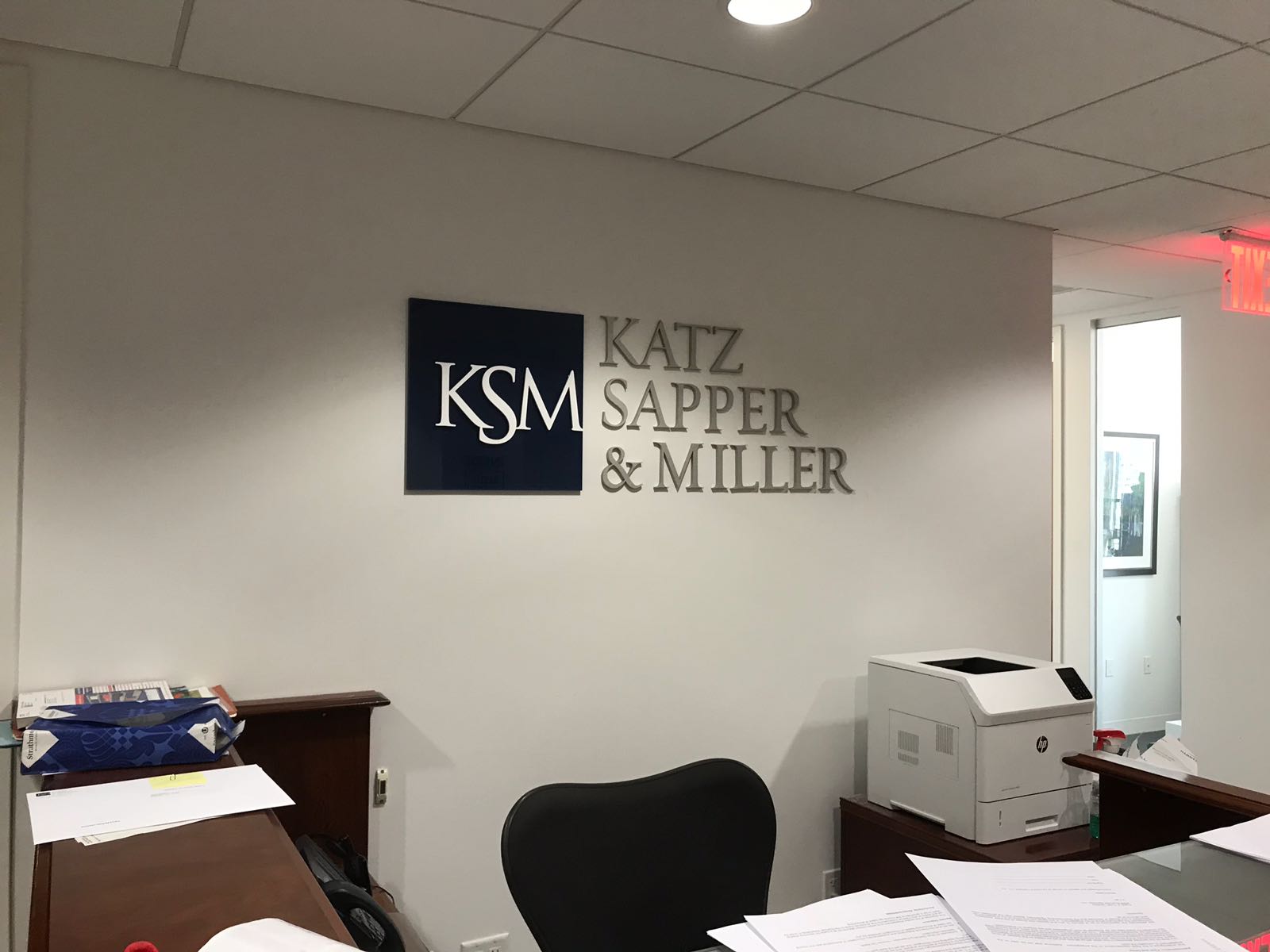
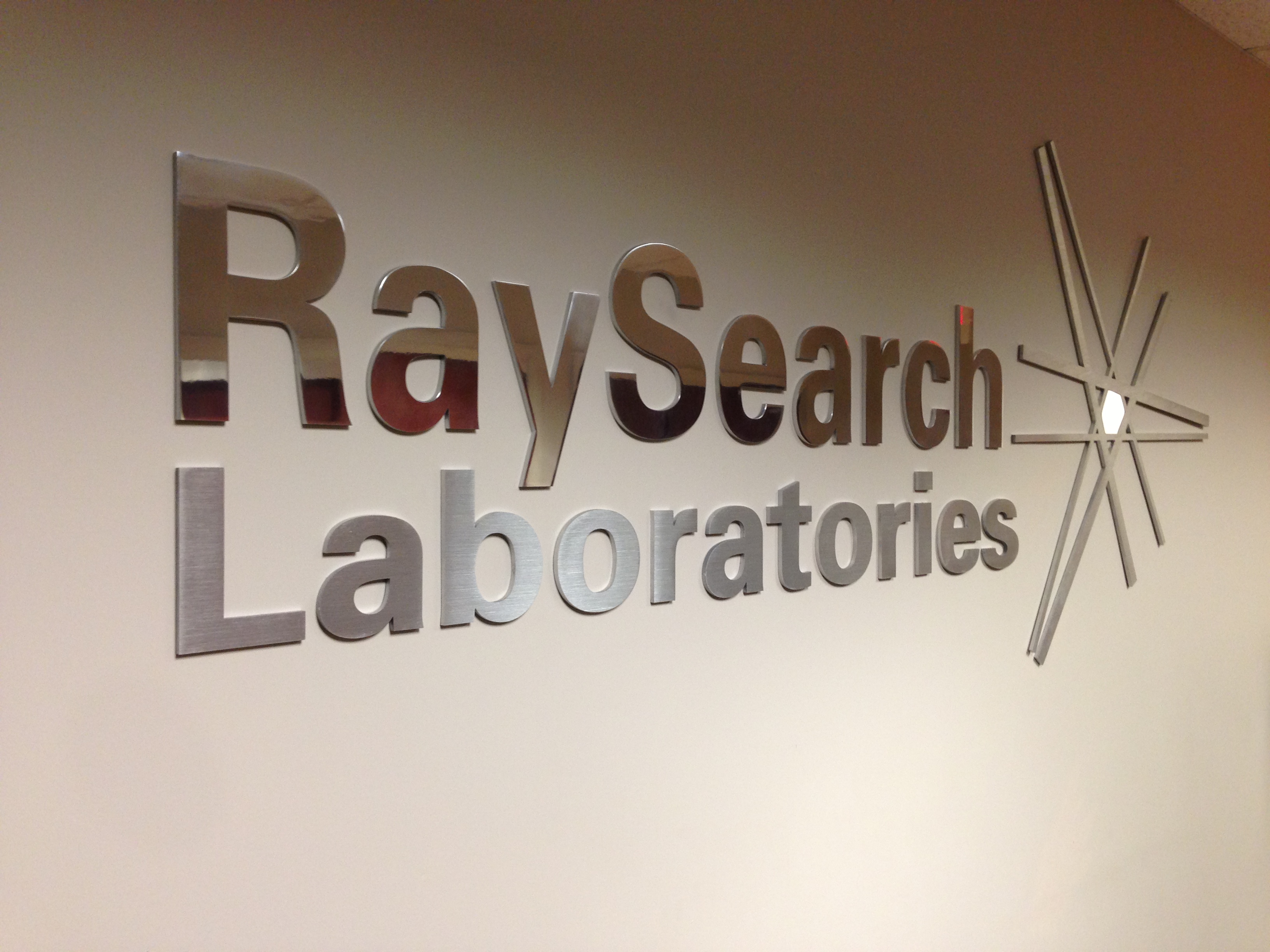
| Office wall signs | Brand, values, team names and department identity on walls. | Dimensional letters, vinyl lettering or printed panels. |
| Informational signs | Wi-Fi, quiet zones, recycling, kitchen notices. | Small matching plates or decals in the same style. |
Reception and lobby signs, glass graphics and the wider office signage picture are covered on our office signs page.
Office door signs and office room signs
The two terms get used interchangeably, but the rules treat them differently.
- Room signs identify the space. A sign saying “Conference Room 4” or “Restroom” identifies a permanent room. Under the ADA Standards, signs like these generally need raised characters and braille, and they are normally mounted on the wall beside the latch side of the door rather than on the door itself.
- Door signs name who is inside. A plate with a person’s name or a team name changes as people move. It usually does not need to be tactile, and it can go on the door, beside it or on the glass.
- One sign can do both. A combined sign can carry the permanent room number in tactile text and braille, with a slide-in window below for a name that changes.
- Flags for long corridors. A projecting sign above the door lets people find a room from the end of the corridor instead of reading each door.
Office directory signs
A directory tells a visitor where to go the moment they step out of the elevator. It is also the sign most likely to be out of date.
- Changeable strips. Individual name strips slide or clip into the frame, so one team moving does not mean replacing the whole directory.
- Spare lines. We design with room to grow, so a new team or floor has somewhere to go.
- Floor maps. On large or confusing floors, a simple plan with a “you are here” point does more than a list of names.
- Matched to the rest. The directory uses the same materials, typeface and colors as the door and room signs, so the system reads as one.
The main building lobby directory usually belongs to the building, not the tenant. Floor and suite directories inside your office are yours to design.
Office cubicle signs
Workstations have no door, so the sign has to attach to whatever the desk has. It also has to change more often than any other sign in the office.
| Workstation | How the sign attaches |
|---|---|
| Fabric panels | Clips that hook over the top of the panel, or hook-and-loop backing. No holes. |
| Metal panels and frames | Magnetic backing, so the sign can be moved in seconds. |
| Glass or acrylic screens | Clear clips or adhesive holders fixed to the screen. |
| Open desks with no panels | Desk-mounted holders, or numbers on a post or overhead sign. |
- Names or numbers. Assigned desks usually carry a name. Shared and hot-desking floors work better with numbers.
- Match the booking system. If desks are booked by number, the sign on the desk has to match the number in the system and on the floor plan. We work from the same list.
- Easy inserts. Paper or printed inserts behind a clear face let office managers change names without ordering new signs.
Office wall signs
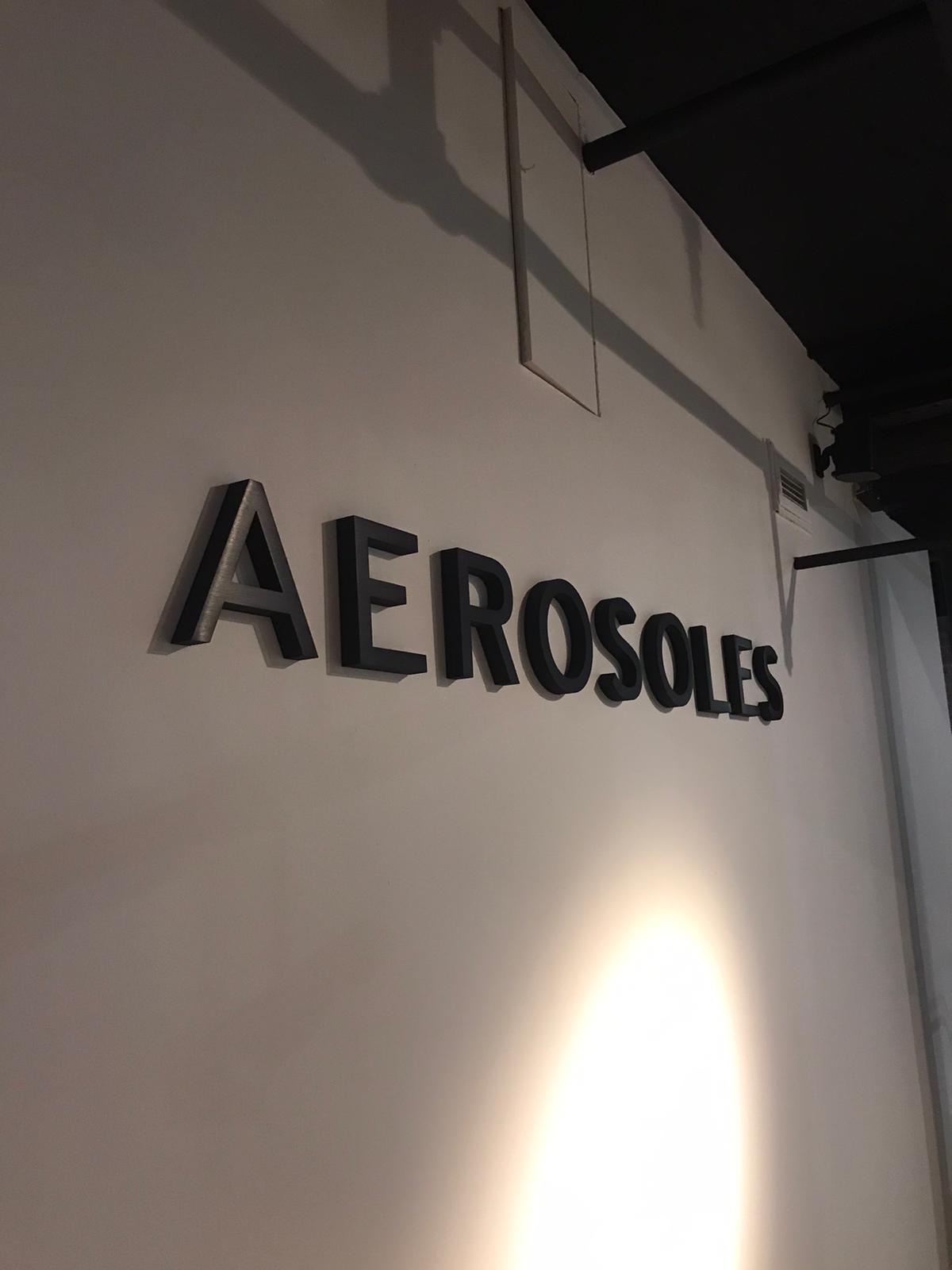
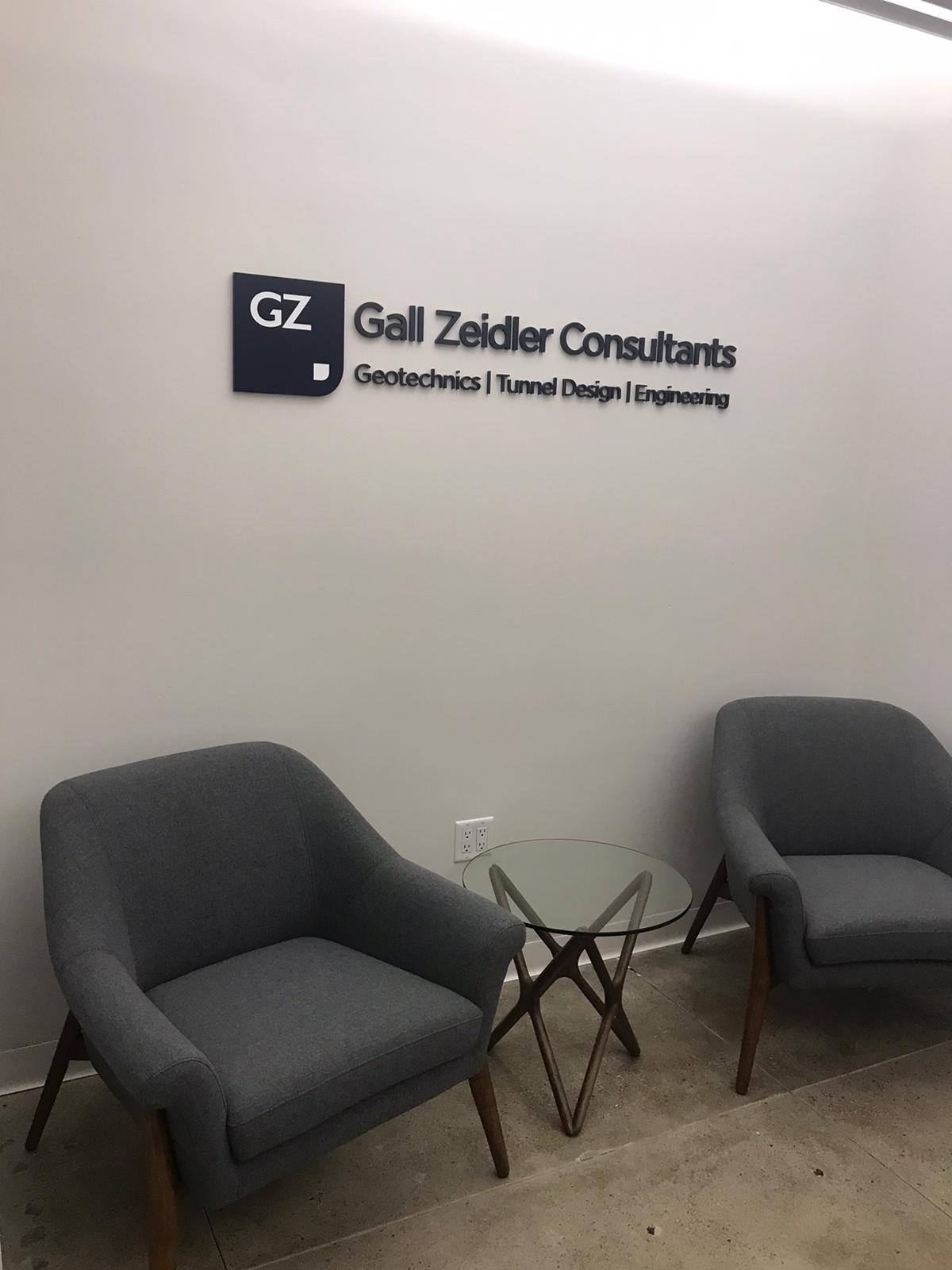
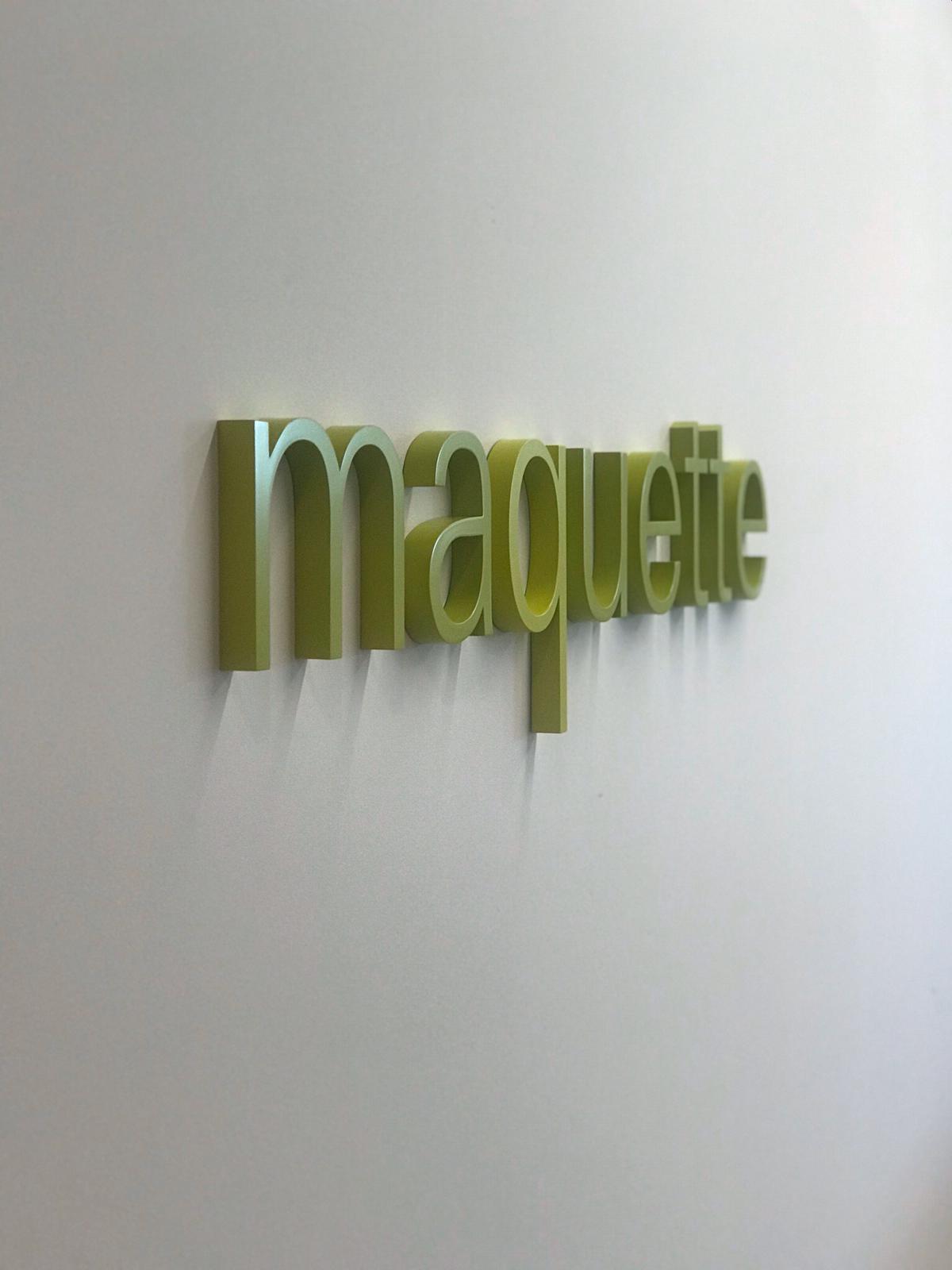
Office wall signs give a floor its character: a team name above a pod of desks, a values statement in the break area, a department name at the end of a corridor.
- Dimensional letters. Cut acrylic, metal or painted letters, stood off the wall or flush-mounted. They have presence without taking up floor space.
- Vinyl lettering. Cut vinyl applied straight to the wall. Crisp, affordable and removable. Fresh paint needs time to cure before vinyl goes on, or the vinyl may not stick.
- Printed panels. Acrylic, aluminum or foam board panels with printed graphics, fixed with standoffs or concealed cleats.
- Full walls. For graphics that cover a whole wall, see our wall murals page.
One system, and how it goes on the wall
Custom interior office signs work best when they share one set of rules, so the hundredth sign looks like the first.
- One template. A fixed layout, typeface, size and color for each sign type. New signs follow it automatically.
- One numbering logic. Room and desk numbers that follow the floor plan and the booking system, agreed before anything is made.
- Spares and inserts. Extra blank plates and insert stock, so a new name is a quick change rather than a new order.
Mounting that suits a lease
| Method | Best for | Worth knowing |
|---|---|---|
| Foam tape | Door plates and small signs on smooth surfaces | Quick and hole-free, but can lift paint when removed. |
| Screws or anchors | Heavier signs, flags and directories | The most secure. Leaves holes to fill at the end of a lease. |
| Standoffs | Panels and signs meant to stand out from the wall | A finished look. Needs drilled holes. |
| Concealed cleats or rails | Larger panels and changeable systems | Signs lift off and swap without new holes. |
| Magnets and clips | Cubicles and metal surfaces | No fixings at all. |
Room list to installed signs
- Send us the rooms. A floor plan, a room list or a spreadsheet of names and numbers, plus your logo and brand guidelines.
- Sign types. We agree on a small set of templates: room sign, door sign, flag, directory, cubicle sign, wall sign.
- Sign schedule. Every sign listed with its location, text, type and mounting method, checked against the floor plan.
- Samples. A finished sample of each sign type, so you approve the real material, color and insert.
- Fabrication. Made in our New York shop and packed by floor and room, so installation runs in order.
- Installation. Mounted after hours and checked sign by sign. You receive the templates and spare inserts.
Interior office signage that keeps up with the office
| Capability | What it means for your office |
|---|---|
| We design a system | Every sign follows one template, so reorders and additions match. |
| We match your numbering | Room and desk numbers agree with the floor plan and the booking system. |
| We plan for change | Changeable inserts and spare plates, so names update without new orders. |
| We choose lease-friendly mounting | Fixings suited to each surface and to the end of the lease. |
| We make tactile signs correctly | Room signs that need raised text and braille are made to meet the requirements. |
| We install after hours | Signs go up without disrupting the working day. |
Frequently Asked Questions About Interior Office Signs
What is the difference between an office door sign and a room sign?
A room sign identifies a permanent space, such as a meeting room, restroom or stairwell, and often needs raised characters and braille. A door sign names the person or team using the space and changes when they move. One sign can combine both: a permanent tactile room number with a changeable name insert.
Do office room signs need braille?
Signs that identify permanent rooms and spaces generally do under the ADA Standards. They also need raised characters, contrast, a non-glare finish and the correct mounting height. Name plates, directories and directional signs generally do not need braille.
Can we change the names ourselves?
Yes. Door signs, cubicle signs and directories can be made with slide-in or clip-in inserts that office staff can print or swap. We supply the template, so new inserts match the originals.
How are cubicle signs attached?
It depends on the workstation. Clips hook over fabric panels, magnets hold to metal frames, clear holders attach to screens, and desk-mounted holders suit open desks. None of these need holes.
Will the signs damage our walls?
Every fixing leaves some trace, so we choose the method with your lease in mind. Tape is hole-free but can lift paint. Screws are secure but leave holes to fill. Rails and cleats let signs be changed without new holes. We will tell you the trade-off for each sign type.
Can you match signs we already have?
Usually, yes. Send us photos, measurements and ideally a sample sign. We can match materials, sizes and typefaces closely. Where the original material is no longer available, we suggest the closest option.
Can you number desks to match our booking system?
Yes. We work from the same list or floor plan as your booking system, so the number on each desk matches what people book.
What do you need to quote?
A floor plan or room list, the number of each sign type, your logo and brand guidelines, and your installation date. Photos of the doors, walls and workstations help us choose the right mounting.
View Our Projects