

How to Choose the Best Material for Custom Plaques: Bronze, Brass, Aluminum, Acrylic & More

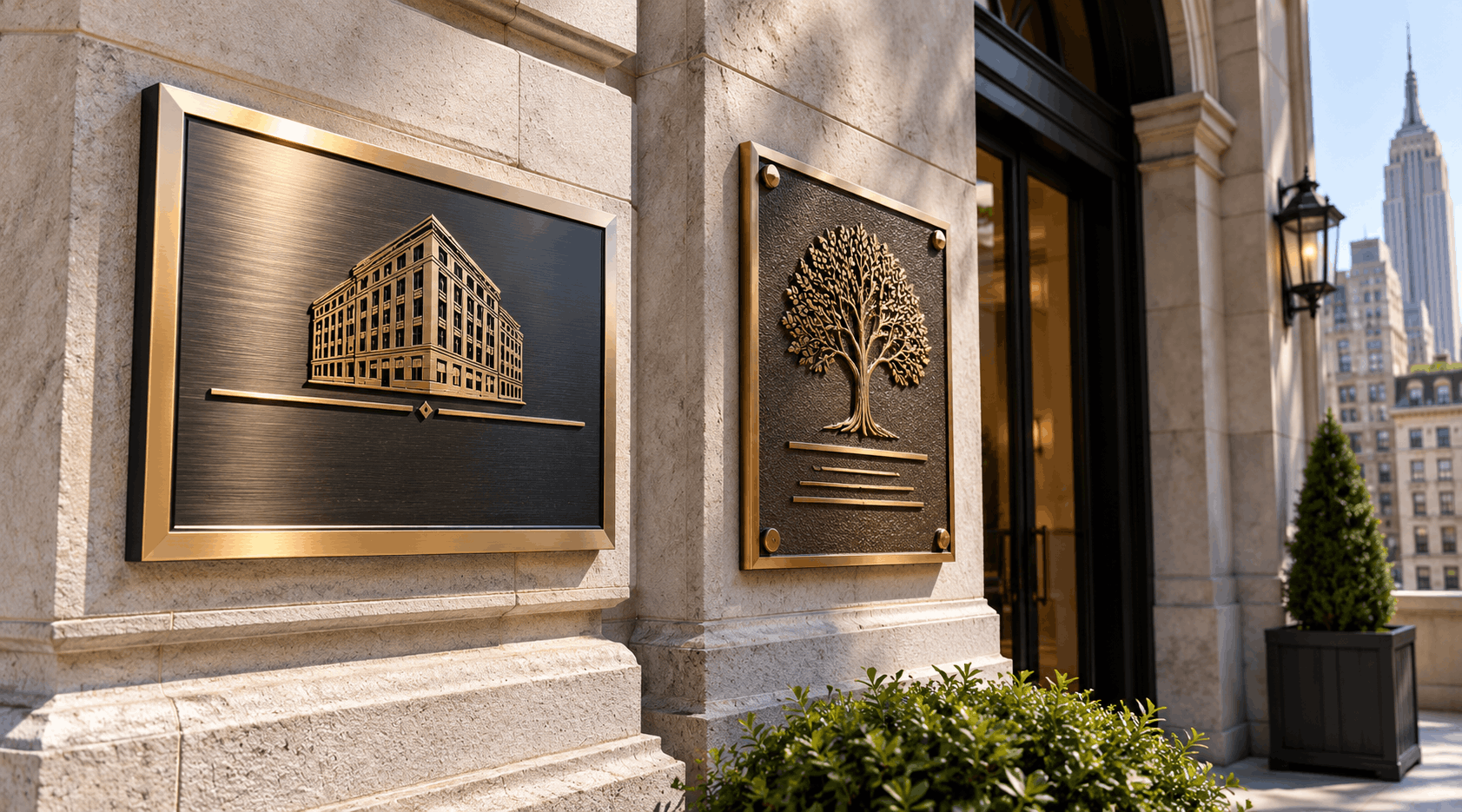
Custom plaques made from bronze, brass, aluminum, and acrylic materials

Plaques serve different purposes, from recognising employees to marking building entrances and commemorating important milestones. The material you choose affects how a plaque looks, how long it lasts and how much maintenance it needs. For US businesses, universities, healthcare facilities and commercial property managers, the right choice depends on where the plaque will be installed and what it needs to communicate. Understanding the differences between common materials helps you make a practical decision without paying for features you do not need.

What Should You Consider Before Choosing a Plaque Material?

Before comparing materials, consider the plaque’s location, purpose and expected lifespan. A plaque inside a corporate office has different requirements from one exposed to direct sunlight, rain and seasonal temperature changes.

Start with these four factors:

Installation Location: Outdoor plaques need to withstand moisture, sunlight and temperature changes. Indoor plaques offer more flexibility because they face fewer environmental stresses.

Purpose: An awards plaque may prioritise appearance, while a building identification plaque needs clear lettering and lasting durability.

Budget: Material costs vary, and engraving, finishing, mounting and installation can affect the total price.

Maintenance: Some finishes need periodic cleaning or refinishing, while others require little more than routine care.

For example, a plaque outside a university building in Chicago needs to handle winter weather, while one inside a New York conference room can focus more on design and presentation.

Comparing Popular Plaque Materials

Each material offers a different balance of appearance, durability, cost and maintenance. The best option depends on the conditions in which the plaque will be used.

Bronze: For Traditional and Commemorative Plaques

Bronze is a strong choice for memorials, donor recognition and historic building plaques. Its warm, traditional appearance suits settings where permanence and formality are important.

Bronze develops a natural patina over time, which can add character but may not suit every design. It is generally more expensive than many lightweight alternatives, so it works best when long-term value and a classic finish justify the initial cost.

Brass: For A Polished, Professional Finish

Brass has a distinctive golden appearance that suits corporate offices, hotels and professional buildings. It can be engraved to create clear lettering and detailed designs.

However, brass may tarnish with exposure to air and moisture. If you want to maintain its bright finish, you may need regular cleaning or a protective coating. It is a practical option for indoor recognition plaques and decorative signs where appearance is a priority.

Aluminium: For Lightweight and Durable Signage

Aluminium is lightweight, versatile and suitable for many indoor and outdoor applications. It resists rust, making it useful for building identification, equipment labels and directional signage.

It can also be finished in different colours and textures to complement your organisation’s branding. For businesses that need several plaques across an office campus or commercial property, aluminium offers a useful balance of durability and manageable installation costs.

Acrylic: For Modern and Customisable Designs

Acrylic provides a clean, contemporary appearance and can be produced in various colours, shapes and thicknesses. It works well for office directories, reception displays, employee recognition and branded interior signage.

Acrylic is often more affordable than solid metal plaques, although costs depend on the design and fabrication method. It can scratch more easily than metal and may be less suitable for exposed outdoor locations unless the product is specifically designed for those conditions.

Stainless Steel: For Contemporary, Hard-Wearing Plaques

Stainless steel offers a sleek, modern finish for commercial buildings, laboratories and healthcare facilities. It is durable and resistant to corrosion, although performance depends on the grade of steel and the surrounding environment.

It is worth considering for plaques that need a professional appearance and dependable performance in demanding settings.

How to Match the Material to Your Business Needs

The easiest way to narrow your options is to match the material to the plaque’s main function.

Plaque Application Suitable Material Main Advantage


Memorials and donor recognition Bronze Traditional appearance


Corporate office nameplates Brass or acrylic Professional presentation


Outdoor building identification Aluminium or stainless steel Durability


Reception areas and directories Acrylic Design flexibility


Healthcare and commercial facilities Stainless steel Hard-wearing finish


These are starting points rather than fixed rules. A protective coating, engraving method and mounting system can influence the final result.

Engraving, Finishes and Installation

Material selection is only one part of the decision. The lettering method and finish affect legibility, appearance and long-term performance.

For example, engraved lettering can create a permanent, professional look on metal plaques, while printed graphics may offer more colour options. Brushed metal creates a subtle finish, whereas polished metal provides greater shine.

Before approving production, check that the lettering remains readable at the intended viewing distance. Confirm the plaque’s dimensions, mounting method and wall surface. For outdoor installations, use suitable fixings and finishes to account for local weather conditions.

Frequently Asked Questions (FAQ’s):

1. Which Plaque Material Is Best for Outdoor Use?

Aluminium and stainless steel are practical options for many outdoor plaques because of their corrosion resistance. Bronze is also suitable for commemorative installations. The best choice depends on exposure, finish and maintenance requirements.

2. Is Brass Better Than Bronze for Plaques?

Neither is universally better. Brass offers a bright golden finish suited to decorative and professional settings, while bronze is often chosen for memorials and traditional recognition plaques.

3. Is Acrylic Suitable for Business Plaques?

Yes. Acrylic works well for indoor office signs, reception displays and employee recognition. For outdoor use, confirm that the material and finish are designed to withstand the expected conditions.

4. How Can You Make a Plaque Last Longer?

Choose a material suited to its environment, use appropriate protective finishes and install it with suitable fixings. Regular cleaning based on the manufacturer’s care instructions can also help preserve its appearance.

5. What Affects the Cost of a Custom Plaque?

The material, dimensions, thickness, engraving or printing method, finish and mounting requirements all influence the price. Complex shapes and installation work can add to the total cost.

Choosing the right plaque material starts with its purpose, location and expected lifespan. Bronze suits commemorative projects, brass offers a polished appearance, aluminium provides practical durability, acrylic supports modern designs and stainless steel works well in demanding commercial settings.

If you are planning new signage or recognition displays, compare material samples and confirm the fabrication and installation requirements before committing to a design. Velement’s signage and visual communication services can help businesses assess options for their physical spaces. The right Custom Plaques should meet your practical needs while maintaining a clear, professional appearance over time.
Retractable vs. Fixed Commercial Awnings: Which Is Best for Your Business?

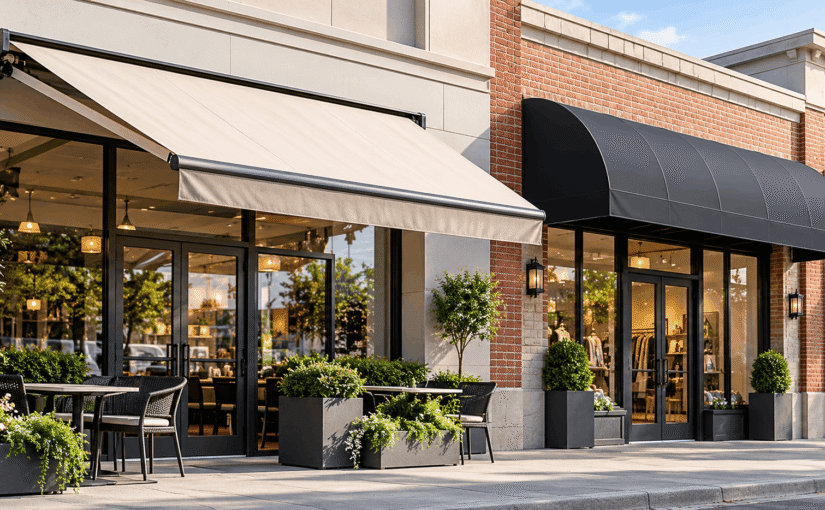
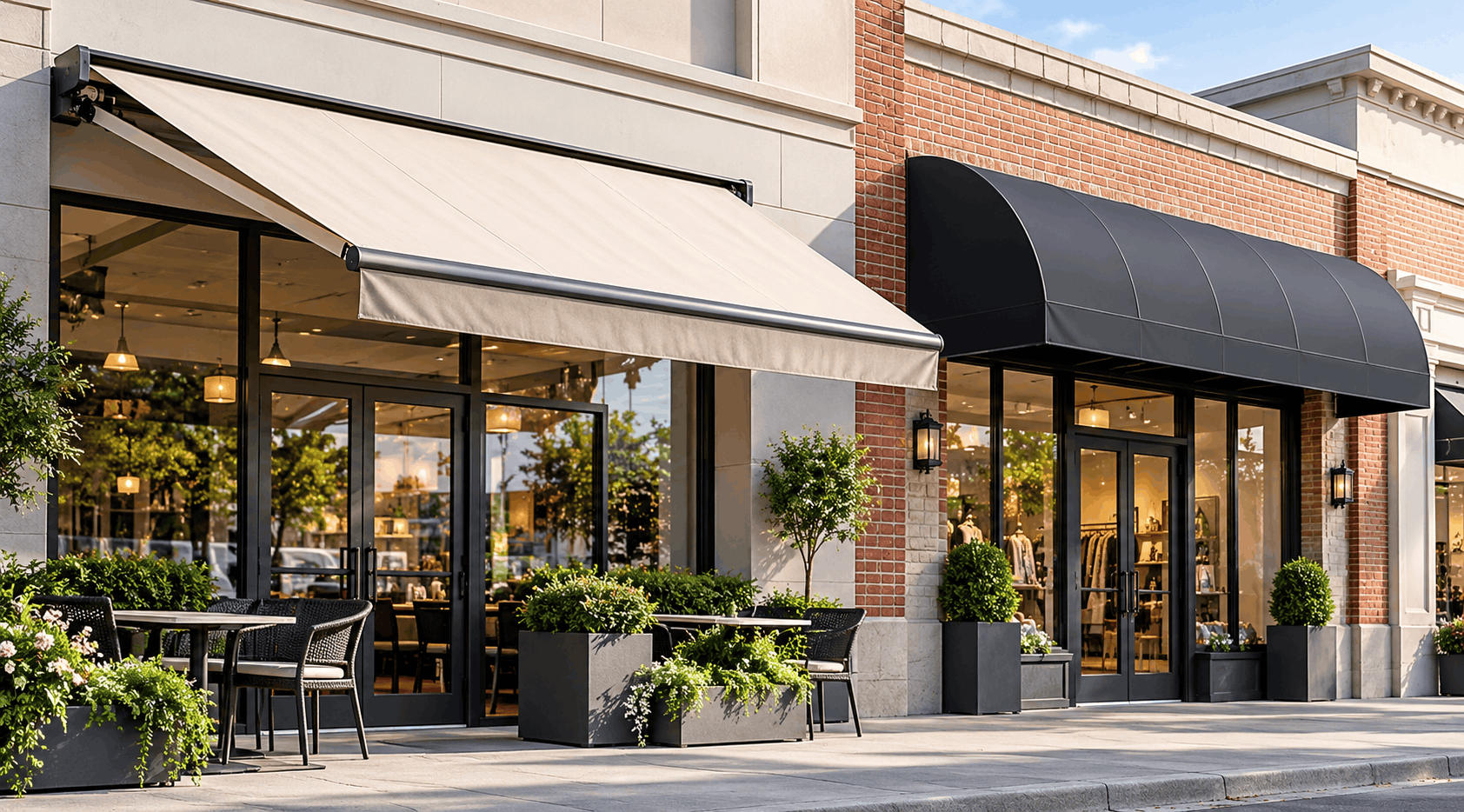
Retractable vs. fixed commercial awnings installed on business storefronts

Awnings can help businesses manage sunlight, provide shelter and make outdoor areas more comfortable for customers. However, choosing the wrong design can lead to unnecessary maintenance, limited usability or higher operating costs. For a restaurant in Florida, a retractable awning may offer flexibility during changing weather, while a retail shop in Arizona might benefit from a permanent shaded entrance. Understanding the differences between retractable and fixed designs helps you choose an option that suits your building, climate and daily operations.

What Is The Difference Between Retractable And Fixed Awnings?

Both options provide shade and weather protection, but they differ in how they operate and the level of flexibility they offer.

Retractable Awnings

These awnings extend when you need shade and retract when you want more sunlight or clear space. Depending on the model, you can operate them manually or with a motor. They suit businesses that need adaptable outdoor areas.

Fixed Awnings

These structures remain in place throughout the year. Their permanent frames provide consistent coverage over entrances, windows and outdoor seating areas. They suit businesses that require dependable shade in the same location every day.

Key Factors To Consider Before Choosing

The right option depends on how your premises are used, the local weather and the level of upkeep you can manage.

Weather Conditions And Durability

Climate should be a major factor in your decision, particularly if your business operates outdoors.

Retractable Awnings: You can retract them when strong winds or severe weather are forecast, provided you follow the manufacturer’s operating instructions. This can reduce exposure, but it does not make the awning storm-proof.

Fixed Awnings: These offer permanent coverage, but their frames, fixings and fabric must withstand local conditions. Snow loads, heavy rain and wind can affect the design requirements.

For example, a café in coastal Florida needs to account for tropical storms, while a shop in Minnesota may need to consider snow accumulation. Neither design is automatically suitable without proper assessment.

Installation Costs And Maintenance

Your initial budget should include more than the purchase price. Installation complexity, materials and long-term servicing can influence the overall cost.

Retractable models may cost more when they include motors, sensors or specialised mechanisms. These components also require maintenance. Fixed designs can have simpler operating systems, although their structural supports and weather-exposed materials still need periodic inspection.

Ask suppliers for a breakdown of installation, maintenance and expected replacement costs before making a decision.

Appearance And Brand Visibility

An awning contributes to the appearance of your premises as well as its practical use.

A retractable design can create an open, unobstructed storefront when retracted. A fixed awning offers a consistent architectural feature and can provide a permanent surface for displaying your business name or logo. Both can be customised with suitable colours, materials and branding.

Check visibility from the pavement and road before finalising the design. An attractive awning will have limited value if it obscures existing signs or makes the entrance harder to identify.

Which Awning Works Best For Your Business?

Your business activities should guide your choice more than appearance alone. Consider how customers use the space and how often you need to adjust the coverage.

Business Type Suitable Option Main Reason

Restaurants And Cafés

Retractable

Allows outdoor seating to adapt to changing sunlight and operating needs.

Retail Storefronts

Fixed

Provides consistent shelter at entrances and windows.

Hotels And Hospitality Venues

Either

The choice depends on whether the space needs flexible coverage or a permanent feature.

Offices And Commercial Buildings

Fixed

Offers consistent shade for selected windows or entrances.

Businesses With Seasonal Outdoor Areas

Retractable

Allows the covered area to be opened up when shade is unnecessary.


These are starting points rather than strict rules. A restaurant with a permanently covered terrace may prefer a fixed structure, while a retail business with a sunny display window may benefit from a retractable option.

Check Local Building Requirements Before Installation

Before approving a design, check the rules that apply to your building and location. Requirements can vary between US cities and may cover structural safety, permits, fire performance and projections over public pavements. The International Building Code addresses wind and snow loads for awnings and canopies, while local authorities may impose additional conditions. 

Confirm the following before placing an order:

Permits And Approvals: Ask your local building department whether you need a permit or design approval. Check additional requirements if your property is in a historic district or the awning extends over a public walkway.

Materials And Structural Support: Ensure the proposed frame, fixings and covering suit the building and local weather conditions. Professional assessment is especially important for large installations.

Clearance And Accessibility: Make sure the awning does not obstruct pedestrian movement, entrances or existing signs.

Planning these details early can help prevent costly changes during installation.

Frequently Asked Questions (FAQ’s):

1. Are Retractable Awnings Better Than Fixed Awnings?

Neither option is universally better. Retractable awnings provide flexibility, while fixed awnings offer permanent coverage. Your local climate, budget and intended use should determine the most suitable choice.

2. Do Retractable Awnings Require More Maintenance?

They can require additional servicing because motors, moving arms and retracting mechanisms have more components than a simple fixed structure. Regular inspections and following the manufacturer’s care instructions help keep the system working properly.

3. Can Fixed Awnings Withstand Heavy Wind And Snow?

They can be designed for specified environmental loads, but their performance depends on engineering, materials and installation. Check local building requirements and do not assume that a permanent awning can withstand every weather condition.

4. Can Awnings Display My Business Logo?

Yes. Both fixed and retractable designs can incorporate branding, depending on the material and configuration. Consider how clearly your logo will appear when the awning is extended or retracted.

5. Do Commercial Awnings Need A Permit In The USA?

Permit requirements vary by city, state and installation type. Contact your local building department before starting work, particularly if the structure projects over a pavement or public right-of-way.

Conclusion

The choice between retractable and fixed designs comes down to flexibility, durability, maintenance and how your business uses its outdoor space. Compare the full installation costs, assess local weather conditions and confirm building requirements before committing to a design.

When planning Commercial Awnings, consider how the structure will work with your storefront, signage and overall brand presentation. Velement’s experience in architectural signage, custom displays and visual branding can help businesses coordinate these physical elements into a consistent commercial environment.

2027 Custom Business Signs Trends: What U.S. Businesses Need to Know

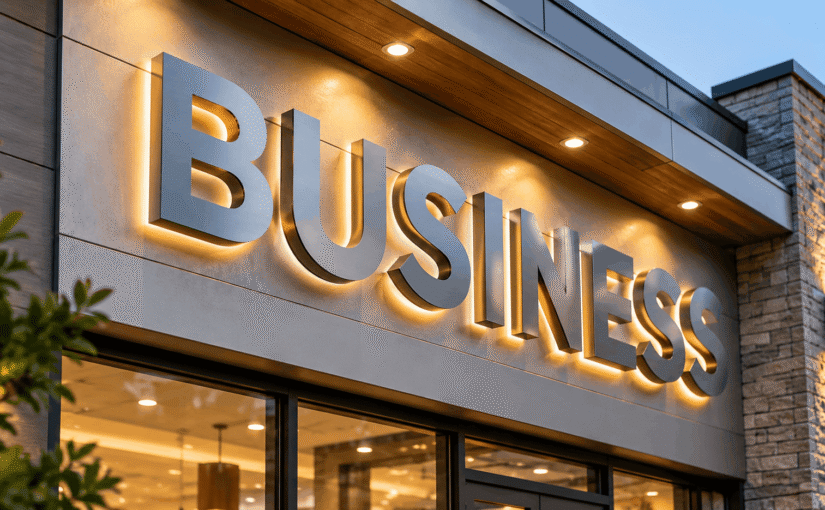
Custom business sign trends for 2027 in the USA

Business signage is evolving as businesses look for clearer ways to attract customers, communicate information and create recognisable spaces. In 2027, U.S. businesses can expect continued interest in energy-efficient lighting, digital displays, sustainable materials and signage that supports accessibility. The right choices depend on your location, audience and daily operations. Whether you manage a neighbourhood shop in Chicago or a multi-location retail brand across the United States, understanding these trends can help you plan signage that remains useful, legible and consistent with your brand.

1. Energy-Efficient LED Signage

LED technology remains a practical choice for businesses that need visible signage without excessive energy consumption. It is particularly useful for storefronts, shopping centres and commercial buildings that operate after dark.

Businesses can explore several options:

Illuminated Channel Letters: These three-dimensional letters use internal lighting to make business names easier to see from streets and car parks. Restaurants, hotels and retail stores can use them to improve visibility during evening hours.

Backlit Signs: Lighting placed behind lettering or panels creates a clear, evenly illuminated appearance. This works well for office entrances, reception areas and building directories.

Smart Lighting Controls: Timers and dimming systems can help businesses adjust lighting to operating hours and local conditions, reducing unnecessary energy use.

When choosing illuminated signs, consider brightness, maintenance access and local lighting regulations before installation.

2. Digital Displays That Adapt to Customer Needs

Digital signage allows businesses to update messages without replacing printed panels. This flexibility can be valuable for organisations that regularly change promotions, prices or announcements.

For example, a quick-service restaurant in Texas could use a digital menu board to display breakfast and lunch offerings at different times. A retail store in New York could highlight seasonal promotions or communicate product availability.

However, digital signage is not necessary for every business. Before investing, consider the cost of screens, software, installation and ongoing maintenance. You should also ensure that essential information remains readable and that screen brightness suits the surrounding environment.

3. Sustainable Materials and Longer-Lasting Signs

Environmental considerations are influencing purchasing decisions across many industries, including commercial signage. Businesses can explore materials and production methods that reduce waste while meeting practical requirements.

Useful approaches include:

Durable Materials: Choose materials suited to the installation environment to reduce premature replacement. Outdoor signs in coastal Florida, for instance, need to withstand moisture, sunlight and corrosion.

Responsible Material Selection: Ask suppliers about recycled content, material sourcing and whether components can be recycled at the end of their useful life.

Replaceable Sign Components: Modular panels and replaceable lettering can make updates easier when business names, opening hours or promotional messages change.

Sustainability claims should be verified with suppliers. A material is not automatically the better environmental choice simply because it is labelled recyclable.

4. Minimalist Designs With Clear Messaging

A sign has only a short time to communicate its message, particularly when people are walking past or driving by. In 2027, businesses can benefit from simple layouts that prioritise legibility over decorative detail.

Focus on three essentials:

Readable Typography: Choose fonts that remain clear at the intended viewing distance. Avoid overly decorative lettering for important information.

Strong Contrast: Make text stand out against its background, especially on outdoor signs exposed to changing light conditions.

Focused Messaging: Display the business name, key service or directional information without crowding the design with unnecessary details.

For example, a dental practice in a busy suburban shopping area may benefit more from a clearly displayed name and entrance marker than from a sign containing every available service.

5. Accessible and Consistent Signage Systems

Businesses are also recognising the importance of signage that helps different people navigate physical spaces. Clear wayfinding is particularly useful in hospitals, university campuses, hotels, shopping centres and large office buildings.

A well-planned system may include entrance signs, directional arrows, floor directories and room identification signs. Consistent colours, symbols and placement help visitors understand where to go without repeatedly asking staff for assistance.

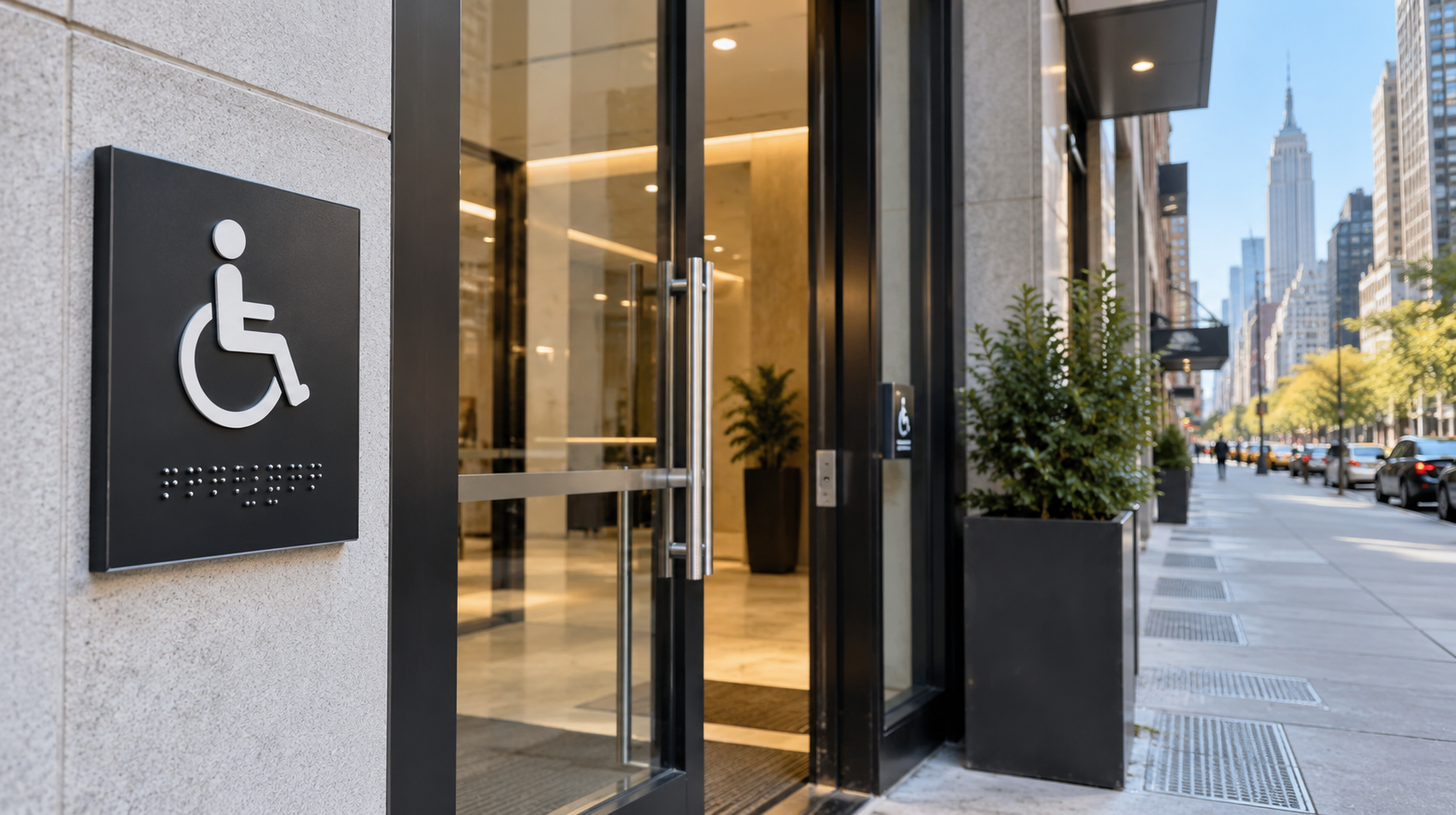
In the U.S., businesses should review applicable accessibility requirements, including relevant provisions of the Americans with Disabilities Act (ADA). Requirements vary by sign type and location, so confirm the rules before finalising designs.

6. Brand Experiences Beyond the Storefront

Signage increasingly works alongside interior graphics, window films, wall displays and environmental branding to create a consistent customer experience. These elements can carry a brand’s visual identity from the entrance through the interior.

A clothing retailer in Los Angeles, for instance, might combine exterior lettering with branded window graphics, fitting-room identifiers and in-store promotional displays. An office in Seattle could use reception signage and floor directories to reinforce its identity while helping visitors navigate the building.

The key is consistency. Colours, typography and messaging should work together without making the space difficult to navigate.

How to Choose The Right Signage Trends For Your Business

Not every trend will suit every business. Before committing to a new sign, consider your budget, location, audience and long-term plans.

Use these questions to guide your decision:

What Is The Main Goal? Decide whether you need to attract passers-by, direct visitors, promote offers or strengthen brand recognition.

Where Will The Sign Be Installed? Consider viewing distance, lighting, weather exposure and the available installation space.

What Rules Apply? Check local zoning ordinances, landlord restrictions, permitting requirements and relevant accessibility standards.

What Will It Cost Over Time? Include fabrication, installation, electricity, cleaning, repairs and future updates in your budget.

Planning these details early can help you avoid unnecessary changes and select signage that meets your actual business needs.

Frequently Asked Questions (FAQ’S):

1. What Is The Biggest Business Signage Trend For 2027?

Energy-efficient illumination, adaptable digital displays, sustainable material choices and accessible wayfinding are important areas to consider. The best option depends on your business goals and location.

2. Are Digital Signs Better Than Traditional Signs?

Not always. Digital signs are useful when messages change frequently, while traditional signs can be more cost-effective for permanent business names, directions and building identification.

3. Which Sign Materials Are Best For Outdoor Use?

The right material depends on climate, exposure, design and budget. Aluminium, suitable acrylics and other weather-resistant materials may be appropriate, but specifications should be checked for each installation.

4. Do U.S. Businesses Need Permits For New Signs?

Many jurisdictions regulate sign size, placement, illumination and installation. Requirements differ by city, county, property type and sign design, so check with the relevant local authority before proceeding.

5. How Can Businesses Make Their Signs More Accessible?

Use legible lettering, suitable contrast and clear directional information. Where applicable, follow ADA requirements for features such as tactile characters, Braille and sign placement.

Conclusion

The most useful signage trends for 2027 combine visibility, clear communication, durability and a better customer experience. U.S. businesses should prioritise the features that support their locations and customers rather than adopting every new design idea.

With careful planning, Custom Business Signs can help your business communicate its identity, guide visitors and maintain a consistent appearance across physical locations. Working with an experienced signage provider such as Velement can also help you coordinate design, fabrication and installation around your project requirements.

Types of Wayfinding Signs Every Business Should Consider

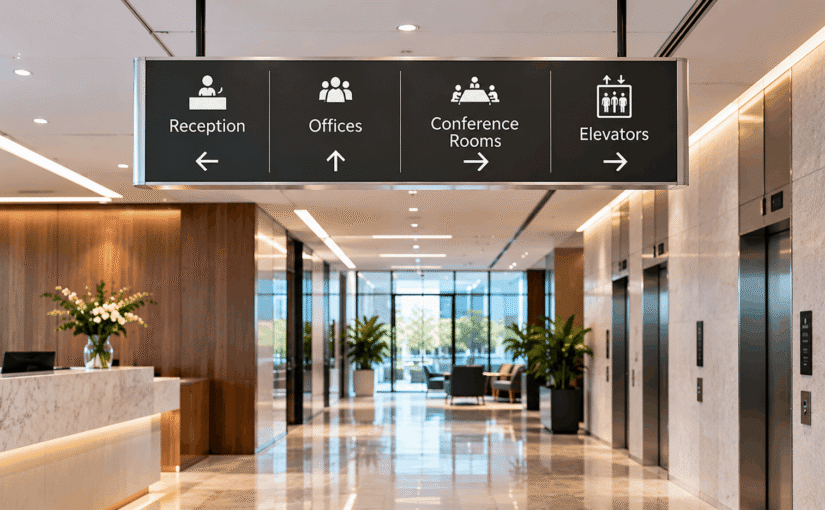
Types of wayfinding signs every business should consider

Visitors should not have to ask for directions every time they enter your building. In offices, shopping centres, hospitals and large commercial facilities, clear navigation helps people find their destinations without unnecessary delays. Poor signage can cause confusion, increase pressure on reception staff and create a frustrating visitor experience. The right signs make your space easier to navigate while supporting accessibility and a consistent brand identity. For US businesses, choosing signage that suits the building layout and visitors’ needs is an important part of planning a functional commercial space.

1. Directional Signs

Directional signs help visitors move from one location to another. They are particularly useful in buildings with multiple floors, corridors or departments.

For example, an office in New York may need signs pointing towards meeting rooms, lifts, reception and employee facilities. A shopping centre in Texas may require directions to individual stores, food courts and exits.

Effective directional signs should:

  • Use Clear Arrows: Position arrows beside destination names so visitors can understand which way to go at a glance.
  • Keep Messages Short: Use familiar terms such as “Reception”, “Restrooms” and “Parking” rather than lengthy descriptions.
  • Maintain Consistency: Use the same visual style throughout the building to make navigation predictable.

2. Identification Signs

Identification signs tell visitors when they have reached the correct destination. They are useful in workplaces, healthcare facilities, hotels and retail environments.

Common examples include room numbers, department names, office names and signs identifying specific services. In a medical centre, these signs can help patients locate the correct department without repeatedly asking staff for assistance.

Place identification signs where visitors can see them before entering a room or area. Consistent positioning and readable lettering make destinations easier to recognise.

3. Informational Signs

Informational signs provide details visitors need to understand how a space operates. Unlike directional signs, they focus on useful instructions rather than showing the way.

These signs can include building directories, opening hours, visitor check-in instructions and facility guidelines. For instance, a corporate office in Chicago might display visitor registration instructions near the entrance, helping guests complete the check-in process independently.

Use informational signs to answer common questions before visitors need to ask them. Keep the wording concise and organise details in a logical order. Too much text can make important information difficult to find.

4. Safety And Emergency Signs

Safety signs help people recognise hazards, follow building rules and locate emergency routes. They are essential in commercial buildings, warehouses, manufacturing facilities and public venues.

For example, a distribution centre in Ohio may need signs identifying fire exits, emergency equipment and restricted areas. These signs should remain visible even when the building is busy.

When planning safety signage, consider the following:

  • Emergency Exits: Clearly identify exit routes and keep signs visible along escape paths.
  • Hazard Warnings: Use suitable warning signs near electrical equipment, machinery or other potential hazards.
  • Accessible Routes: Provide appropriate directions to accessible entrances and routes where required.

US businesses should check applicable building and fire codes alongside the Americans with Disabilities Act (ADA) Standards for Accessible Design. Requirements vary by sign type and location.

5. Floor Directories And Maps

Floor directories and maps give visitors an overview of a building before they begin navigating it. They are especially useful in multi-tenant offices, hospitals, universities and shopping centres.

A commercial building in Los Angeles, for instance, may accommodate several businesses across multiple floors. A directory near the main entrance can show company names, floor numbers and lift locations.

To make these signs useful:

  • Choose Strategic Locations: Place directories near entrances, reception areas and major decision points.
  • Organise Information Clearly: Group destinations by floor, department or business name to help visitors scan the information.
  • Update Details Regularly: Revise directories when tenants move, departments change or facilities are renovated.

6. Exterior And Car Park Signs

Navigation begins before visitors enter your building. Exterior signs help people identify entrances, locate parking and approach the correct part of a site.

These signs are particularly important for business parks, hotels, retail centres and healthcare campuses with multiple buildings or access points.

Consider directional signs at vehicle entrances, parking zone markers and signs identifying visitor parking. Where a site has separate entrances for deliveries and customers, clear instructions can help prevent traffic conflicts.

Materials, lighting and placement also matter. Signs must remain readable in local weather conditions and should be positioned where drivers have enough time to respond safely.

7. Digital Wayfinding Signs

Digital signs allow businesses to display changing information without replacing printed panels. They can be useful in large facilities where destinations, events or room bookings change frequently.

For example, a conference venue in Las Vegas could use digital displays to direct attendees to exhibition halls, registration desks and meeting rooms. A corporate campus could show visitors the location of scheduled meetings.

Digital systems work best when they complement permanent signs rather than replace essential physical directions. Consider installation costs, maintenance, screen visibility and how information will be updated.

How To Choose The Right Signage For Your Business

The most effective signage system reflects how people actually move through your building. Before choosing individual signs, review the visitor journey from arrival to departure.

Start by identifying confusing areas, frequently asked questions and points where visitors need to make decisions. Then select signs that address those specific problems.

Keep these practical considerations in mind:

  • Understand Your Visitors: A hospital may need straightforward directions to departments, while a retail store may prioritise entrances, departments and checkout areas.
  • Plan For Accessibility: Consider legibility, contrast, placement and applicable accessibility requirements for the signs you install.
  • Maintain Brand Consistency: Use a coordinated colour palette, typography and visual style without compromising readability.
  • Review The Layout: Check that signs are visible from the approaches visitors actually use and are not obscured by furniture or displays.

Velement’s work across signage, environmental graphics and wayfinding can support businesses planning coordinated visual communication across their physical spaces.

Frequently Asked Questions (FAQ’s):

1. What Are The Main Types Of Wayfinding Signs?

The main types include directional, identification, informational, safety, directory and exterior signs. Digital displays can also help visitors navigate large or frequently changing spaces.

2. Where Should Wayfinding Signs Be Installed?

Place signs at entrances, intersections, lifts, stairwells, reception areas and other points where visitors need to make a decision. The exact locations depend on the building layout and visitor routes.

3. Are Wayfinding Signs Required To Meet ADA Standards?

Certain signs must comply with applicable ADA requirements, including specific signs identifying permanent rooms and spaces. Requirements depend on the sign’s purpose and location, so businesses should consult the relevant standards.

4. Can Wayfinding Signs Match A Company’s Branding?

Yes. Colours, typography, materials and graphic elements can reflect a company’s identity. However, branding should not reduce readability or conflict with accessibility and safety requirements.

5. How Often Should Business Signage Be Updated?

Review signage whenever the building layout, departments, tenants or visitor routes change. Regular inspections can also identify damaged, outdated or poorly positioned signs.

Conclusion

Clear navigation helps visitors reach their destinations with less confusion and reduces the need for staff to provide repeated directions. The right combination of directional, identification, informational and safety signs will depend on your building, visitors and operational needs.

By reviewing visitor routes, prioritising accessibility and planning a consistent signage system, you can create a more functional commercial environment. Well-planned Wayfinding Signs help your business make its spaces easier to navigate while maintaining a professional visual identity.

How to Choose the Right Building & Memorial Plaques in New York

How to Choose Building and Memorial Plaques New York

Walk down almost any block in New York and you’ll spot them. A bronze plaque beside a lobby door. A small marker honoring someone who lived on the street a century ago. A dedication plate in a school hallway. We barely notice them most days, but when you need one, the decision suddenly feels huge.

That’s fair. Building and Memorial Plaques are small objects carrying big responsibilities. They tell visitors what a place is, who built it, or who deserves to be remembered. In a city with harsh winters, humid summers, and strict building rules, getting one wrong can be an expensive headache.

Here’s how to choose well, without the guesswork.

Start With the Purpose, Not the Material

Most people open a catalog and start comparing metals right away. I’d slow down first and ask one question: what is this plaque supposed to do?

A building plaque is usually informational or commemorative. It might mark a construction year, name an architect, note a historic designation, or identify a business. A memorial plaque is personal. It honors a person, a group, or an event, and it tends to sit in places where people pause: a garden bench, a hospital courtyard, a church wall, a park.

The tone is different, so the design should be too. A law firm’s building plaque can be crisp and formal. A memorial for a beloved teacher might need softer wording and a quieter finish. Settle the purpose first and everything else gets easier.

Pick a Material That Can Handle New York

New York weather is not gentle. Freeze-thaw cycles, road salt spray, summer humidity, and city pollution all wear on metal and stone. Here’s how the common options compare:

Cast bronze is the classic choice, and for good reason. It’s durable, has a rich look, and ages gracefully. Raised lettering catches light beautifully, which is why you see it on historic buildings and public memorials. It costs more, but it can last for generations.

Brass gives a brighter, golden look and works well for indoor lobbies and interior dedications. Outdoors, it needs more upkeep to stay polished.

Aluminum is lighter and more budget-friendly. Cast or etched aluminum with a quality finish holds up surprisingly well, and it suits large commercial installations where weight and cost matter.

Stainless steel has a modern, clean feel. It resists corrosion and fits contemporary architecture nicely.

Granite and stone feel permanent and dignified. They’re often chosen for cemetery markers and memorial gardens, though they’re heavier and need proper mounting.

If the plaque will live outdoors in New York, I’d lean toward bronze or high-quality aluminum. For indoors, you have more freedom to choose based on looks.

Think About Size, Placement, and Readability

A plaque nobody can read is just decoration. Before you order, stand where the plaque will go and picture a visitor approaching it. How far away will they be? Is the light good? Will it be at eye level?

A few practical rules of thumb:

  • Keep text short. Dense paragraphs rarely get read on a wall plaque.
  • Choose clear, readable fonts. Fancy script looks lovely in a mockup and terrible from six feet away.
  • Make sure there’s strong contrast between the letters and the background.
  • Leave some breathing room around the text. Crowded layouts feel cheap.

For memorials especially, resist the urge to say everything. A name, dates, and one meaningful line often hit harder than a long tribute.

Check the Rules Before You Fall in Love With a Design

This is the step people skip, then regret. New York has layers of regulation, and requirements can change depending on where and what you’re installing.

If your building is a designated landmark or sits inside a historic district, you may need approval from the NYC Landmarks Preservation Commission before attaching anything to the facade. Public property, parks, and schools have their own approval processes. Co-ops and condos often need board sign-off too. And if the plaque is meant to provide accessible signage, you’ll want to look at accessibility standards for raised characters and braille.

I’m not a lawyer or a code expert, so confirm the specifics with your building manager, local authority, or an experienced plaque manufacturer. A short phone call now can save you from removing a freshly installed plaque later.

Get the Wording Right (and Proofread Twice)

Typos on a plaque are painful because they’re literally set in metal. Have at least two people check names, dates, spellings, and punctuation. For memorial plaques, confirm details with family members, because it’s easy to get a middle initial or a date wrong.

Read the final text aloud, too. If it sounds stiff or awkward, it probably is.

Choose a Supplier You Can Actually Talk To

The best plaque makers act like partners. They’ll show proofs, explain finish options, and tell you honestly if your idea won’t work. Ask about turnaround times, mounting hardware, and what kind of warranty or weather guarantee they offer. If you’re in New York, working with a supplier familiar with local conditions and installation requirements is a real advantage.

Ask to see samples if you can. A photo on a website never fully captures the weight, color, and texture of the real thing.

Plan for Long-Term Care

Even the toughest plaque benefits from a little attention. Bronze can be cleaned gently and waxed to slow oxidation. Aluminum and stainless steel usually just need a wipe-down. Avoid harsh chemicals unless your supplier says they’re safe for your finish.

Final Thoughts

Choosing Building and Memorial Plaques isn’t about finding the fanciest option. It’s about matching purpose, material, wording, and location so the plaque does its job quietly for decades. Take your time, check the local rules, and keep the message simple. The best plaques are the ones people stop to read.

Frequently Asked Questions (FAQ’s):

What is the best material for outdoor plaques in New York?

Cast bronze is the most popular for outdoor use because it handles temperature swings, moisture, and salt well. Quality aluminum with a protective finish is a solid, more affordable alternative.

How long does it take to make a custom plaque?

It varies by material and complexity. Simple etched or engraved plaques can take a couple of weeks, while cast bronze often takes longer. Ask your supplier for a firm timeline, especially if you have an unveiling date.

Do I need permission to install a plaque on a building in New York?

Often, yes. Landmarked buildings, historic districts, public property, and co-ops or condos may require approval. Check with your building owner, board, or the relevant city agency before installing.

How much text should go on a memorial plaque?

Less is usually better. A name, dates, and a short heartfelt line are typically enough. Shorter text is easier to read and looks more elegant.

How do I keep a plaque looking good over the years?

Clean it gently with mild soap and water, and avoid abrasive cleaners. Bronze may benefit from occasional waxing. Your supplier can recommend a care routine for your specific finish.

How to Choose the Right Commercial Canopy for Your New York Business

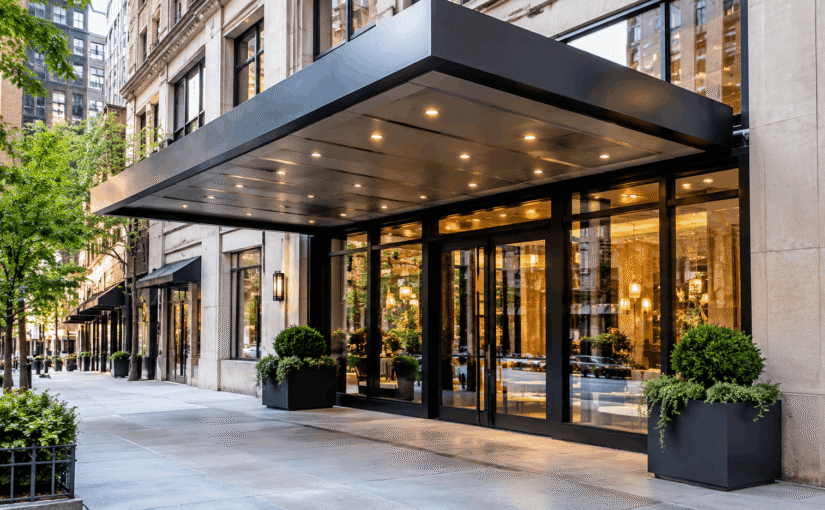
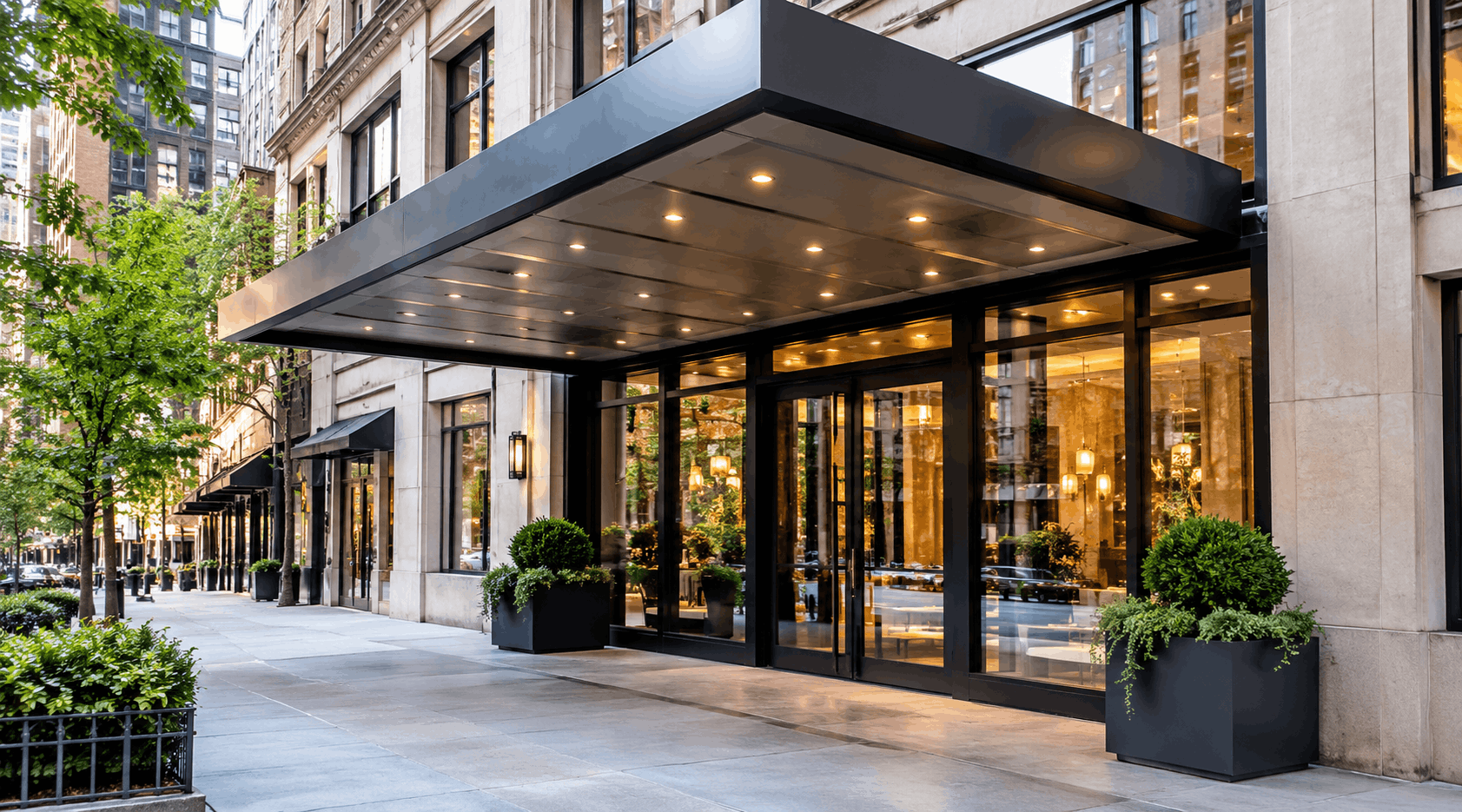
Commercial canopy for a New York business

Take a walk down Steinway Street in Astoria or Court Street in Brooklyn, then think about which shops you remember afterward. Odds are a lot of them have a canopy. That strip of fabric or metal out front shows people where the door is, keeps them dry while they wait, and tells them something about the place before they step inside.

Picking one takes more thought than most owners expect, though. The city has permit rules. The weather swings from sticky July afternoons to February slush. And cheap fabric fades fast once it’s been hanging over a bus stop for a couple of years. Whether you’re opening your first location or finally replacing that tired awning, these are the things to weigh before you sign off on commercial canopies for your New York business.

First, Figure Out the Job It Has to Do

Forget colors for a minute. What do you actually need this thing for?

For a corner coffee shop, the answer might be keeping the 8 a.m. line dry and shading two café tables. A dental office in Midtown probably just wants an entrance patients can spot from the curb. A restaurant in the West Village? Likely both, with lights built in so it still looks inviting at 10 p.m.

Then get practical. Which way does your entrance face? A south-facing storefront gets cooked every summer afternoon. Do people wait outside? Do deliveries come in the front? Write it down, even roughly. Any decent installer is going to ask you all of this anyway.

Talk About Permits Early, Not Later

Plenty of owners find this out the expensive way. In New York City, a canopy or awning that’s attached to the building or hangs over the sidewalk usually needs Department of Buildings approval. Put your name or logo on it and signage rules kick in too, and those depend on your zoning district.

Is your building in a historic district, or a landmark itself? Then the Landmarks Preservation Commission may want a say in the color, the size, the materials, even how the frame is anchored to the facade.

Fire safety is the other piece. Canopy fabric for commercial use in the city generally has to be flame-resistant, and an inspector can ask to see the certificate. Get that paperwork from your supplier before install day.

Rules change, and none of this is legal advice. Honestly, your best bet is an installer who files NYC permits all the time. They’ll know what your job needs, and they can keep you clear of fines for an unpermitted install.

Choose Materials for the Weather You Actually Get

Anything that lives outside in this city takes a beating. Humid summers, sideways rain, the odd nor’easter, snow that hangs around for a week, plus salt spray off the street all winter. Your canopy sits through every bit of it, year after year.

Here’s how the usual options stack up:

Material Best for Things to know
Solution-dyed acrylic Most storefronts Holds color well, breathes, resists mildew; less waterproof than vinyl
Vinyl-coated polyester Restaurants, high-traffic entrances Waterproof and easy to wipe clean; can look a bit glossy
Metal or aluminum Modern or corporate buildings Very durable and low maintenance; higher upfront cost
Glass or polycarbonate Upscale entrances Lets light through and looks sleek; needs a strong frame

Don’t overlook the frame. Powder-coated aluminum or galvanized steel resists rust far better than bare steel. And ask about snow load. A canopy that looks sharp in June isn’t much use if it’s sagging by February.

Match the Style to the Building

There are more styles of commercial canopies than most people realize. The standard slanted awning shows up everywhere because it suits almost any storefront and sheds rain well. Dome and barrel shapes are softer, and they look right on boutiques and older brick buildings. Box or flat-front canopies feel sharper and more modern, with a wide, flat valance that’s great for lettering.

Then there’s the long entrance canopy that runs out toward the curb, the kind you see at hotels, co-ops, and restaurants with a doorman. It’s about as New York as it gets. Because it reaches so far over public space, though, expect extra approvals.

Got outdoor seating? A retractable canopy rolls out when it’s sunny and tucks back in when you want light or a storm’s on the way. Someone has to operate it, and the moving parts need care, so skip it if nobody will be around to manage it.

Before you decide, cross the street and look at your whole facade. The canopy should look like it was always part of the building.

Make It Work for Your Brand

Think about how many people will see your canopy. Folks across the street, anyone snapping a photo of your block, everyone who checks Street View before they visit. For a lot of small businesses, it’s the biggest sign they’ll ever own.

Keep the words short. Your name plus maybe one line, like “Coffee & Bakery” or “Open Late,” reads fine from down the block. Add a phone number, a URL, and five services, and nobody can read any of it.

On color: dark shades hide city grime, while bright ones get noticed but need cleaning more often. Stay close to your brand colors, and ask for a physical sample you can hold up outside in daylight. What you see on a screen rarely matches what you’ll see on the street.

Lighting is worth a thought too. A backlit or downlit canopy keeps you visible after dark and makes the entrance feel safer. Just check whether illuminated signs need their own permit where you are.

Hire Someone Who Knows the City

A great design can still be ruined by a sloppy install. When you talk to canopy companies, ask them straight out:

  • Do you design, build, and install it yourselves, or farm parts of the job out?
  • Have you pulled DOB permits in my borough? What about landmark approvals?
  • Is there a job near me I can go see in person?
  • What does the warranty cover: the fabric, the frame, the labor?
  • Can you clean, repair, or re-cover it later on?

Get a few quotes, but price alone is a bad way to choose. Spend a bit more on a canopy that lasts ten years and you’ll come out ahead of the cheap one you replace in three. A company that knows the permit process can also stop your project from stalling the week before you open.

Before You Sign Off

If you only remember one part of this, make it the order. Work out the job first, deal with permits early, buy materials that can take a New York winter, and hire people who’ve done this plenty of times. Style and color get a lot easier once those are settled.

Done well, your canopy ends up being how regulars describe you to friends: “the place with the green awning on the corner.” That’s worth the extra effort.

Planning commercial canopies for your storefront? Get in touch for a free consultation and we’ll help you work out what suits your building and your budget.

Privacy Window Solutions: What To Consider Before Installation

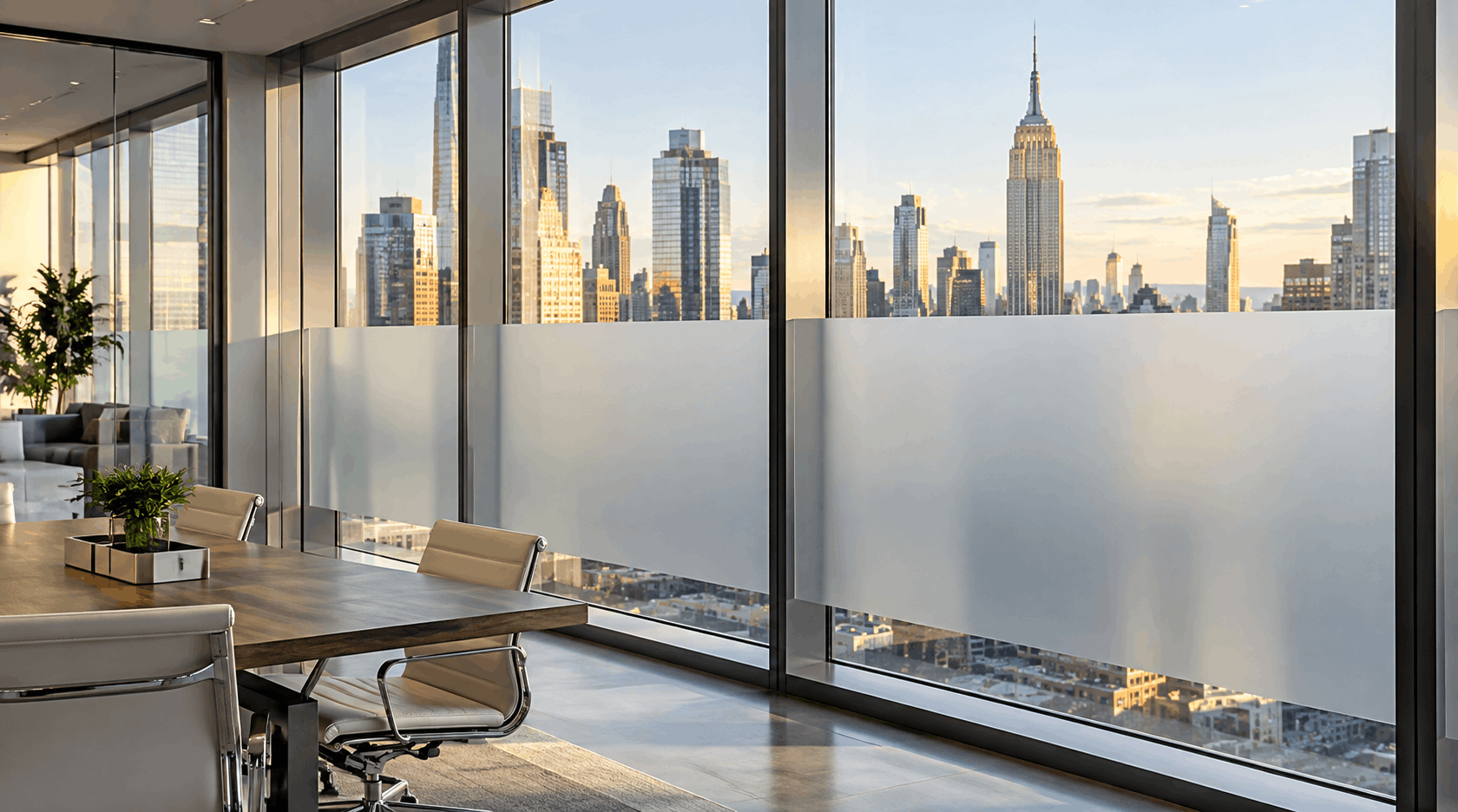
Privacy window solutions for New York buildings

Glass is a common feature in NYC offices, medical practices, hotels, retail spaces and commercial buildings. It helps create an open feel, but it can also expose meeting rooms, work areas and customer-facing spaces to unwanted views. Privacy window solutions can address this without completely blocking natural light or replacing existing glass. Velement offers frosted, decorative and privacy film options designed to improve privacy while also supporting the visual appearance of a space. 

Start With Your Privacy Requirements

Before choosing a film, identify exactly what you need the solution to achieve. Privacy requirements can vary significantly between a conference room and a healthcare facility.

For example, a Manhattan law office may need to obscure confidential meetings, while a hotel may want greater privacy around guest areas. A medical practice could require visual separation around consultation rooms without making the space feel enclosed.

Consider:

Level Of Privacy: Decide whether you need partial screening, full visual obstruction or privacy only at specific viewing angles. 

Location: Identify whether the film will be installed on office partitions, doors, street-facing windows or interior glass. 

Operating Hours: Consider whether privacy is needed throughout the day or mainly during specific activities. 

Light Requirements: Determine how much natural light you want to retain after installation. 


Choose The Right Type Of Film

Different spaces call for different approaches, so avoid selecting a film based only on its appearance. Velement’s window film range includes frosted, decorative and privacy options, allowing businesses to consider both practical and visual requirements. 

Frosted Film

Frosted film creates an opaque or translucent appearance that reduces visibility through glass. It can work well on conference rooms, glass partitions and office doors where you want privacy without completely changing the existing structure.

Decorative Film

Decorative options can introduce patterns, shapes or other visual details while providing a degree of screening. This can be useful for reception areas, retail interiors and hospitality environments where glass needs to contribute to the overall design.

Privacy Film

If visual separation is the main requirement, a dedicated privacy film can be considered for areas where confidential activities take place. Your installer should assess the glass and intended viewing conditions before recommending a suitable specification.

Consider The Design Of Your Space

Privacy does not have to mean covering an entire glass surface. You can use film strategically to create privacy while keeping other sections transparent.

For instance, an NYC corporate office could apply frosting at eye level across a conference room while leaving the upper section clear. A healthcare facility could use a patterned film across consultation-room glass to provide screening while maintaining a brighter environment.

You should also consider whether the film needs to complement existing branding, interior finishes or signage. Velement highlights privacy and decorative films as solutions that can combine functional requirements with visual appeal. 

Assess The Glass Before Installation

The condition and configuration of the existing glass should be checked before installation. This is particularly important in commercial properties where windows may vary in size, type and accessibility.

Your installer should review:

  • Glass Condition: Existing scratches, cracks or damaged areas should be identified before work begins. 
  • Panel Dimensions: Accurate measurements help prevent visible gaps and reduce material waste. 
  • Glass Configuration: Doors, partitions and large window panels may require different installation approaches. 
  • Access: High-level or difficult-to-reach glazing may need additional planning and equipment. 

For occupied NYC buildings, installation planning is also important because work may need to take place around employees, visitors and customers. Velement states that its commercial window film work includes occupied-building and technically complex installations. 

Think About Maintenance And Longevity

Privacy film is a long-term addition to a commercial interior, so consider how it will be cleaned and maintained. High-traffic areas such as entrance doors and corridors may require more frequent attention than a private conference room.

Ask your installer about suitable cleaning methods, expected lifespan and warranty coverage before approving the installation. This gives your facilities or operations team a clearer understanding of ongoing maintenance requirements.

Plan Around Your Business Operations

Installation can be straightforward, but commercial projects still need careful scheduling. If you operate a busy Manhattan office, retail store or medical facility, discuss working hours and access restrictions with the installer in advance.

For multi-floor offices or businesses with several NYC locations, establish a consistent specification for film type, design and positioning. This can help maintain a uniform appearance across different premises. Velement also works on multi-location commercial programmes involving coordinated planning and installation. 

Ask The Right Questions Before Installation

A clear conversation with your installer can prevent costly changes later. Before approving the project, ask:

  • What level of privacy will the selected film provide? 
  • Is the film suitable for the existing glass? 
  • How will the installation affect natural light? 
  • Can the design be customised for different rooms? 
  • What preparation is required before installation? 
  • How should the film be cleaned and maintained? 
  • What warranty applies to the material and installation? 

These questions are especially useful when privacy requirements differ across departments, floors or locations.

Conclusion

Choosing a privacy window solution is mainly about matching the film to the space, privacy requirement and daily use of the building. Consider the glass condition, desired visibility, natural light, design and maintenance requirements before installation rather than selecting a product based on appearance alone.

For NYC businesses, careful planning also helps minimise disruption during installation. Velement provides frosted, decorative and privacy film solutions and can assess the requirements of commercial spaces before installation. 

Frequently Asked Questions (FAQ’s):

1. Is Privacy Window Film Suitable For Office Glass?

Yes. Privacy film can be used on glass partitions, doors and meeting rooms to reduce visibility while retaining the benefits of glass. The appropriate film depends on the required level of privacy and the characteristics of the glass.

2. Can Privacy Film Still Allow Natural Light?

Many privacy films can reduce visibility without completely blocking natural light. However, the amount of light retained depends on the film’s opacity, design and application.

3. Can Film Be Used On Glass Doors?

Yes. Glass doors can be fitted with privacy or frosted film. The design should account for handles, edges and areas that need to remain visible for safe movement through the space.

4. Is Privacy Film Only For Offices?

No. It can also be considered for healthcare facilities, hotels, retail spaces, educational institutions and other commercial environments where visual privacy is required. Velement specifically presents privacy film as an option for commercial and interior applications. 

5. How Do You Choose Privacy Window Film In NYC?

Start by assessing where privacy is needed, how much visibility should be reduced and how much natural light you want to retain. A professional site assessment can then help determine the appropriate film, coverage and installation approach for the space.

How Vinyl Signs Can Help Businesses Attract More Customers

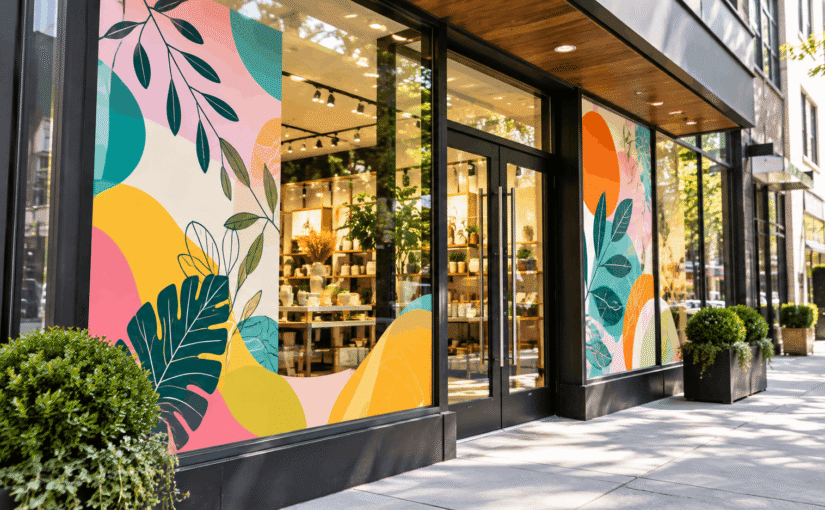
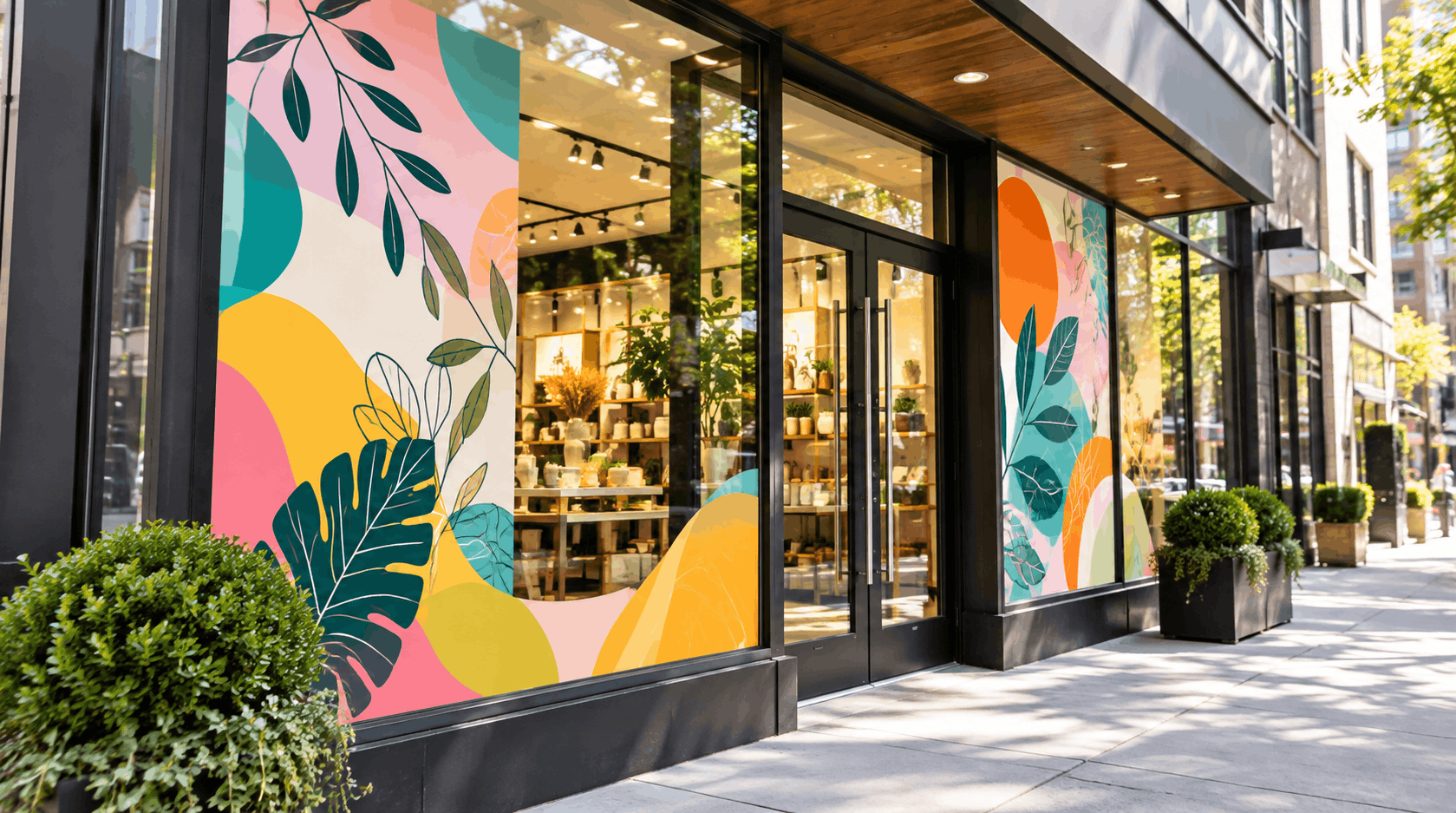
How Vinyl Signs Attract More Customers

For a New York City business, your storefront has only a few seconds to catch the attention of people walking or driving past. Clear window graphics, promotional messages and branded lettering can help your location stand out without requiring a large structural sign. Vinyl signage offers a flexible way to use windows, doors and other suitable surfaces to communicate what your business offers while keeping your branding consistent.

Turn Your Storefront Into A Marketing Space

Your storefront is more than an entrance. It is an opportunity to tell potential customers what they can expect before they walk inside. Well-planned vinyl graphics can display your business name, opening hours, services, promotions or selected products in a format that is easy to see from the street.

This can be particularly useful in busy New York neighbourhoods where pedestrians pass multiple businesses within a short distance. A café in Manhattan, for example, could use window graphics to highlight its breakfast menu, while a boutique in Brooklyn could use its front windows to promote a seasonal collection.

The key is to keep the message focused. Too much text or too many visual elements can make the storefront difficult to understand at a glance.

Make Your Brand Easier To Recognise

Consistent visual branding can help customers recognise your business across different physical touchpoints. Vinyl graphics can incorporate your logo, brand colours, typography and other visual elements across suitable surfaces.

For example, a multi-location retailer could use the same window treatment across its New York stores. A restaurant could carry its logo from the main storefront to entrance doors and selected interior areas. This creates a more consistent experience without requiring every surface to use the same type of signage.

Businesses can also use Vinyl Business Signs to communicate specific messages while maintaining their existing brand identity. The design should complement the building and surrounding streetscape rather than compete with them.

Promote Offers Without Changing Your Main Sign

Businesses often need to update promotional messages throughout the year. A permanent exterior sign may not be practical for every short-term campaign, but vinyl graphics can provide another way to use available storefront space.

Consider a New York clothing shop promoting a seasonal sale. Instead of replacing its primary business sign, the shop could use a window graphic to communicate the offer. Similarly, a restaurant could highlight a limited-time menu or a new takeaway service.

This approach can make your storefront more adaptable. When the promotion ends, the relevant graphic can be replaced while the core branding remains unchanged.

Use Windows To Reach People Outside

Windows can provide valuable communication space, particularly for businesses located on pedestrian-heavy streets. Window graphics can introduce your business to people who may not have noticed the main sign.

Velement’s NYC display offering includes vinyl and vinyl graphics among its signage and print capabilities, as well as window graphics and other display solutions.

You can use window graphics for purposes such as:

Brand Visibility: Display your logo and core visual identity where pedestrians can easily see them.

Product Promotion: Highlight selected products, services or seasonal offers without covering the entire storefront.

Customer Information: Communicate opening hours, services or other useful information before customers enter.

Privacy And Design: Combine branding with decorative treatments where appropriate to improve the appearance or privacy of selected areas.

Consider Visibility From Different Distances

A vinyl sign should work for people approaching your business from different directions. A message that looks clear up close may not be readable from across the street.

Think about the viewing distance, pedestrian movement and surrounding visual clutter before finalising the design. Large, simple lettering is generally easier to process quickly than a paragraph of information.

You should also consider how the design works during different lighting conditions. A storefront that looks clear during the day may need different contrast or positioning to remain effective in the evening.

Check New York City Sign Requirements

Before installing any signage, check the requirements that apply to your property. New York City regulates business signs through its Construction Codes and Zoning Resolution, including aspects such as size, location and installation. Most business signs require a permit, although certain exceptions apply.

If your business is in a designated historic building or district, additional Landmarks Preservation Commission requirements may apply. The LPC notes that vinyl signage can be permitted directly on storefront glazing when applicable requirements are met.

Checking these requirements before production can help you avoid costly changes later.

Plan Vinyl Signage Around Your Customer Journey

Effective storefront signage should support the steps customers take from noticing your business to entering it. Start by deciding what you want someone to understand first, then build the design around that message.

For a New York retailer, this might mean showing the brand name first, followed by a short description or current offer. For a restaurant, the priority could be the name, cuisine and opening information. For a professional office, clear identification and entrance information may be more useful than promotional messaging.

The strongest results come from treating vinyl graphics as part of the wider storefront design rather than adding them as an afterthought.

Conclusion

Vinyl signage can give New York businesses a practical way to improve storefront visibility, communicate timely information and reinforce their branding. From retail windows and restaurant entrances to office doors and promotional displays, the right application can make otherwise unused surfaces work harder.

Before choosing a design, consider your location, audience, viewing distance and the message you need to communicate. You should also confirm the signage requirements that apply to your property so your finished installation is both useful and appropriate for its setting.

Frequently Asked Questions (FAQ’S):

1. Are Vinyl Signs Suitable For New York City Storefronts?

Yes. Vinyl graphics can be applied to suitable windows, doors and other surfaces to communicate branding, promotions or customer information. Their suitability depends on the surface, design and applicable local requirements.

2. Can Vinyl Signs Be Used For Temporary Promotions?

Yes. Vinyl graphics can be used for seasonal campaigns, special offers, new product announcements and other temporary messages. This allows you to update selected storefront areas without replacing your primary business signage.

3. Do Vinyl Signs Require A Permit In New York City?

Some business signs require permits in New York City, although exceptions apply depending on factors such as the sign type, size and location. You should check the requirements that apply to your specific property before installation.

4. Can Vinyl Signs Improve Storefront Branding?

They can help reinforce your visual identity by displaying elements such as your logo, brand colours, typography and promotional messaging. Using consistent designs across storefront windows and other customer-facing areas can create a more recognisable business presence.

5. Where Can Businesses Use Vinyl Signage?

Depending on the application, vinyl graphics can be used on storefront windows, entrance doors, interior surfaces and other suitable areas. Your choice should consider visibility, the surface material and the purpose of the message.

ADA Sign Requirements for Businesses in New York: What You Need to Know

ADA signage requirements for businesses in New York

A restaurant owner in Brooklyn is getting ready to open a second location. The menu is set, the kitchen is staffed, and the dining room looks great. Then the general contractor asks a simple question: “Do you have your restroom and room ID signs ordered yet – the ADA ones?” It’s a detail that’s easy to overlook until someone brings it up, and by then it’s often later in the build-out than it should be.

Accessible signage isn’t just a symbol stuck near a door. It involves specific requirements for how certain signs are designed, produced, and installed so that people who are blind or have low vision can identify and navigate a space. Before designing or ordering signage for a new location, renovation, or existing building, it helps to understand what ADA signage actually covers – and where the requirements come from.

What Is ADA Signage?

ADA signage refers to signs that meet the accessibility requirements set out in the Americans with Disabilities Act and, more specifically, the 2010 ADA Standards for Accessible Design published by the U.S. Department of Justice. These standards describe how certain signs need to be designed so people with visual disabilities can read and use them – through features like raised characters, Braille, specific character proportions, and non-glare finishes.

Not every sign in a building falls under these requirements. A large exterior storefront sign, for example, is treated very differently than a small sign identifying a permanent restroom or office. Understanding which category a given sign falls into is really the first question to answer.

Which Signs Typically Need to Follow ADA Requirements?

Under the ADA Standards, signs that identify permanent rooms and spaces – think restrooms, exit stairs, room numbers, or “Employees Only” doors – generally need to meet the technical requirements for accessible signage. These are signs that aren’t expected to change often and that someone needs to be able to locate and read independently.

Signs that change frequently, like a directory listing current tenants or a menu board, are typically treated differently under the standards, since the requirement is tied to whether the sign identifies a permanent space. A retail store’s window lettering with its business name is a different category from the restroom sign inside that same store. A medical office’s exterior identification sign is different from the sign labeling an exam room door. The distinction matters because it affects what design and production requirements actually apply.

Key Features of ADA-Compliant Signs

For signs that fall under the accessibility requirements, the ADA Standards get fairly specific. Characters generally need to be raised and accompanied by Grade 2 Braille, with the raised text and Braille following defined proportions for character height, stroke width, and spacing. Typeface matters too – the standards call for simple, easily readable characters rather than decorative or unusual fonts, since ornate lettering can be difficult for a hand to read by touch or for a low-vision reader to distinguish visually.

Contrast is another core requirement. Characters need to contrast clearly with their background, whether that’s light letters on a dark background or dark letters on a light one, and the standards call for a non-glare finish so that lighting and reflections don’t interfere with legibility.

Because these specifications are detailed and depend on the exact application, business owners shouldn’t estimate them casually. A signage provider familiar with the current ADA Standards should be producing these signs to the correct dimensions rather than relying on a rough approximation.

Where Should ADA Signs Be Installed?

Placement is just as regulated as design. Signs identifying permanent rooms are generally required to be mounted on the wall adjacent to the latch side of the door, at a specified height range and with clearance so someone can approach and read the sign without the door swinging into them.

Not every doorway needs one of these signs – it depends on whether the space behind that door is a permanent room the standards are meant to cover. A supply closet used only by staff is a different situation than a public restroom. Because placement rules are tied to the applicable standard for that particular sign type, this is an area where it’s worth double-checking details rather than assuming one placement rule applies everywhere in a building.

ADA Signage vs. Regular Business Signs

It’s worth separating two things that sometimes get lumped together: branding signage and accessibility signage. A storefront sign, an illuminated logo, or window graphics exist primarily to identify the business and support its brand. An ADA sign exists to identify a permanent space and meet specific accessibility standards for raised characters, Braille, and mounting.

A business can – and generally should – have both. A well-branded storefront doesn’t conflict with a code-compliant restroom sign inside. They’re simply doing different jobs, and a good signage plan accounts for both without treating one as more important than the other.

Do New York Businesses Have Additional Requirements?

Federal ADA requirements apply nationwide, but businesses in New York should also be aware that state and local building codes can include their own accessibility provisions, which may work alongside federal requirements rather than replace them. New York State’s building code and, separately, New York City’s building code and local rules can affect construction and renovation projects, including aspects tied to accessible design.

It’s also worth being clear that New York City and New York State aren’t interchangeable when it comes to local requirements – a business operating in Manhattan may be subject to New York City–specific building and accessibility provisions that wouldn’t necessarily apply the same way to a business elsewhere in the state. Because these requirements can vary by municipality, building type, occupancy, and whether a project involves new construction or an alteration, this is genuinely an area where checking with your architect, contractor, or local building department is worthwhile before finalizing a signage plan. This article isn’t a substitute for that kind of project-specific review.

Common ADA Signage Mistakes Businesses Should Avoid

A few mistakes show up repeatedly on commercial projects. One is assuming every sign in a building needs to meet the same accessibility requirements, when in fact the requirement depends on what the sign identifies. Another is using standard printed vinyl or painted text where raised characters and Braille are actually required – it looks fine, but it doesn’t meet the standard.

Poor contrast is a common issue too, especially with trendy color combinations that look good but don’t provide enough contrast between characters and background. Incorrect mounting height or placement on the wrong side of a door is another one. So is choosing a glossy or reflective finish that creates glare under certain lighting. And simply adding the international symbol of accessibility to a sign doesn’t automatically make that sign compliant – the underlying design and production still need to meet the applicable requirements.

How to Choose an ADA Signage Provider

Choosing a provider for ADA signage comes down to a few practical things. Does the company understand the current accessibility requirements well enough to get character proportions, Braille placement, and contrast right without guesswork? Have they produced this type of signage for commercial projects before, not just decorative or brand signage?

Material and production quality matter, since raised characters and Braille need to be durable and accurately formed, not just visually close. Mounting and placement experience matters too, particularly on renovation projects where there might be limited wall space near a doorway. And because ADA signage is often just one part of a larger build-out or renovation, it helps to work with a provider who can coordinate with your contractor, architect, or property manager rather than working in isolation.

Planning ADA Signage for a New Business or Renovation

If you’re opening a new location, renovating an office, or remodeling a storefront, it’s worth bringing ADA signage into the conversation early – ideally at the same time you’re finalizing floor plans and door locations, not after the walls are already painted. Waiting until the end of a project often means rushed decisions, and rushed decisions are how compliance details get missed.

Talking to your architect or contractor about which spaces will need accessible signage, and getting your signage provider involved while the project is still in progress, tends to produce a better result than treating signage as a last-minute item on the punch list.

Final Thoughts

Accessible signage is a specific, technical part of running a commercial space, not an afterthought to add once everything else is finished. The requirements depend on the type of sign, the space it identifies, and the state and local rules that apply to your particular building – so it’s worth confirming project-specific details with the applicable regulations and, when needed, a qualified professional. Velement Worldwide works with New York businesses and property managers on ADA signage, and is available to talk through what a specific project might need.

How Professional Business Signs Can Strengthen Your Brand in New York

Professional business signs strengthening brand visibility in New York

Picture two coffee shops on the same block in Astoria. Both roast decent coffee, both have friendly staff, and both charge about the same for a latte. But one has a hand-painted banner taped in the window and a sandwich board that’s been knocked over by the wind twice this month. The other has a clean, illuminated sign with clear lettering and a logo that matches its cups, its menu, and its Instagram page. Which one do you think gets remembered after a first visit?

Most customers meet a business visually long before they meet an employee or read a review. Your sign is often that first meeting point – and for a lot of businesses, it ends up doing more branding work than anything else they own. Once you start thinking of signage as part of the brand itself, rather than a separate purchase you make after the branding is “done,” the whole approach changes.

Your Sign Is Part of Your Brand Identity

A sign isn’t just a label that tells people your business name. It communicates your visual style, your personality, and how seriously you take your own presentation. A law office with a simple brushed-metal sign is saying something different than a bakery with hand-lettered script in warm colors –  even if neither one uses a single word to describe itself.

The mistake some business owners make is treating signage as an afterthought once the logo, website, and interior design are already finished. When that happens, the sign often looks disconnected – different fonts, different colors, a slightly “off” version of the brand. A sign works best when it’s built using the same visual language as everything else: the same typography, the same color palette, the same overall tone. It shouldn’t feel like a separate decision. It should feel like the same decision, applied outdoors.

Professional Signs Make a Business Easier to Recognize

Recognition builds through repetition. If a customer sees the same logo, the same color, and the same lettering style on your storefront, your window, your receipts, and your interior wall, that consistency starts doing quiet work in the background. They don’t have to think hard to know they’re in the right place.

Take a small physical therapy practice in a Midtown office building. The building lobby has a dozen suite numbers and almost no personality. A well-designed directory sign and a matching sign on the suite door – same font, same color scheme as the practice’s website  makes it obvious to a nervous first-time patient that they’ve found the right office, without needing to double-check a phone screen. That’s a small thing, but it removes friction, and removing friction is a big part of what good branding actually does.

The Right Design Can Communicate What Your Business Does

Even without reading every word, people pick up cues from typography, color, and material. Bold, sturdy lettering on brushed metal reads differently than delicate script on wood. A dental office with clean sans-serif type and a soft blue palette signals something calm and clinical. A barbershop with a bold, vintage-style sign in black and gold signals something entirely different – and both are doing their job correctly, just for different audiences.

Symbols and materials matter too. A real estate office might use dimensional lettering in brushed brass to suggest permanence and trust. A juice bar might lean into bright acrylic and rounded lettering to feel fresh and approachable. None of this needs to be complicated, but it does need to be intentional.

Storefront Signs Help Create a Strong First Impression

It’s not enough for a sign to look good on a design mockup. It has to actually work on the building it’s mounted to, in the conditions people will really see it in. A sign that reads perfectly on a laptop screen might be unreadable from across a busy avenue.

That means thinking through the specifics: How wide is the sidewalk, and how far away will most people be standing when they first spot the sign? Is the storefront on a corner with sightlines from two directions, or tucked mid-block where pedestrians only see it from one angle? Are neighboring storefronts loud and colorful, which might mean your sign needs stronger contrast to hold its own, or relatively quiet, which gives you more room to be understated?

Daytime and nighttime visibility are two different problems. A sign that looks sharp in afternoon sun can disappear after dark without the right lighting or reflective properties. Illuminated signs solve this, but only when they’re sized and placed correctly for the building – too small and they get lost, too bright and they clash with the rest of the block.

Interior Signs Can Extend Your Brand Beyond the Entrance

The branding doesn’t have to stop at the front door. Reception signs, wall lettering, directional signage, and branded graphics all extend the same visual identity into the space where customers actually spend their time.

A law firm’s waiting area might use dimensional letters mounted behind the reception desk – a small detail, but one that reinforces credibility the moment a client sits down. A restaurant might use a mix of window graphics and interior wall art that carries the same color story as its exterior sign, so the transition from sidewalk to dining room feels seamless rather than jarring. A medical office might rely on simple directional signage to guide patients between departments, using the same fonts and colors throughout so nothing feels like it was added as an afterthought.

Custom Signage Can Give Different Business Locations a Consistent Look

Businesses with more than one location in New York — say, a gym with a spot in Brooklyn and another in Queens – face a specific challenge: how do you keep the brand recognizable when every building is different?

The answer usually isn’t identical signs everywhere. It’s a consistent system. Same typography, same colors, same logo treatment, same general materials – but adapted to fit each building’s size, shape, and zoning constraints. One location might call for illuminated channel letters on a brick façade; another might need window graphics because the storefront has limited mounting space. The signs won’t be identical, but they’ll clearly belong to the same brand.

Materials and Finishes Affect How Your Brand Is Perceived

Materials carry their own message, whether or not that’s intentional. Dimensional letters in brushed metal tend to read as established and professional. Acrylic can feel modern and clean, especially with backlighting. Vinyl graphics are practical and cost-effective for windows or temporary promotions. Illuminated or backlit signs add visibility after dark and can make a storefront feel more active in the evening.

None of these materials is objectively “better.” The right choice depends on your business type, your building, your budget, and the impression you’re trying to create. A high-end boutique and a neighborhood hardware store might both use dimensional lettering, but the finish, scale, and lighting will look completely different – and that’s exactly how it should be.

Good Signage Balances Branding With Practical Visibility

A sign can be beautifully designed and still fail if nobody can read it from the sidewalk. Contrast matters – light letters on a dark background, or vice versa, read faster than similar tones next to each other. Letter size needs to match viewing distance; a sign meant to be read from fifty feet away needs noticeably larger type than one mounted right at eye level near an entrance.

Lighting conditions change throughout the day, and surrounding visual clutter – awnings, other signs, scaffolding – can compete for attention. A good sign accounts for all of it, not just the brand colors and logo placement.

How to Choose a Custom Signage Company in New York

Finding the right custom signage company usually comes down to a few practical factors. Design capability matters – can they translate your existing brand into a sign that actually works on your building, not just on paper? Range of experience matters too, since a business that only handles small vinyl graphics may not be the right fit for a large illuminated storefront sign, and vice versa.

It’s also worth asking about material knowledge and production quality. A custom signage company that understands how different materials hold up outdoors, or how lighting behaves at night, will steer you away from choices that look good in a rendering but perform poorly in real conditions. Installation experience is just as important – commercial installation in New York often involves navigating building management, permits, and tight physical spaces, and a signage provider who’s done it before will make the process considerably smoother.

Finally, pay attention to communication. A custom signage company that asks good questions about your brand, your building, and your goals – rather than just quoting a price – is usually the one that ends up delivering a sign that actually fits.

Building a More Consistent Brand Through Signage

When exterior signs, interior signage, window graphics, and dimensional lettering are all designed with the same visual logic, they stop feeling like separate purchases and start functioning as one system. A customer walking past your storefront, stepping inside, and glancing at your reception area should feel like they’re moving through one continuous brand experience, not three different design decisions made at three different times.

That consistency is what makes a business memorable in a city where people pass hundreds of storefronts a day.

Signage does more than mark a location – it shapes how people recognize, remember, and judge a business before they ever step inside. Done well, it supports everything else you’re already doing to build your brand, from your website to your interior design. Velement Worldwide works with New York businesses on custom signage, from storefront and illuminated signs to interior branding and dimensional lettering, and is glad to talk through what would actually make sense for your space.

Frequently Asked Questions About Business Signs in New York

How can professional business signs strengthen a brand in New York?

Professional business signs can improve brand recognition, create a strong first impression, and make a business easier to identify. Consistent colors, typography, logos, and materials can also help reinforce the same brand identity across storefronts, interiors, and other marketing channels.

What types of business signs can help improve brand visibility?

Storefront signs, illuminated signs, dimensional lettering, window graphics, wall signs, and interior signs can all improve brand visibility. The right option depends on your location, viewing distance, business type, branding, and visibility requirements.

Why is consistent signage important for businesses with multiple locations?

Consistent signage helps customers recognize the same brand across different locations. Businesses can maintain the same logo, colors, typography, and design style while adapting the sign’s size, materials, and installation to suit each New York property.

How do I choose the right materials for my business sign?

The best material depends on factors such as your brand style, budget, location, weather exposure, maintenance needs, and whether the sign needs to be visible at night. Common options include acrylic, metal, vinyl, dimensional letters, and illuminated signage.

What should I look for in a custom signage company in New York?

Look for a custom signage company with experience in design, material selection, fabrication, installation, and commercial signage requirements. It is also helpful to choose a provider that understands your brand and can create signage that works well with your building and location.